Judge Reveals SHOCKING Details In Trump Admin’s ‘Unlawful’ Takeover of Peace Group
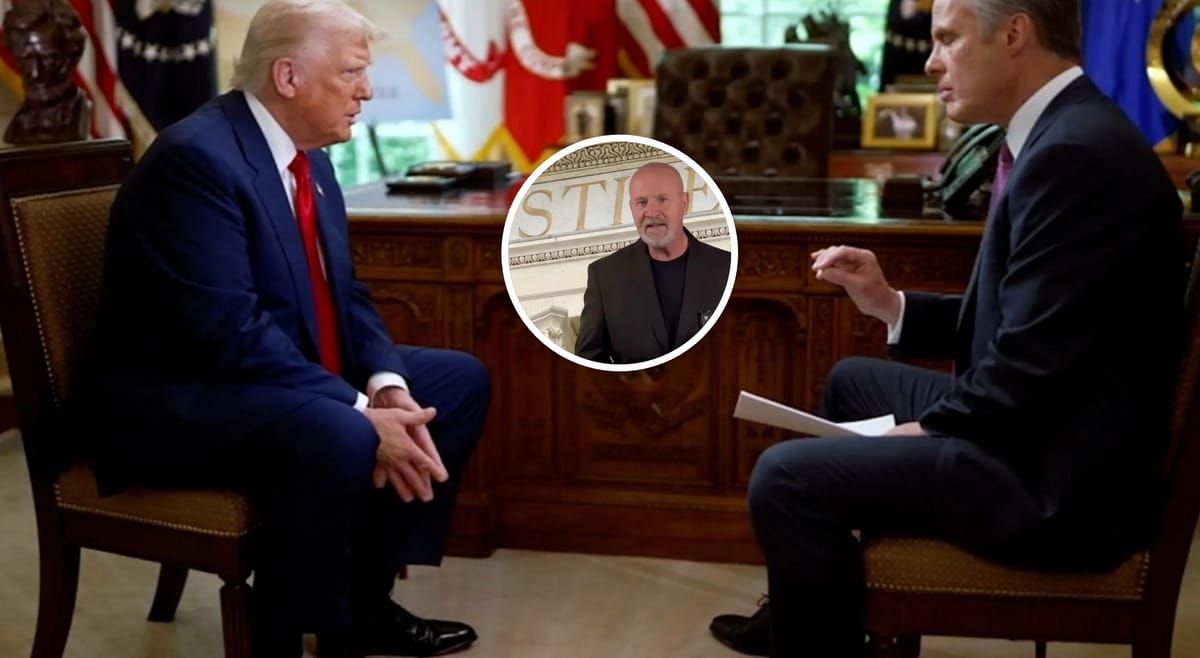
A major court battle has erupted over the Trump administration’s efforts to reshape Washington.
It concerns a unique organization and the limits of presidential power.
Bold Moves for Efficiency Spark Legal Challenge
The Trump administration, spearheaded by the Department of Government Efficiency (DOGE), launched an ambitious initiative to streamline federal operations.
This included scrutinizing various agencies and entities across government.
The goal, administration officials stated, was to ensure taxpayer money was being used effectively and reduce what they saw as unnecessary bureaucracy.
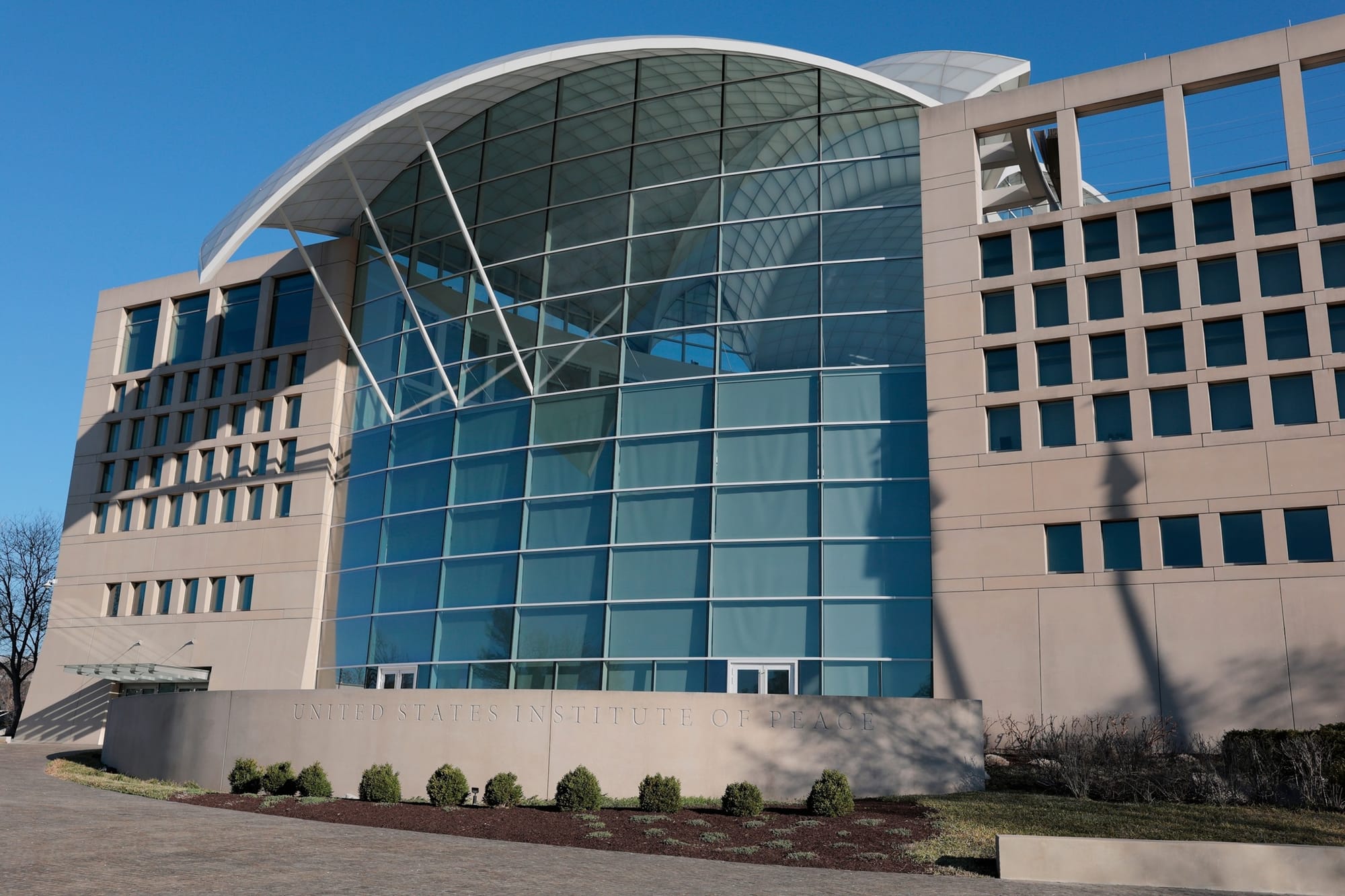
Among the entities drawing attention was the U.S. Institute of Peace (USIP).
USIP is an independent nonprofit organization established by Congress, focused on conflict resolution and prevention.
The administration’s approach aimed to exert greater executive oversight or significantly alter its structure and staffing.
Dispute Over Independence vs. Executive Authority
The administration’s actions, including personnel changes and attempts to integrate USIP more closely with executive branch functions, were met with resistance.
Former board members and leadership at USIP argued the organization’s congressional charter grants it independent status.
They contended that the administration’s moves overstepped constitutional boundaries and violated the law governing USIP’s operation.
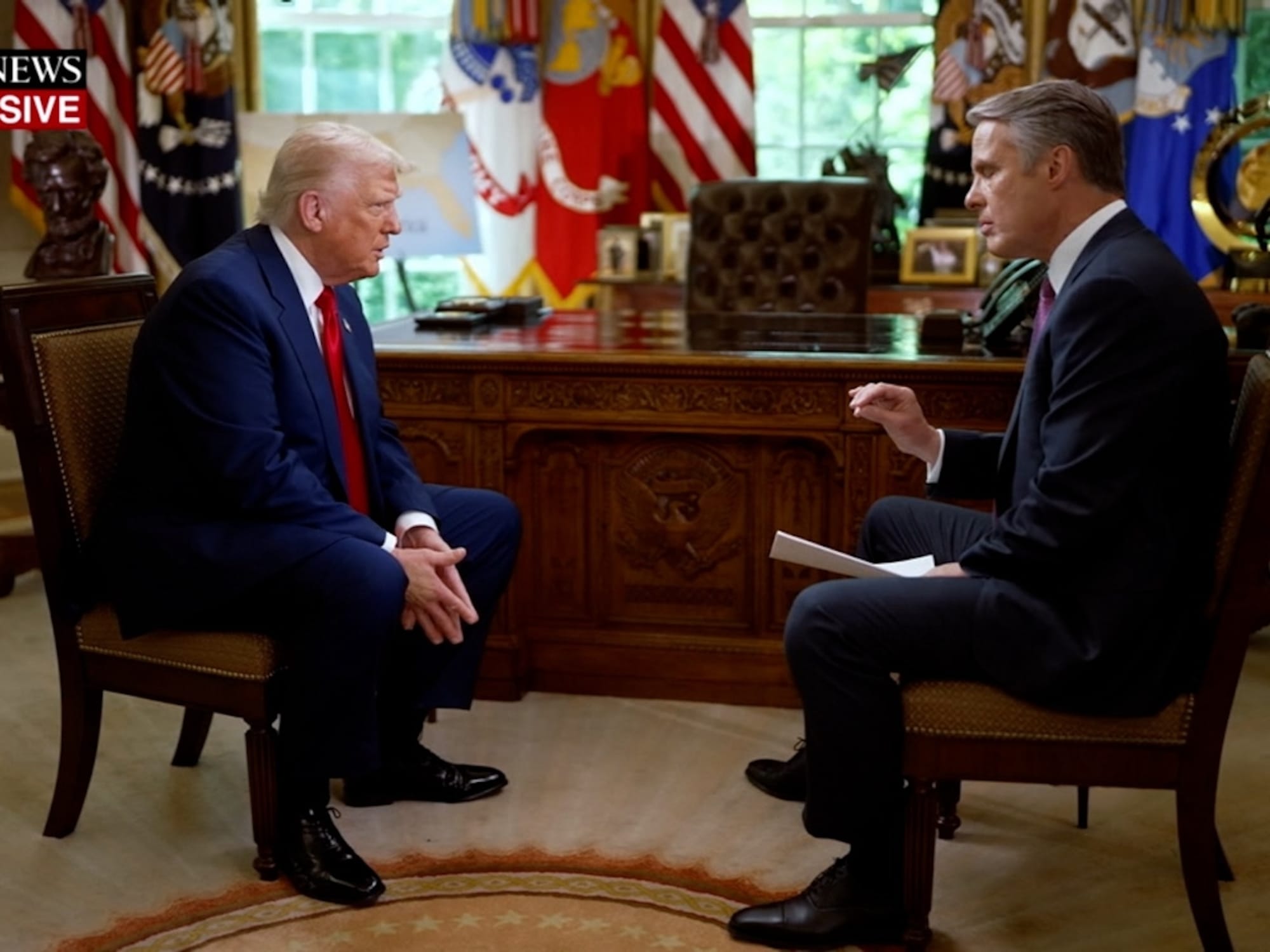
This fundamental disagreement centered on the scope of the President’s authority to direct or dismantle congressionally established entities that operate outside the typical executive department structure.
Escalation Leads to Courtroom Showdown
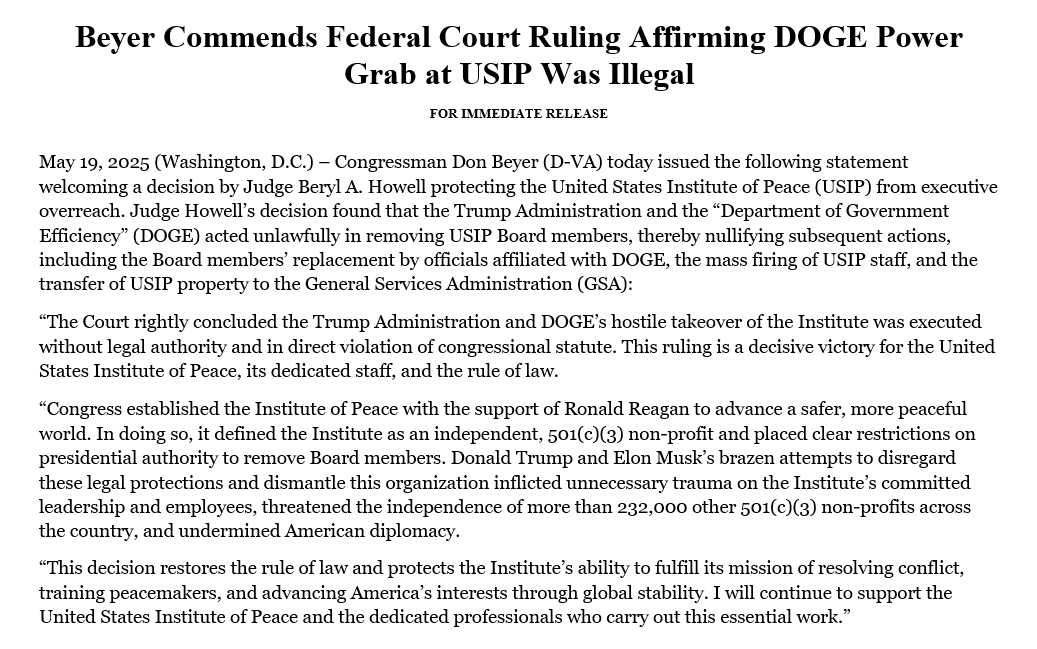
The dispute escalated when individuals associated with the DOGE initiative reportedly took physical control of USIP’s headquarters in Washington, D.C.
This prompted USIP’s former leadership to file a lawsuit seeking to halt the administration’s actions and clarify the organization’s legal status.
The lawsuit detailed a series of tense interactions and demands made by administration and DOGE representatives.
These actions, the plaintiffs argued, amounted to an illegal takeover of an independent body.
Behind-the-Scenes Pressures Alleged
Court documents reveal claims of significant pressure exerted during the attempted reorganization.
This included allegations of federal agents visiting the homes of USIP officials.
There were also reported threats of investigation against anyone hindering access to USIP property.
These details emerged as the judge reviewed the methods employed by the administration’s initiative.
The Judge’s Ruling Rocks Reform Efforts
In a significant development, a federal judge issued a ruling siding with the plaintiffs from USIP.
U.S. District Judge Beryl Howell determined that the Trump administration’s actions towards USIP were, in her legal interpretation, not in compliance with the law establishing the organization.
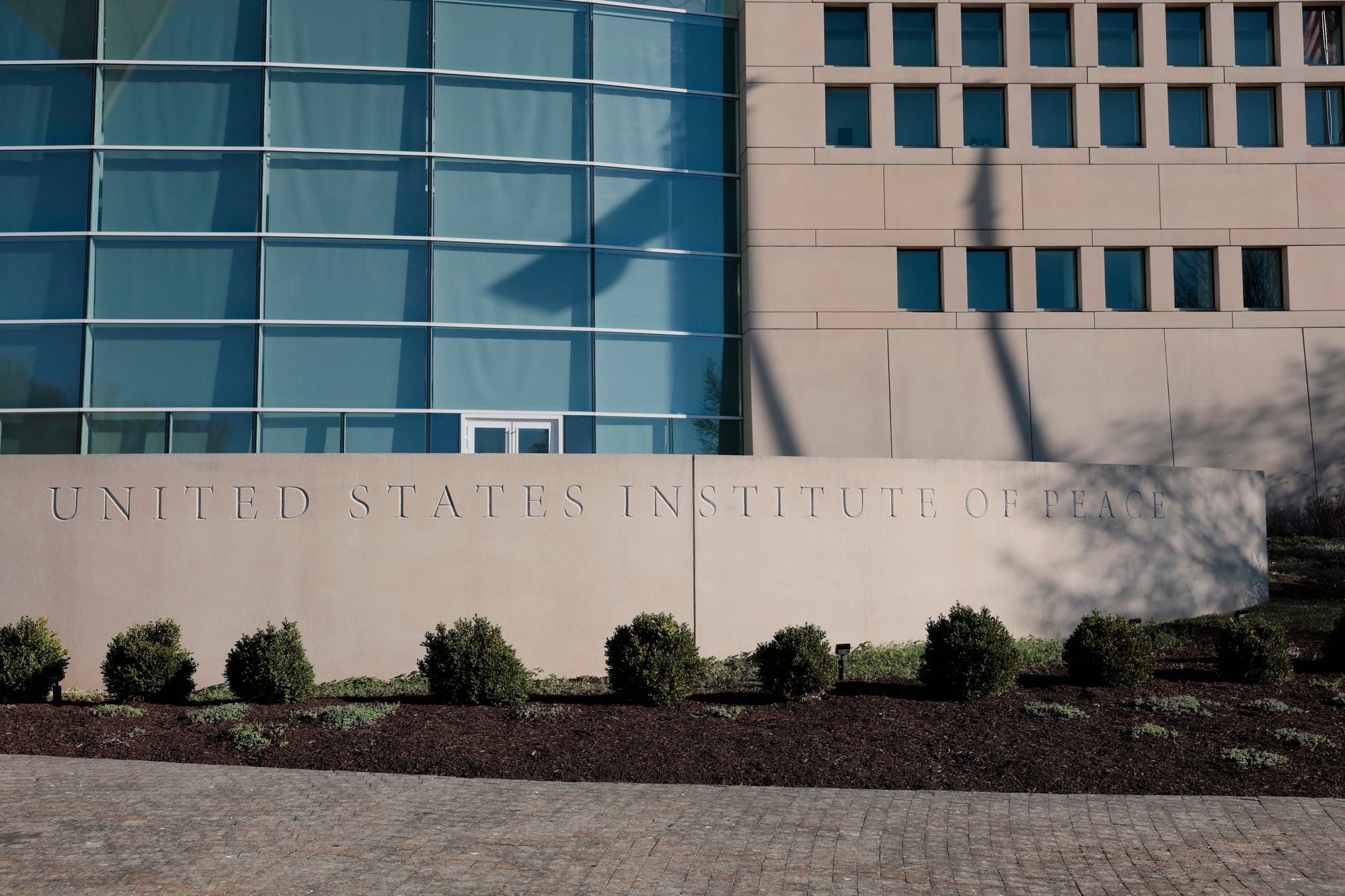
She ruled that the administration’s takeover efforts, including removing leadership and staff, were “null and void.”
The judge’s lengthy ruling highlighted her view that the administration did not demonstrate the legal authority to take such sweeping actions against the independent entity.
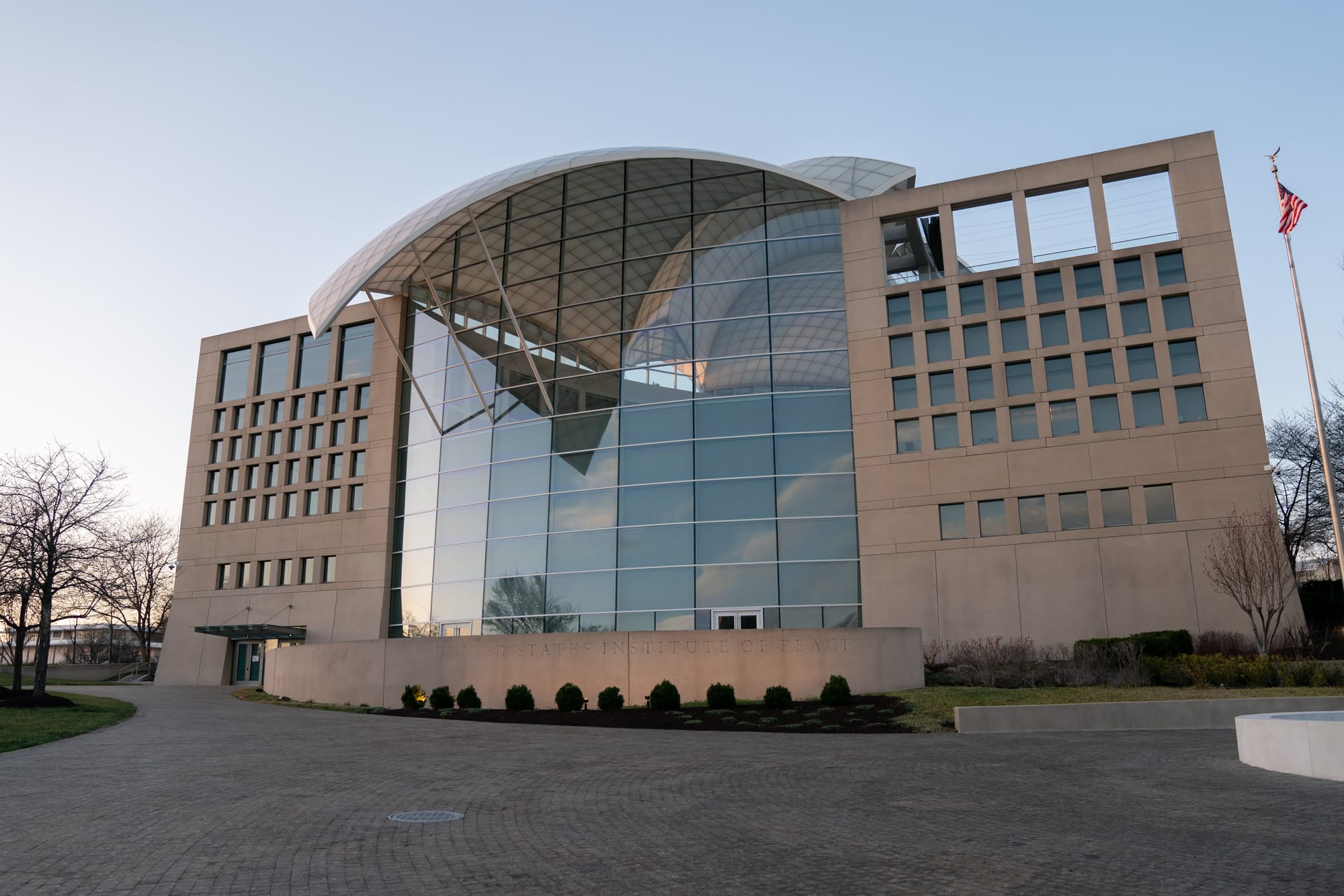
The ruling specifically blocked the administration from proceeding with its planned restructuring of USIP using the methods previously attempted.
What Happens Next
This ruling represents a legal hurdle for the administration’s broad government efficiency initiative as it pertains to entities with unique legal structures.
The Trump administration is expected to appeal the decision, indicating the legal battle over the scope of executive authority and the status of independent organizations is likely far from over.