Judge accused Trump of having discriminatory intent toward Venezuelans but Supreme Court might overrule
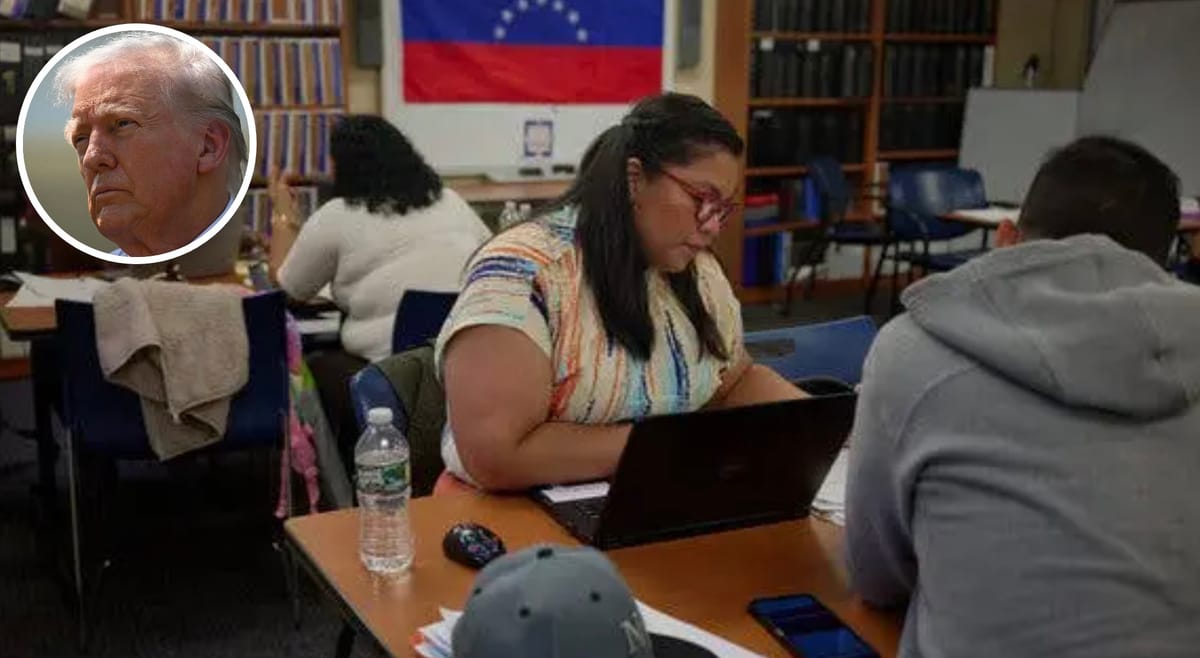
A dramatic showdown over the fate of 350,000 Venezuelans has erupted between a federal judge and the Trump administration.
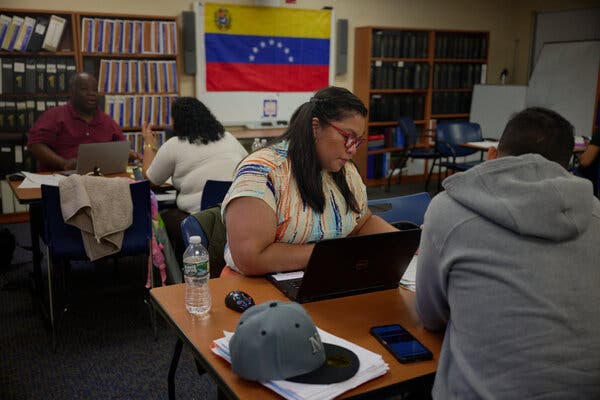
Protection Status in Jeopardy
The Trump administration has asked the Supreme Court to step in and allow the government to end Temporary Protected Status (TPS) for hundreds of thousands of Venezuelan nationals currently living in the United States.
This legal maneuver comes after U.S. District Judge Edward Chen blocked the administration’s attempt to terminate these protections in March.
If successful, the administration’s request would clear the way for potential deportation of approximately 350,000 Venezuelans who have been residing legally in America.
What’s at Stake
The TPS program allows foreign nationals to legally live and work in the United States if they cannot safely return to their home countries due to extraordinary circumstances like natural disasters or armed conflict.
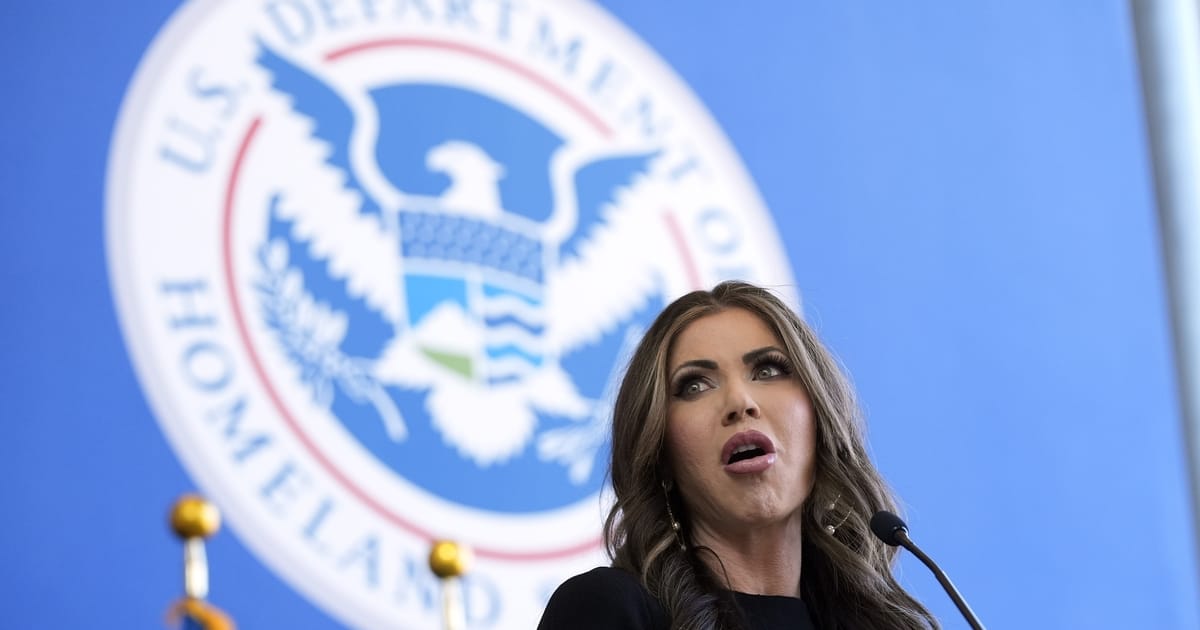
Homeland Security Secretary Kristi Noem terminated the program for Venezuelans on February 1st, arguing conditions had improved enough in Venezuela to warrant ending these special protections.
This decision would have taken effect in April, effectively ending legal status for these individuals.
The Legal Battle Intensifies
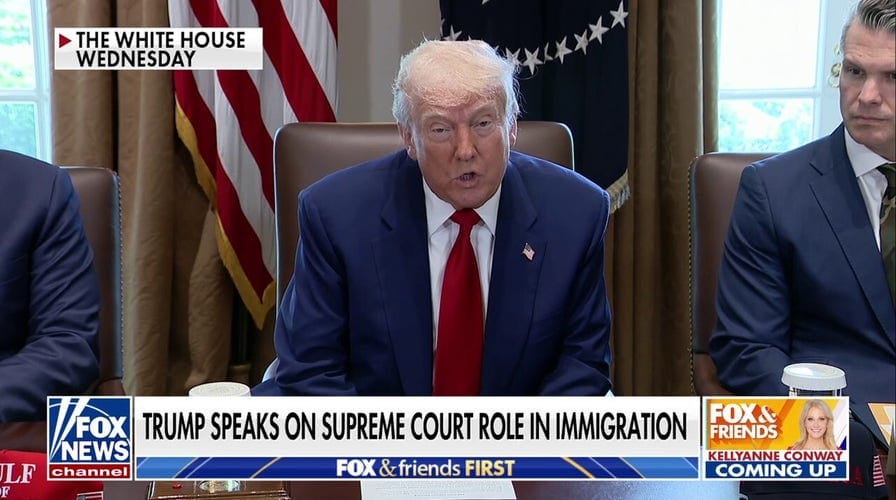
U.S. Solicitor General John Sauer has forcefully argued that Judge Chen overstepped his authority by interfering with executive branch powers over immigration policy.
“The district court’s reasoning is untenable,” Sauer told the high court, adding that the program “implicates particularly discretionary, sensitive, and foreign-policy-laden judgments of the Executive Branch regarding immigration policy.”
The administration contends that Congress specifically intended to limit judicial review of these types of executive decisions.
The National TPS Alliance filed the emergency lawsuit that led to Judge Chen’s ruling postponing the termination.
The Discrimination Accusation
In his ruling, Judge Chen made a serious allegation that has become central to this high-stakes legal battle.
The judge suggested that the Trump administration’s decision to end TPS protections may have been “predicated on negative stereotypes” about Venezuelan migrants.
This accusation of potential discriminatory intent has become a flashpoint in the case.
The administration has vehemently denied these allegations, with Solicitor General Sauer arguing that Judge Chen’s characterization was based on “cherry picked” statements that were “wrongly portrayed” as racially motivated.
The Supreme Court’s Critical Role
The Supreme Court now faces a significant decision that could determine whether hundreds of thousands of Venezuelans will maintain their protected status or potentially face deportation.
The plaintiffs have until Thursday to respond to the administration’s request.
If the Supreme Court grants the stay requested by the administration, it would effectively nullify Judge Chen’s order and allow the government to immediately move forward with its plans.

The core of this legal dispute centers on executive authority versus judicial oversight in immigration matters. Despite Judge Chen’s claims about discriminatory intent, the Trump administration maintains it is simply exercising its lawful authority to determine when temporary protections are no longer necessary.
Sauer specifically argued that “forceful condemnations of gang violence and broad questioning of the integrity of the prior administration’s immigration practices, including potential abuses of the TPS program, do not evince discriminatory intent.”
The outcome of this case could establish important precedent regarding the extent to which courts can review and restrict executive branch decisions on immigration matters, particularly when allegations of discriminatory intent are involved.