Homeland Security Secretary Kristi Noem Misstates Habeas Corpus, Claiming President’s Power

A key legal term took center stage during a recent Senate hearing.
It involved testimony from a high-profile member of the current administration.
Testimony on Homeland Security
Secretary of Homeland Security Kristi Noem appeared before a Senate committee this week.
The hearing focused on budgetary matters and the operations of the Department of Homeland Security (DHS).
These sessions are standard procedure, allowing Congress oversight of executive agencies.

Legal Principles Emerge
During questioning, the discussion shifted to legal concepts underpinning government power.
Specifically, the ancient legal principle of habeas corpus came up.
This principle is a fundamental part of many legal systems, including that of the United States.
It relates to the power of the state to detain individuals.
Senatorial Inquiry
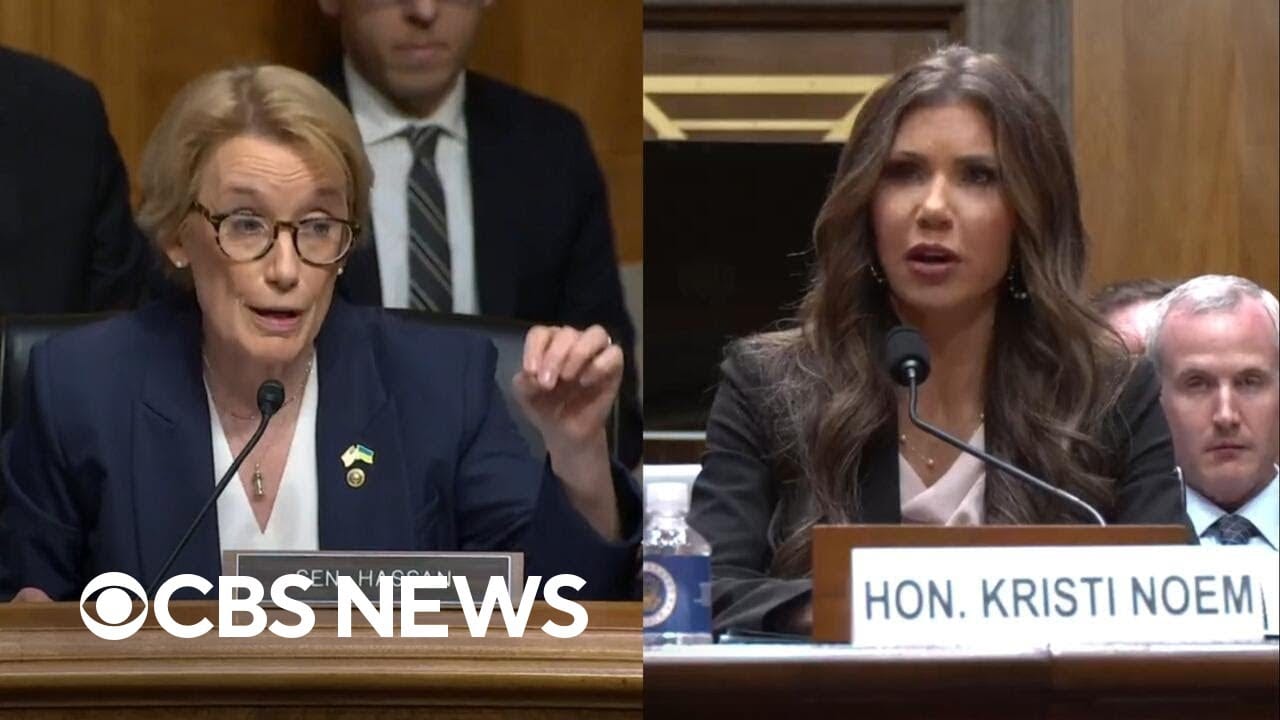
Senator Maggie Hassan of New Hampshire posed questions to Secretary Noem regarding her understanding of habeas corpus.
This line of questioning sought clarity on the administration’s perspective on this legal right.
It’s a complex area of law, often discussed in relation to government actions like detention and deportation.

Senator Andy Kim of New Jersey also questioned the Secretary on the topic.
These exchanges are typical in oversight hearings, probing officials’ knowledge of relevant laws and constitutional provisions.
It’s a mechanism for ensuring accountability and understanding policy implications.
Defining Habeas Corpus
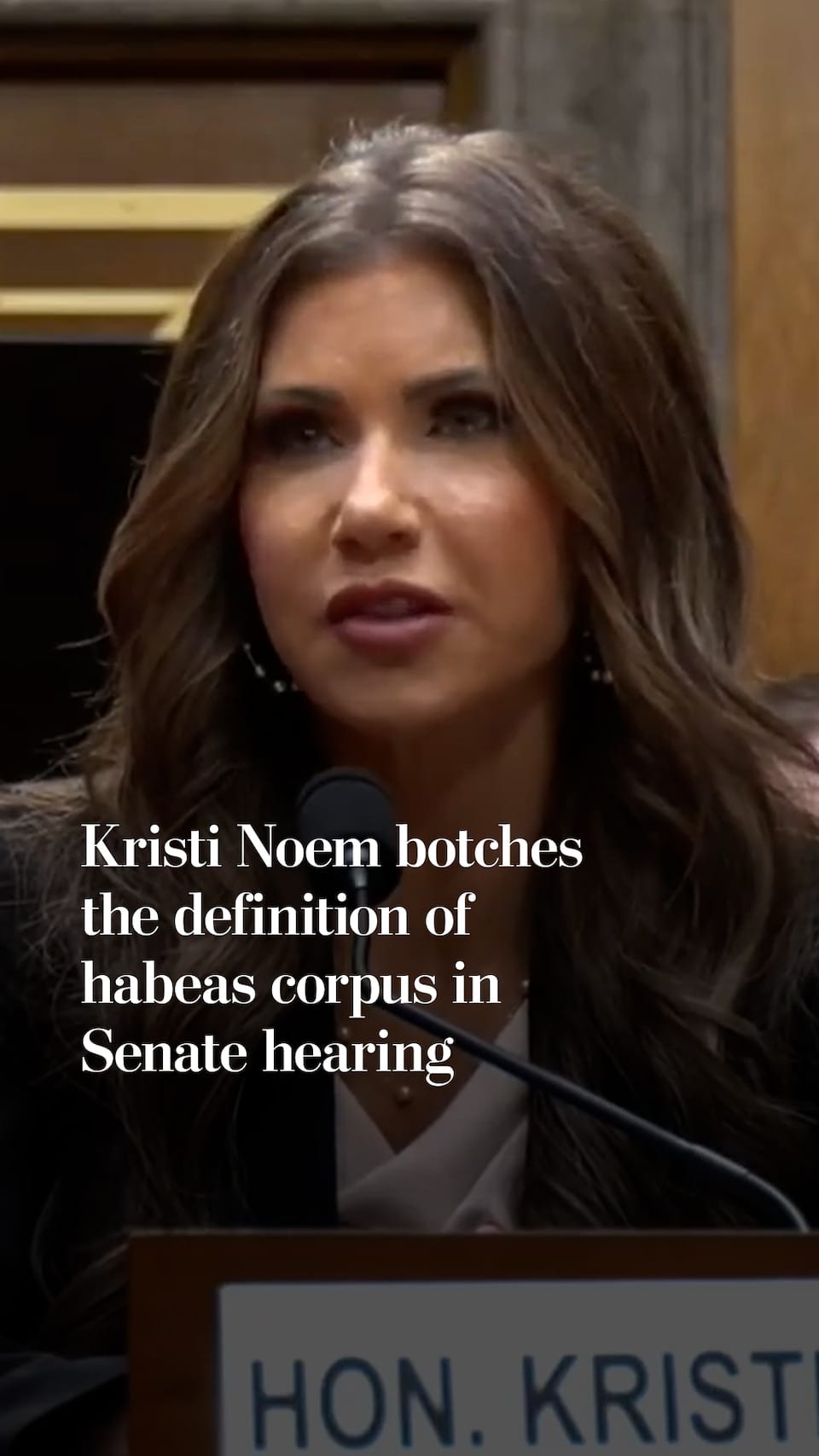
Habeas corpus is a Latin term meaning “you shall have the body”.
It is a legal action through which a person who is imprisoned or held in custody can challenge the legality of their detention.
The writ of habeas corpus is an order from the court to the person (usually a prison warden) holding the prisoner, requiring the person to bring the prisoner to court and justify the imprisonment.
The Exchange Unfolds
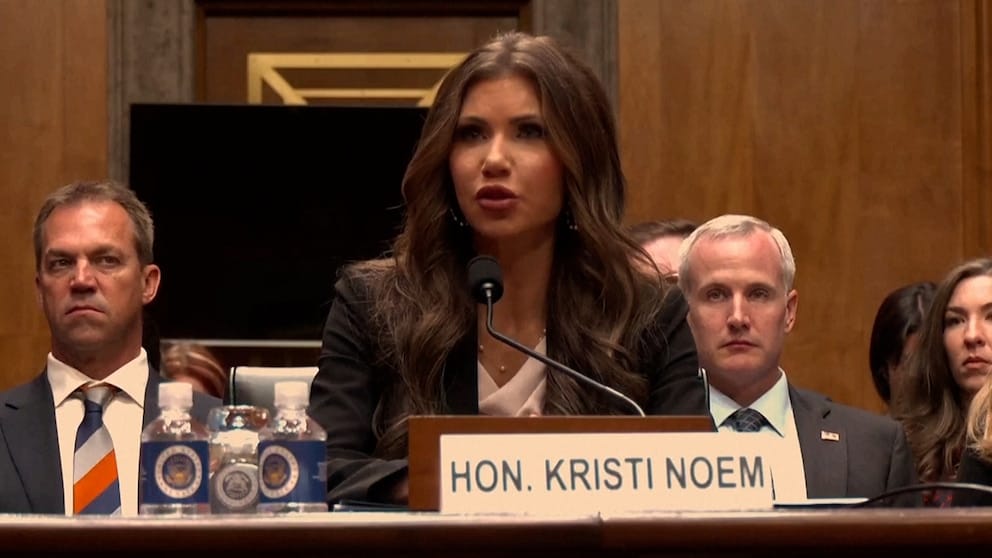
During the hearing, Secretary Noem offered her definition when asked directly.
She stated:
Habeas corpus is a constitutional right that the president has to be able to remove people from this country.
This statement was met with immediate feedback from Senator Hassan.
Senator Hassan interrupted, saying: “Excuse me, that’s incorrect.”
She then provided the traditional legal definition:
Habeas corpus is the legal principle that requires that the government provide a public reason for detaining and imprisoning people. If not for that protection, the government could simply arrest people, including American citizens, and hold them indefinitely for no reason. Habeas corpus is the foundational right that separates free societies like America from police states like North Korea.
The questioning also touched upon the suspension of habeas corpus.
Secretary Noem stated she supported habeas corpus but also believed the president had the authority to decide on its suspension.
However, the U.S. Constitution addresses this power in Article I.
Article I grants Congress the power to suspend habeas corpus, and only in specific circumstances: “in Cases of Rebellion or Invasion the public Safety may require it.”
Senator Kim further pressed the Secretary on which constitutional article governs suspension, to which she indicated she did not know, before being informed it is Article I.

The exchange highlighted the complexities of constitutional law and the pressures of live congressional testimony.
It served as a public moment clarifying the widely accepted definition and constitutional basis of habeas corpus.