Health Secretary RFK Jr’s attempt to erase vaccine safety findings blocked by journal
Did a powerful health official try to silence scientific findings on vaccine ingredients?
A major medical journal has pushed back against a high-profile request.

The Push for Retraction
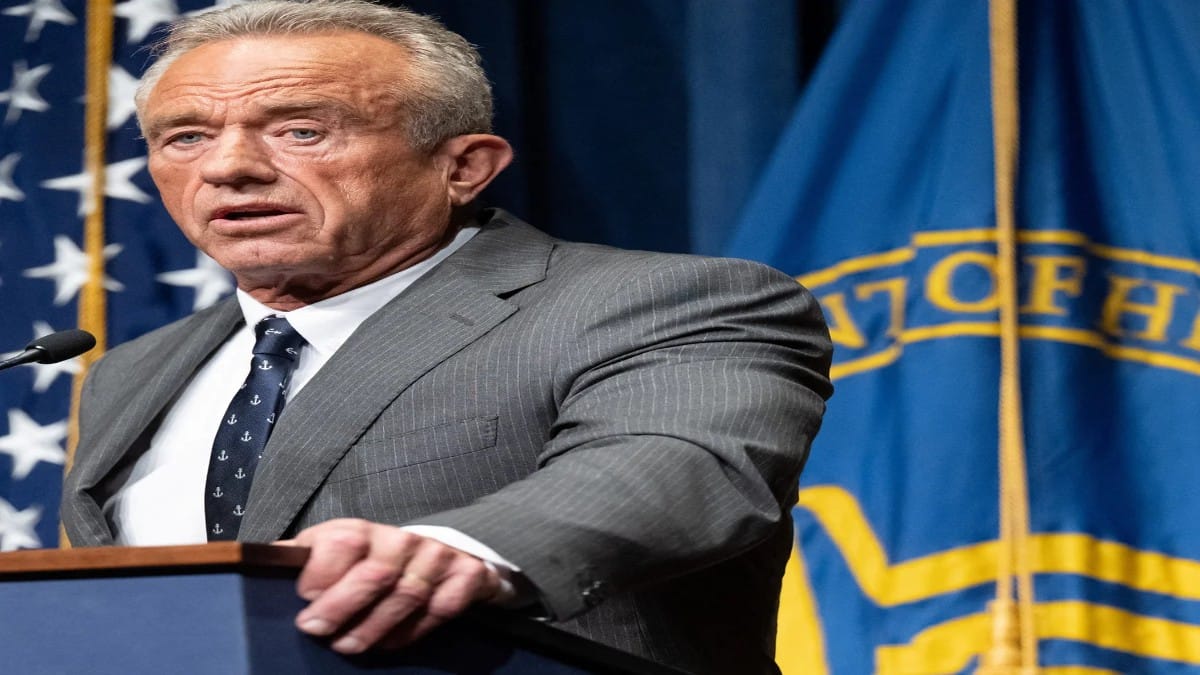
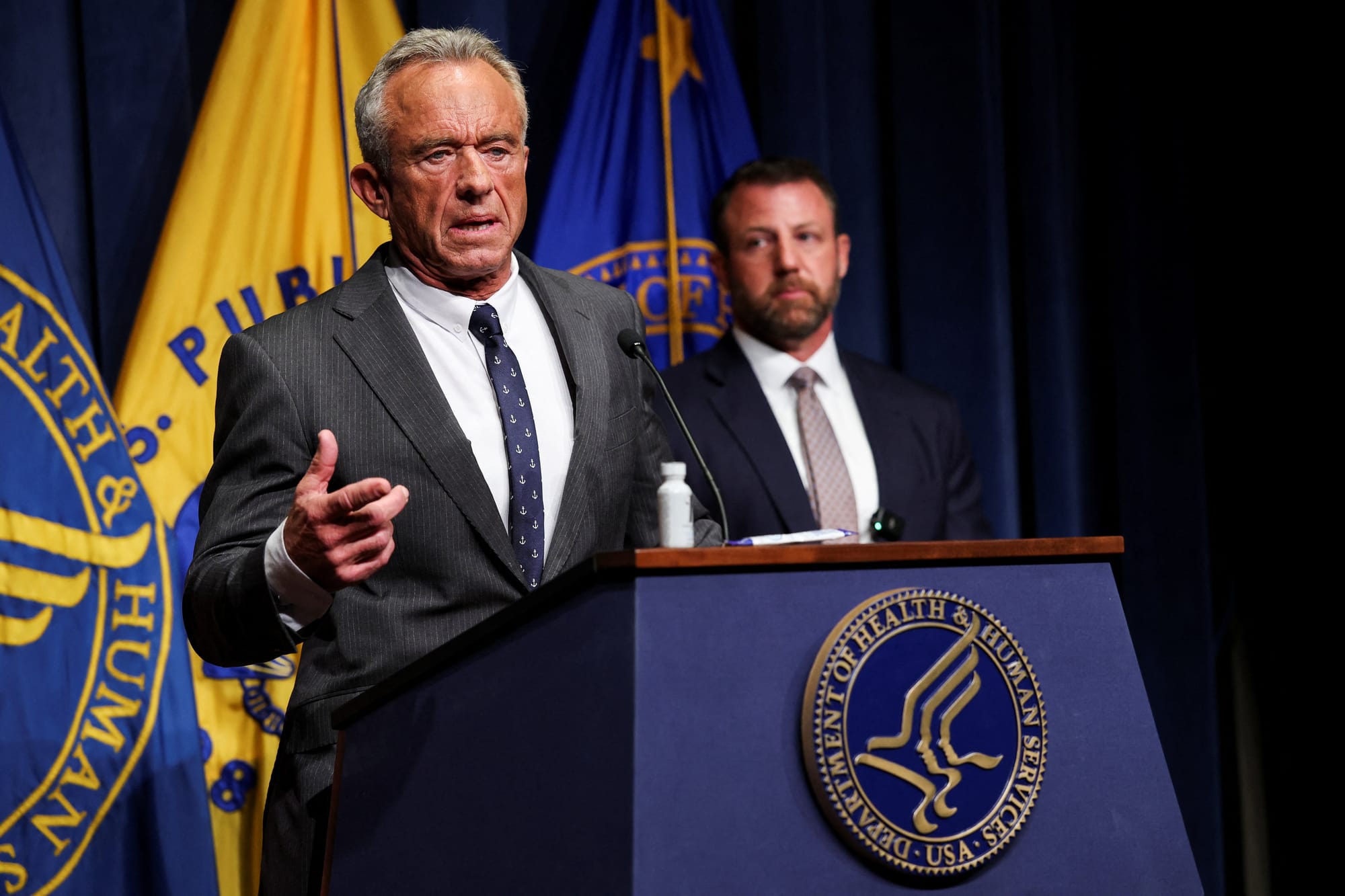
Health Secretary Robert F. Kennedy Jr. recently called for a large study to be retracted. The study looked at aluminum ingredients in vaccines.
Kennedy has publicly voiced concerns about vaccine safety for a long time. As health secretary, he has changed how the government recommends vaccines.
He reportedly considered reviewing vaccines that contain aluminum. He believes these ingredients are linked to certain health issues like autoimmune diseases and allergies.
What the Study Found
The study in question was published in the Annals of Internal Medicine. It was funded by the Danish government. It examined over 1.2 million children in Denmark.
The research spanned more than two decades. It analyzed nationwide data.
The findings did not show that aluminum exposure from vaccines increased the risk of specific health problems.
These problems included autoimmune disorders, atopic or allergic conditions, and neurodevelopmental issues.
Expert Opinions
Dr. Adam Finn, a childhood vaccination expert from the UK, commented on the study. He is a pediatrician at the University of Bristol.
“It’s solid, [a] massive dataset and high-quality data,” he said.
Finn was not involved in the study. He believes it offers the best available evidence on this topic.
Kennedy’s Accusations
Kennedy did not hold back his criticism. He described the research as a “deceitful propaganda stunt by the pharmaceutical industry.”
He also stated that the scientists designed the study specifically to avoid finding harm.
He urged the journal to “immediately retract” the study.
Kennedy detailed his concerns in an opinion piece on TrialSite News.
The Journal’s Response
The editor-in-chief of Annals of Internal Medicine, Dr. Christine Laine, responded to these claims. She is also a professor of medicine at Thomas Jefferson University.
“I see no reason for retraction,” she said in an interview.

Laine mentioned the journal plans to address criticisms on its website.
However, they do not plan to directly respond to Kennedy’s piece. This is because his article was not submitted to the journal.
Study Author Defends Research
Anders Peter Hviid, the lead author of the study and head of epidemiology research at Denmark’s Statens Serum Institut, defended his team’s work.
He responded to Kennedy’s points on TrialSite.
He wrote that none of the critiques were substantial. He also firmly denied any deceit.
Hviid mentioned he is used to controversy surrounding vaccine safety. However, he noted he had never been targeted by a political figure in this manner before.
He expressed confidence in their work and their ability to address critiques.
Addressing Criticisms
Kennedy raised several points. These included the absence of a control group. He also claimed the study excluded certain children to hide links between aluminum and health conditions.
Hviid addressed these concerns. He stated that Denmark has a very low unvaccinated population. This made a meaningful comparison with a control group difficult.
He also explained that while data was available for analysis, individual-level data could not be released due to Danish law.
The Verdict
The journal’s editor, Dr. Laine, acknowledged that some of Kennedy’s points might highlight acceptable study limitations.
“they do not invalidate what they found, and there’s no evidence of scientific misconduct,” she stated.
The Department of Health and Human Services offered no further comment beyond what the secretary had already said.