Green Card Holder Fainted, Hospitalized During Two-Month Detention

His visit home turned into a shocking ordeal at the airport.
He was simply trying to re-enter the country he’d lived in for years.

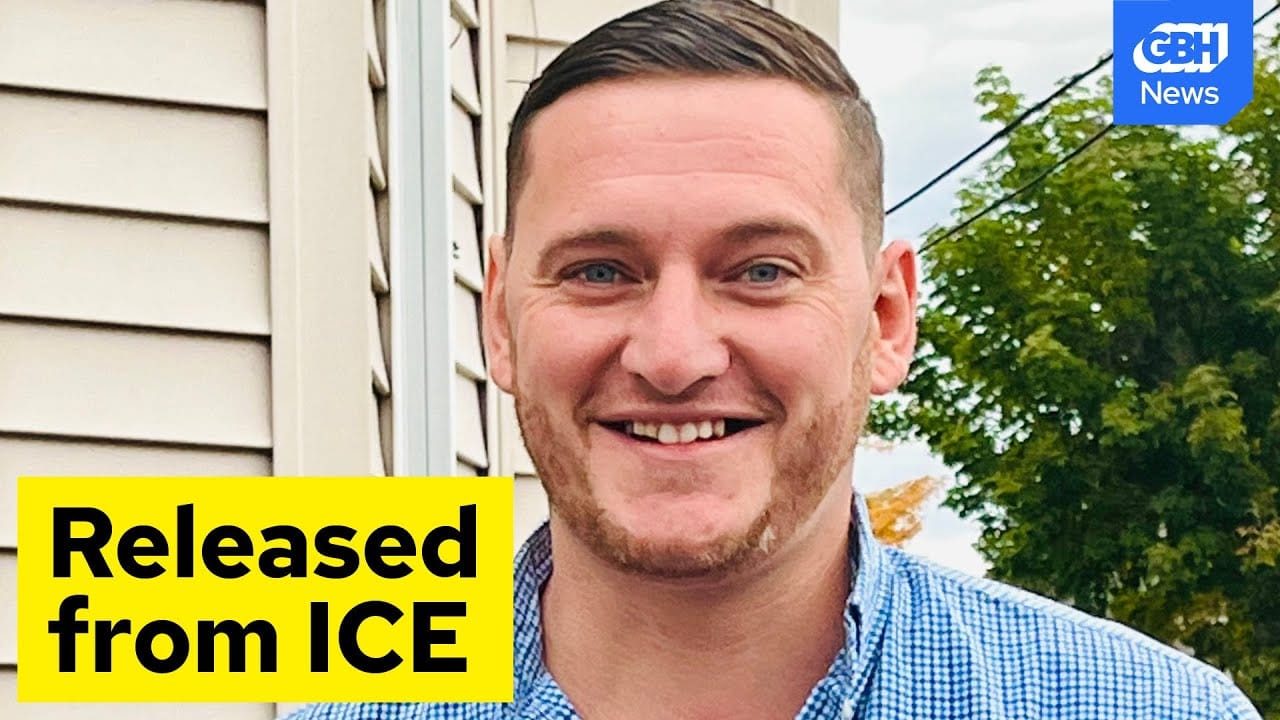
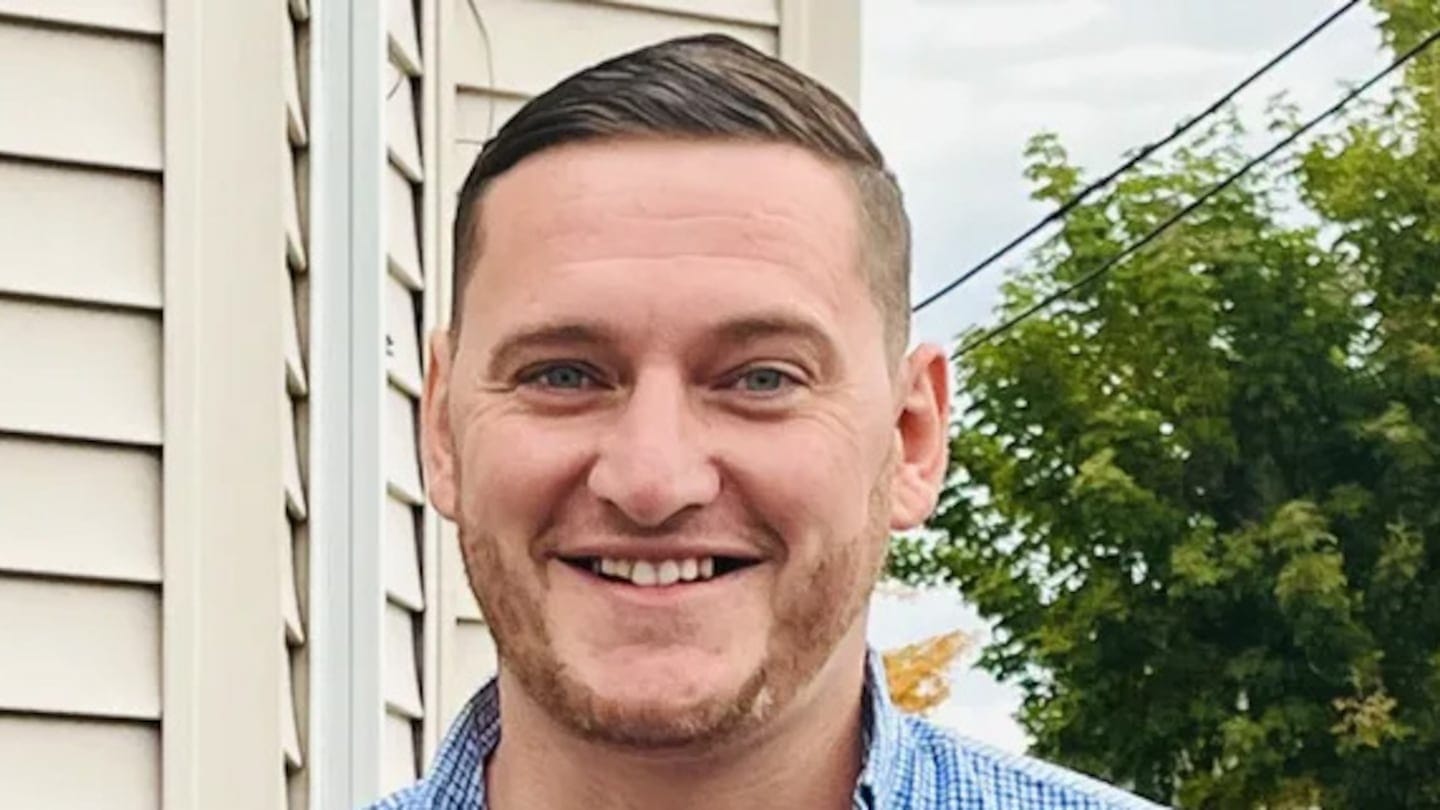
Fabian Schmidt, a lawful permanent resident originally from Germany, found himself in an unexpected situation upon his return from visiting family in Europe.
Stopping at Logan International Airport in March, Schmidt, who has resided in New Hampshire since 2022, was anticipating a routine re-entry.
However, his journey took a dramatic and unforeseen turn, leading to a two-month period in detention.
He recently shared details of his experience, describing the unexpected nature of his detention and its significant impact.
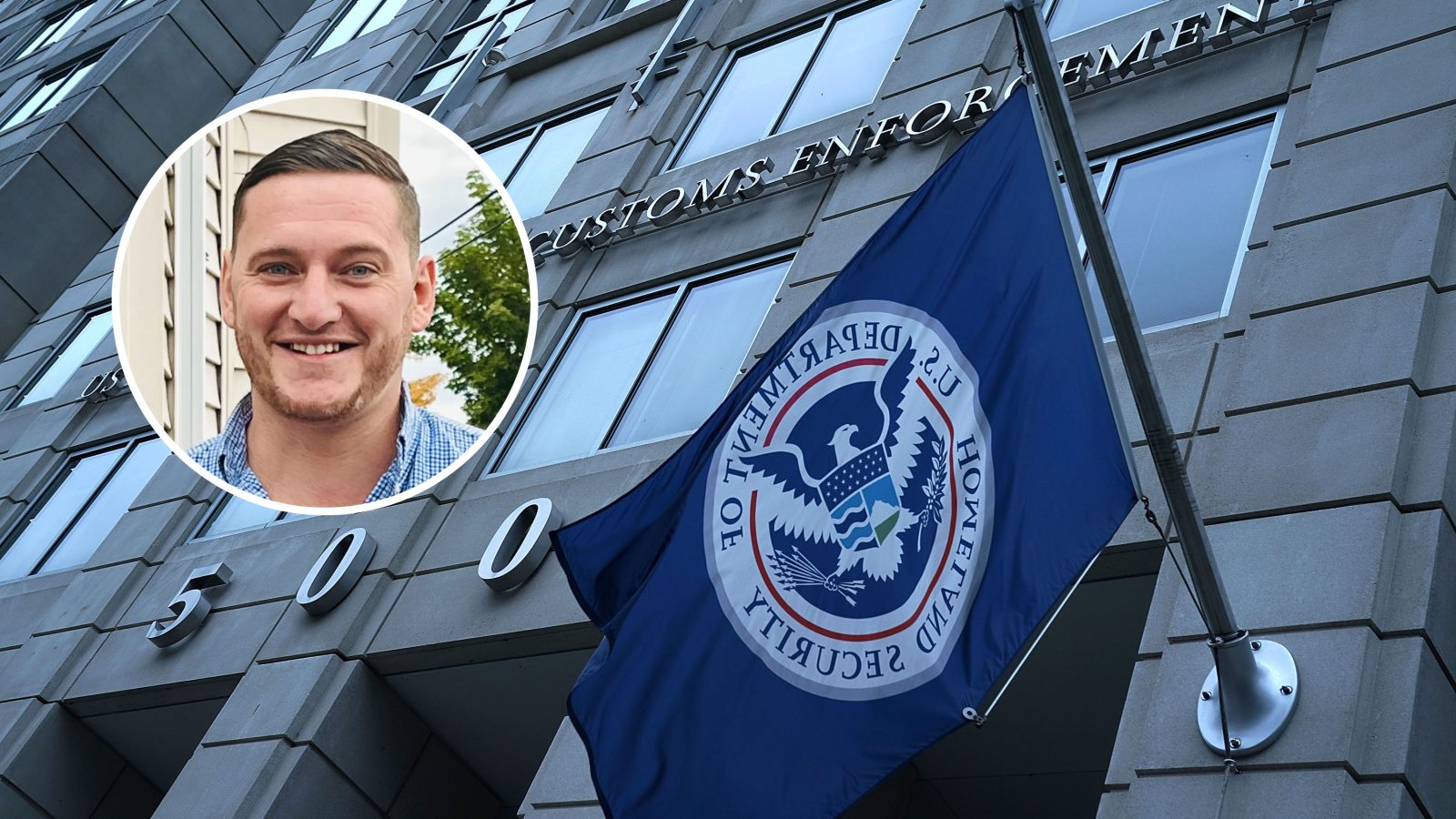
U.S. Customs and Border Protection (CBP) addressed inquiries regarding such cases, emphasizing the agency’s commitment to upholding established immigration laws.
Hilton Beckham, Assistant Commissioner of Public Affairs for CBP, stated that the current administration prioritizes enforcing immigration regulations, an area she suggested was not as stringent previously.

According to Beckham, individuals found to be in violation of these laws face detention or deportation proceedings.
She also provided reassurance, stating that lawful permanent residents who are compliant with regulations should not feel apprehension about traveling in and out of the country.
Schmidt’s account highlights the intense personal challenges faced during such government processes.
He described showing his recently renewed green card at Logan before being directed to a secondary security area.
This led him to a room he characterized as an “interrogation room.”
He recounted feeling subjected to aggressive questioning upon entering the room.
Questions touched upon his background, including his financial situation and family details.
Agents also inquired about his criminal history, which Schmidt stated included a dismissed misdemeanor drug charge from 2016 and a DUI from the same year that resulted in fines and probation.
Schmidt reported that during this initial phase at the airport, he was not permitted to contact legal counsel, the German embassy, or his family.
Hours into the process, a supervisor reportedly deemed him “inadmissible.”
Schmidt recounted being informed he was considered a flight risk and that there was concern he might attempt to enter the country via the southern border.
He stated he attempted to clarify his status as a legal permanent resident with deep roots in the U.S., having lived there for 18 years.
Remaining at the Logan facility, he was provided minimal amenities, including a thin mat and cold food.
He described being awakened for further questioning after only a few hours.
Schmidt believes it was on the third day that he was required to take a shower. Despite feeling unwell and hesitant without a towel, he stated he was compelled to do so, describing the water as freezing cold and the provided towel as inadequate.
He described feeling constantly cold and shaking after this experience.
During this challenging period, Schmidt’s health reportedly worsened.
He recounted feeling dizzy and collapsing while attempting to go to the bathroom.
Upon regaining consciousness, he requested medical attention.
According to Schmidt, one agent responded dismissively, suggesting he was trying to “med out,” a term he later understood to mean physically breaking down under stress.

Schmidt was subsequently transported to Massachusetts General Hospital. There, he was treated for flu symptoms and a high fever for several hours.
He stated that during a medical assessment requiring privacy, CBP officers remained present. Despite a doctor recommending rest, Schmidt was returned to the holding area at Logan Airport.
After more long hours at the airport, Schmidt was eventually transported to the Donald W. Wyatt Detention Facility in Rhode Island. He reported arriving there approximately four days after his initial detention at Logan.
At Wyatt, Schmidt described the environment differently, noting that the corrections officers there seemed professional and focused on their duties.
He was eventually able to contact his mother and, through communication facilitated by an electronic tablet, connect with his fiancée, Bhavani Hodgkins. Together, they secured legal representation.
Schmidt remained at Wyatt for approximately two months, during which time he worried about potential deportation.
His perspective shifted last week when, just before a scheduled remote court appearance, he received news from Hodgkins that he was to be released.
After being transported to an ICE processing facility in Burlington, Massachusetts, Schmidt was finally reunited with his fiancée.
Schmidt, an electrical engineer and father, had been actively involved in his community, volunteering to help individuals navigating sober living and seeking employment, drawing on his own past experiences with sobriety.
He reflected on his life before the detention, stating he had taken many things for granted.
I’m a very blessed man, to be honest with you.
A GoFundMe campaign has been established by his fiancée, mother, and Schmidt to help cover legal expenses and compensate for lost income. Schmidt estimates his financial loss from missed work to be significant and plans to pursue legal action against the government.
Schmidt also expressed a desire to contribute towards greater transparency within the system, noting the difficulty his family faced in obtaining information about his whereabouts during his detention.
He shared that while in detention, he encountered individuals with serious criminal records, but also many others whose reasons for being held were unclear to him.
I love this country and the people in it so much — but I’ll tell you, the system is broken.
He voiced a hope for improvements in legal processes, believing in the nation’s foundational principle of “liberty and justice for all.”
Schmidt’s experience highlights the complex realities individuals can face when navigating immigration and border security processes, even as lawful residents, and underscores the human impact of enforcement actions.