Government agencies use viral memes and shocking images to target millions
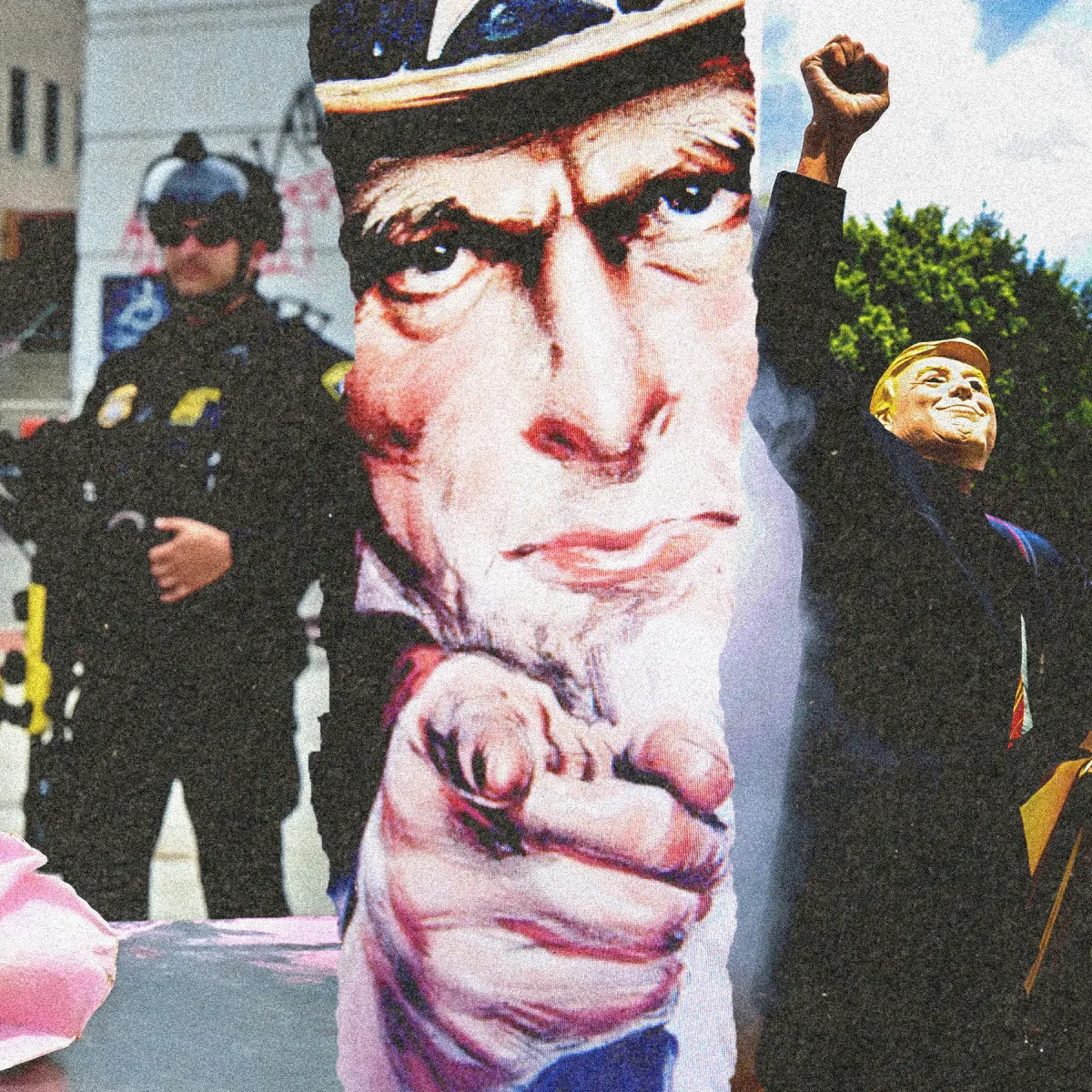
What’s really going on behind those viral videos?
Experts are raising serious concerns about how some government agencies are communicating today.
Social Media Strategies Come Under Fire
Recent reports highlight a growing trend where government departments are using social media in new and unexpected ways. They are turning to viral trends and popular culture to get their message across.
This approach aims to connect with a wider audience, especially younger demographics. But some experts worry about the message being sent.
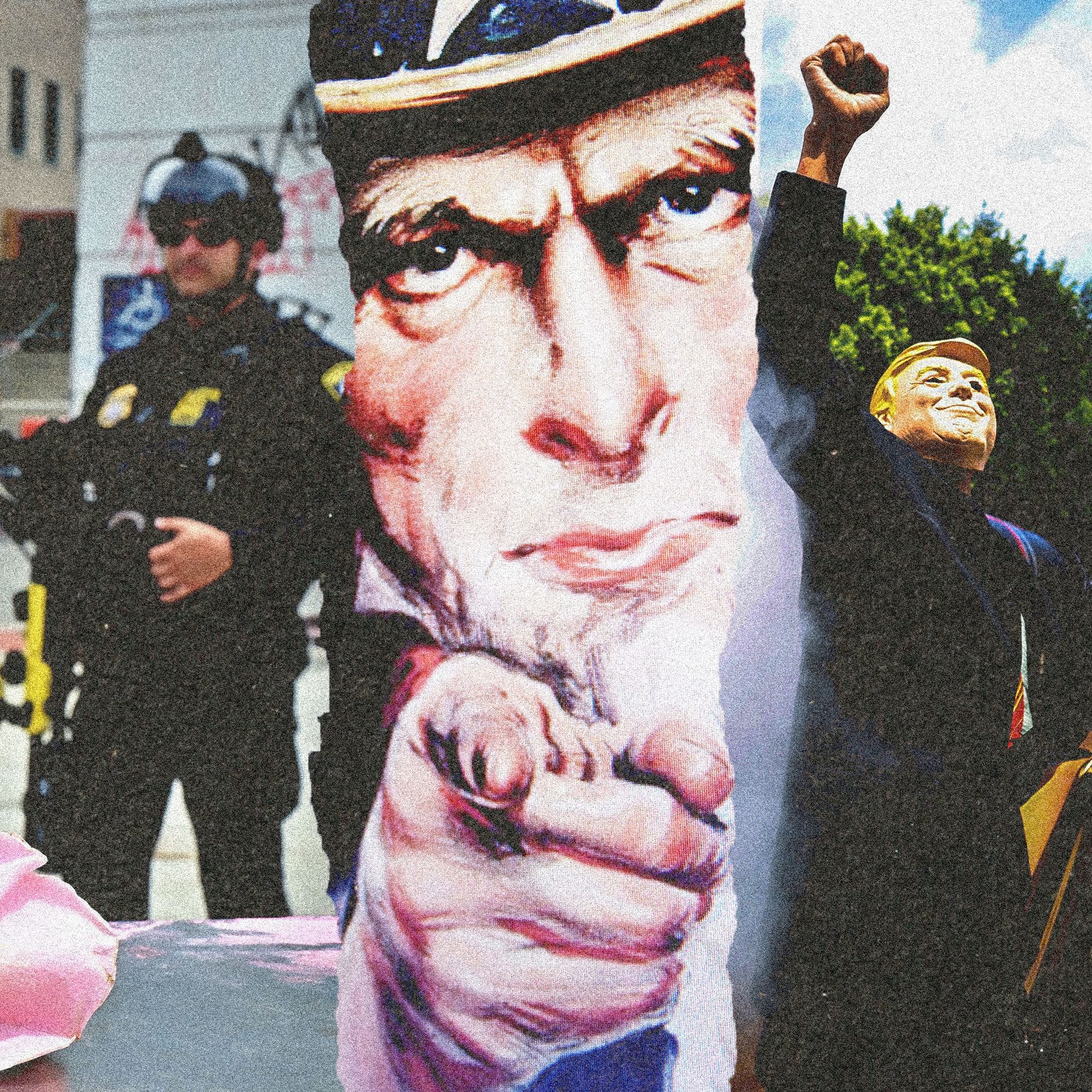
A New Way to Communicate?
Government communications teams are experimenting with different formats. They are using popular music and even AI-generated images. The goal is to make official messages more engaging and relatable.
Some of these posts have gone viral. They tap into trends seen on platforms like TikTok and X. This strategy is designed to capture attention in a crowded online space.
Dehumanizing Language or Facts?
However, critics argue that this strategy crosses a line. They suggest that using certain memes and imagery can downplay serious issues. This can make aggressive actions seem less severe.
“My biggest problem with it is that it normalizes aggression. With the normalization of aggression and the normalization of the dehumanization of others, immigrants or otherwise, it’s not much of a jump to actual violence.”
These experts believe that this approach can make people less empathetic. It might lead to a greater acceptance of harsh policies.
Targeting Specific Groups
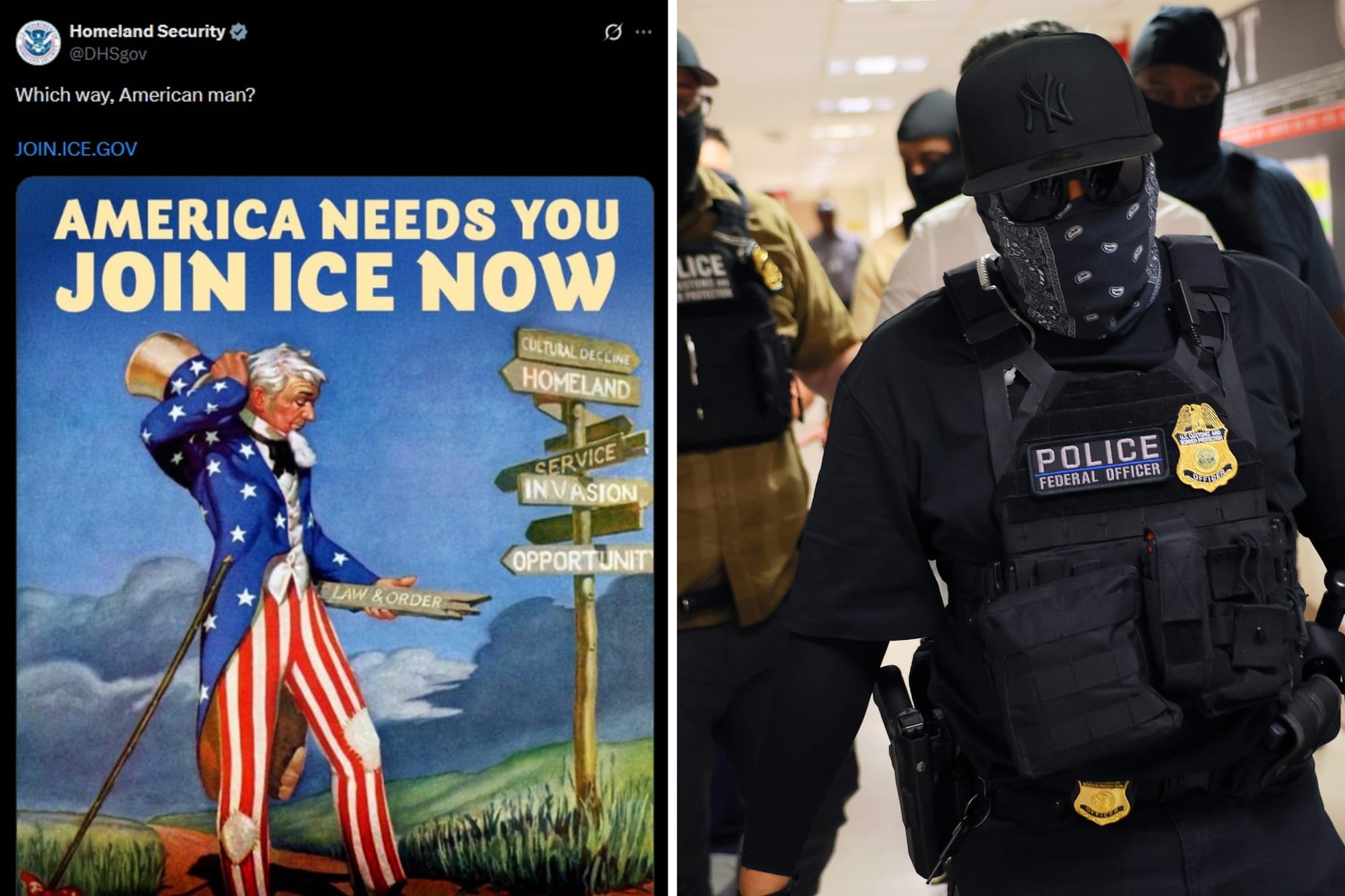
Documents show that some agencies are specifically trying to reach young people. They want to encourage them to join government service. This involves using platforms and content that appeal to this age group.
The idea is to appear modern and accessible. They want to attract recruits by showing a different side of government work.

Controversial Content Surfaces
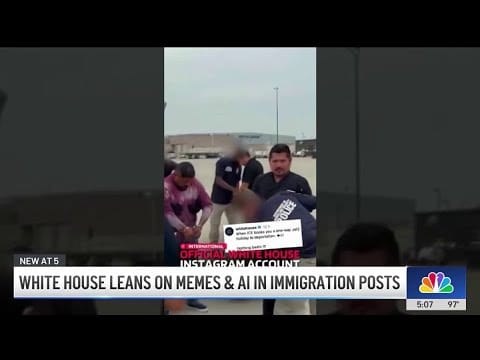
Some of the content shared has drawn significant criticism. This includes AI-generated images and the use of trending audio clips. Critics say these posts make light of difficult situations.
One example involved using a popular vacation ad’s theme song for a video showing immigrants. Another featured AI images of alligators in official hats.

Agency Defends Its Methods
Officials have defended these social media tactics. They state that the intention is to share accurate information. They believe they are simply presenting the facts in a new way.
One spokesperson stated that their goal is to counter negative portrayals and “straighten out the facts.” They also emphasized the importance of reporting on the crimes committed by some immigrants.
“And while WIRED runs cover for criminal illegal aliens, we won’t apologize for posting banger memes.”
They argue that their content highlights the dangers posed by some individuals entering the country.
The Core Concern Revealed
The main concern from experts is that this approach can normalize aggression. By using humor and viral trends, the serious impact of enforcement actions is minimized. This can lead to a desensitization towards the human element involved.
This strategy, some believe, is a slippery slope. It could potentially lead to a more dangerous environment for those targeted by these policies.
Images Add to the Narrative
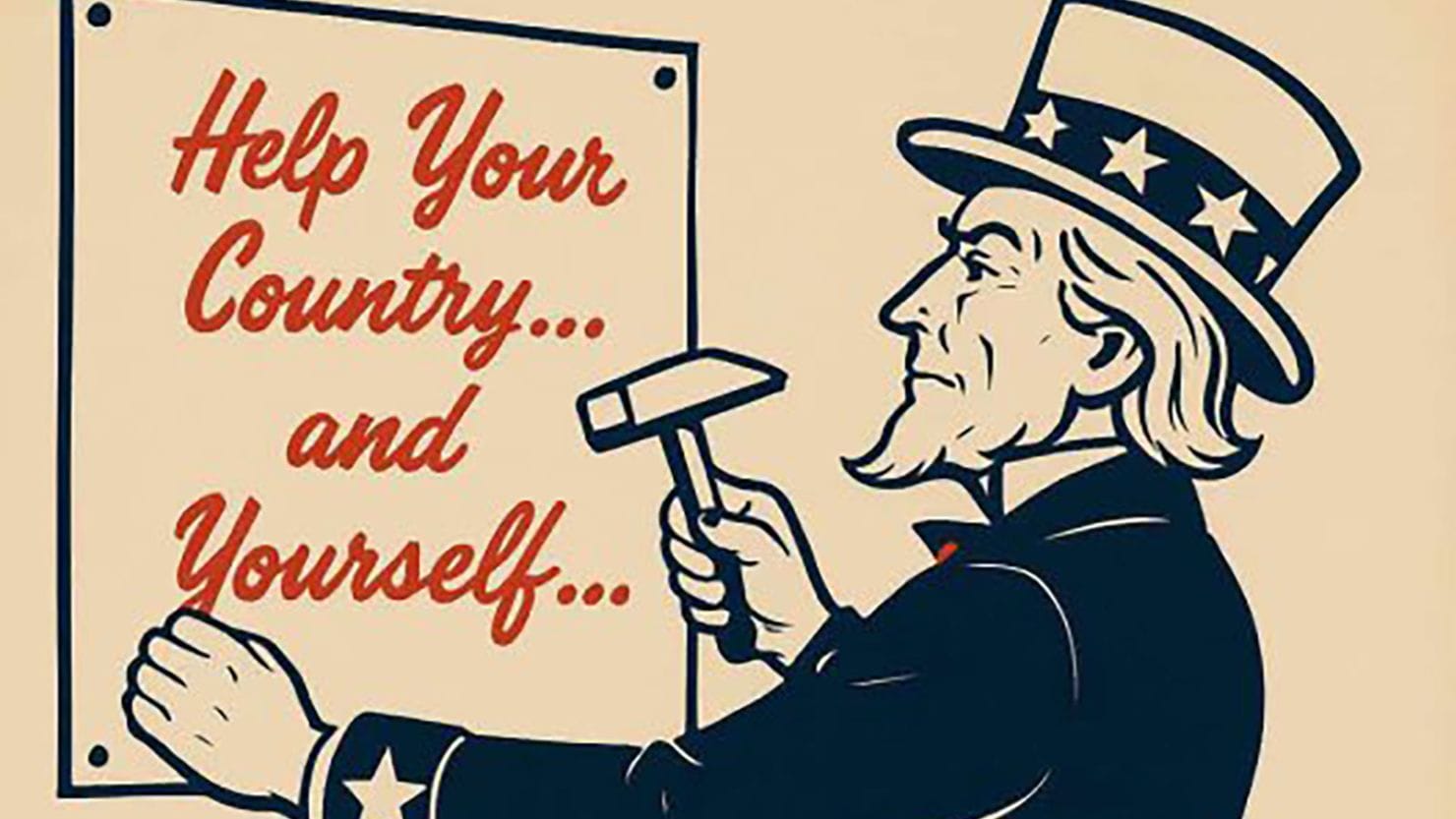
Adding to the discussion are images that have been shared. These visuals often accompany the messages. They can reinforce the tone and intent of the social media posts.
Some of these images have also faced scrutiny. They are seen by critics as promoting certain viewpoints or historical narratives.
The Big Picture
Ultimately, the use of memes and viral content by government agencies represents a significant shift. It sparks a debate about how public policy should be communicated in the digital age.