Georgia Mother Says State Abortion Ban Forces Her To Keep Brain-Dead Daughter on Life Support
It’s a situation no family ever wants to face.
A mother’s anguish over her daughter is compounded by complex medical and legal realities.
A Mother’s Heartbreak
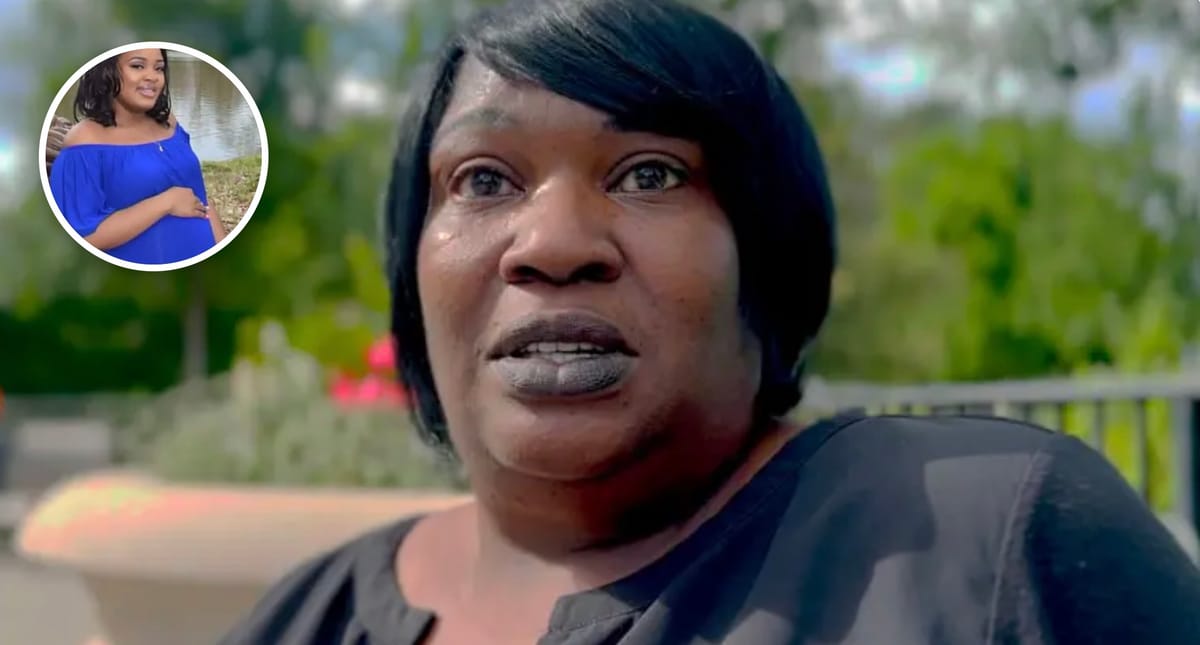
April Newkirk faces an unimaginable reality.
Her 30-year-old daughter, Adriana Smith, is brain-dead and has been on life support for months.
But Adriana is also pregnant, adding another layer of profound difficulty to this already tragic situation.
Newkirk told local news that seeing her daughter like this is “torture.”
“I see my daughter breathing, but she’s not there.”

The Medical Crisis Unfolds
The family’s ordeal began earlier this year.
In early February, when she was about nine weeks pregnant, Adriana started having severe headaches.
She sought medical help but was reportedly released with medication.
According to Newkirk, no extensive tests were run at that time.
Just a day later, Adriana was found unresponsive, gasping for air.
She was rushed to the hospital, where scans revealed multiple blood clots in her brain.
Despite medical efforts, Adriana was declared brain-dead.
She has been on ventilators and other machines for over 90 days, her mother says.
Sustaining Life
Adriana is currently 21 weeks pregnant with a baby boy.
The medical focus has reportedly shifted to sustaining her life to allow the pregnancy to continue.
The reported plan is to keep her on life support until the baby reaches a point where he can potentially survive outside the womb, likely around 32 weeks.

Understanding the State Law
Georgia has a law known as the LIFE Act.
Signed into law in 2019, it went into effect in 2022 following legal challenges and the overturning of Roe v. Wade.
The law prohibits abortions after approximately six weeks of pregnancy, the point at which a fetal heartbeat can typically be detected.
Exceptions exist, including situations to protect the mother’s life or health, certain fetal anomalies, and documented cases of rape or incest.

The Family’s Difficult Claim
April Newkirk believes the state’s law is dictating her daughter’s medical care.
She told WXIA that doctors informed the family they are legally unable to consider other medical options, implying the law prevents ending the pregnancy.
“It should have been left up to the family,” Newkirk stated.
“I’m not saying that we would have chose to terminate her pregnancy, but what I’m saying is, we should have had a choice.”
The family is also reportedly facing significant financial burdens associated with the ongoing life support.
Hospital’s Response and the Complex Picture
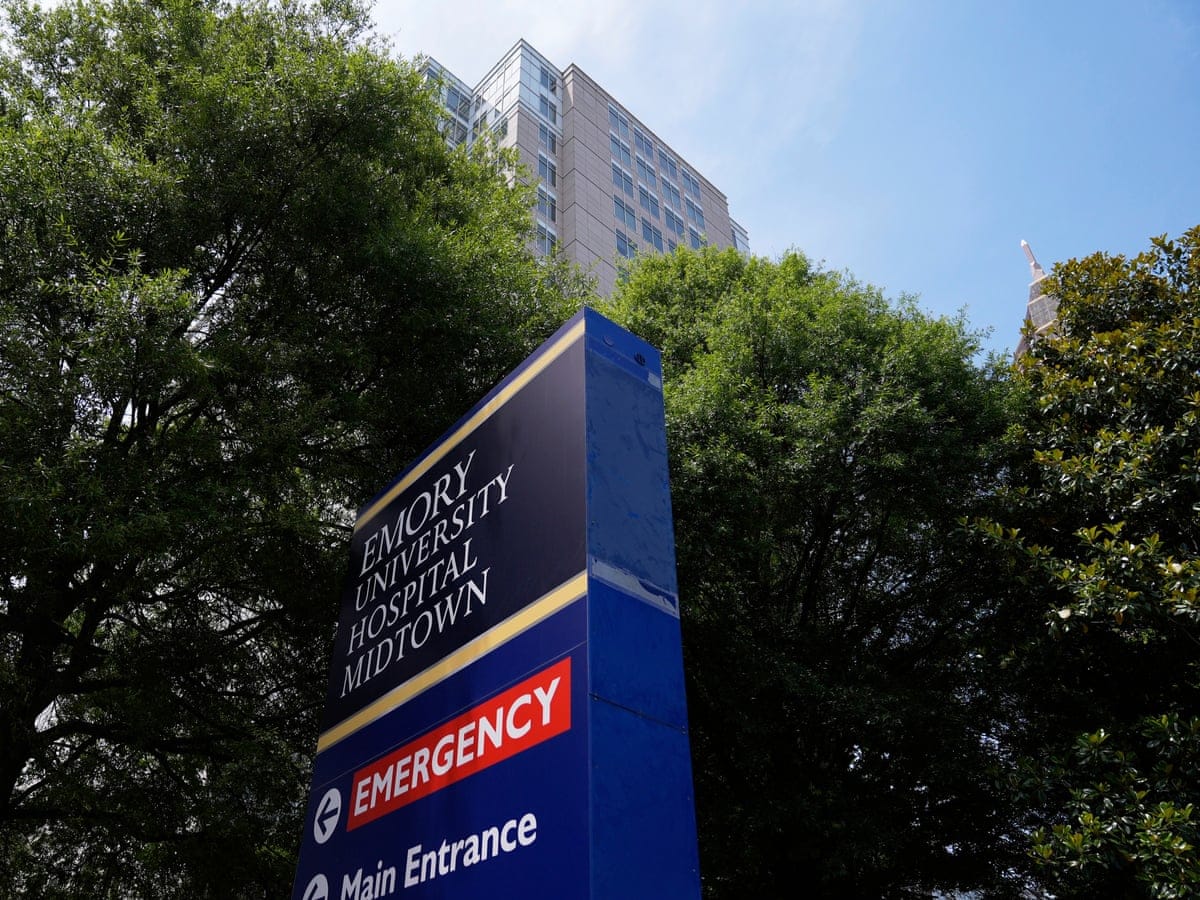
Emory Healthcare, where Adriana is being treated, addressed the situation in a statement.
They noted they use “consensus from clinical experts, medical literature, and legal guidance” to guide their treatment decisions.
Their statement affirmed their commitment to making recommendations that comply with “Georgia’s abortion laws and all other applicable laws.”
They emphasized that their “top priorities continue to be the safety and wellbeing of the patients we serve.”

This tragic case highlights the incredibly complex and emotionally fraught situations that can arise at the intersection of advanced medical care, personal tragedy, and state law.