Former ICE Director suggests AOC could face consequences for ‘impeding’ agents
Could advising constituents on their legal rights actually lead to trouble with the law?
That’s the question swirling around a high-profile clash between a former top immigration official and a prominent progressive congresswoman.
Veteran Official Raises Concerns
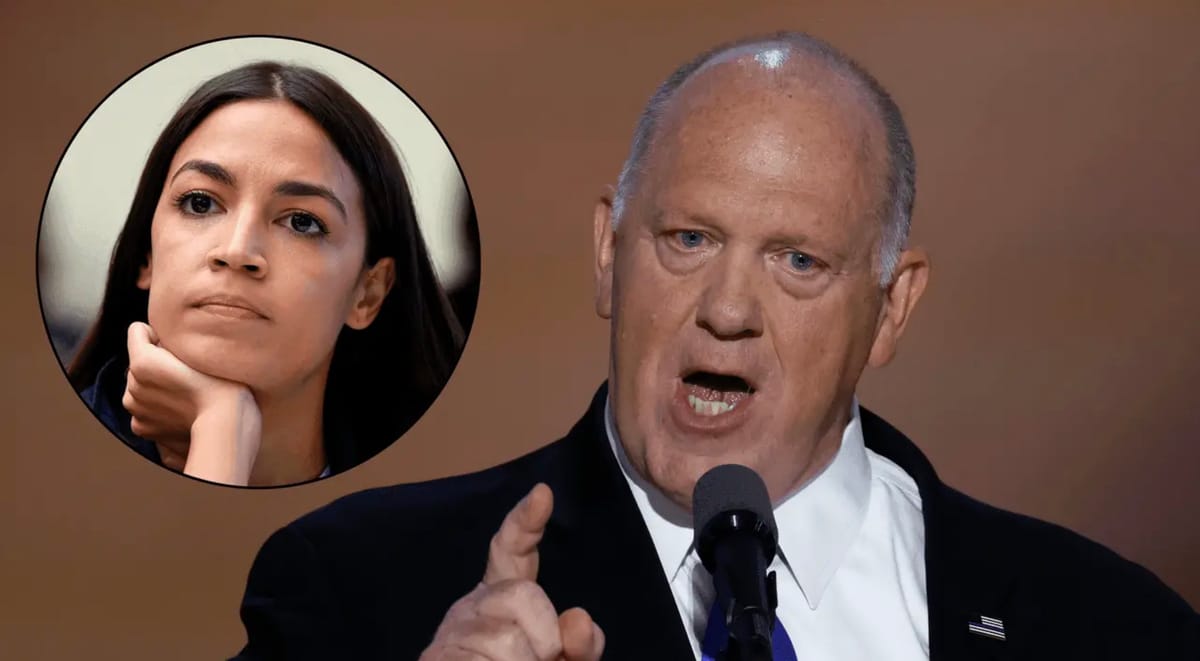
Tom Homan, who served as acting Director of Immigration and Customs Enforcement (ICE) under President Donald Trump, has publicly questioned the actions of Rep. Alexandria Ocasio-Cortez (D-N.Y.).
Homan’s concerns center on guidance Ocasio-Cortez provided to her constituents regarding interactions with federal immigration agents.
He suggested that her efforts might cross a line, potentially interfering with the duties of law enforcement officers.
‘Know Your Rights’ Controversy
The issue stems from a “Know Your Rights with ICE” webinar hosted by Ocasio-Cortez.
This event aimed to inform residents, particularly those concerned about the Trump administration’s immigration policies, about their constitutional and legal rights during encounters with ICE agents.

While advocates often frame such initiatives as essential public service, Homan viewed it differently.
Appearing on Fox News back in February, Homan didn’t mince words.
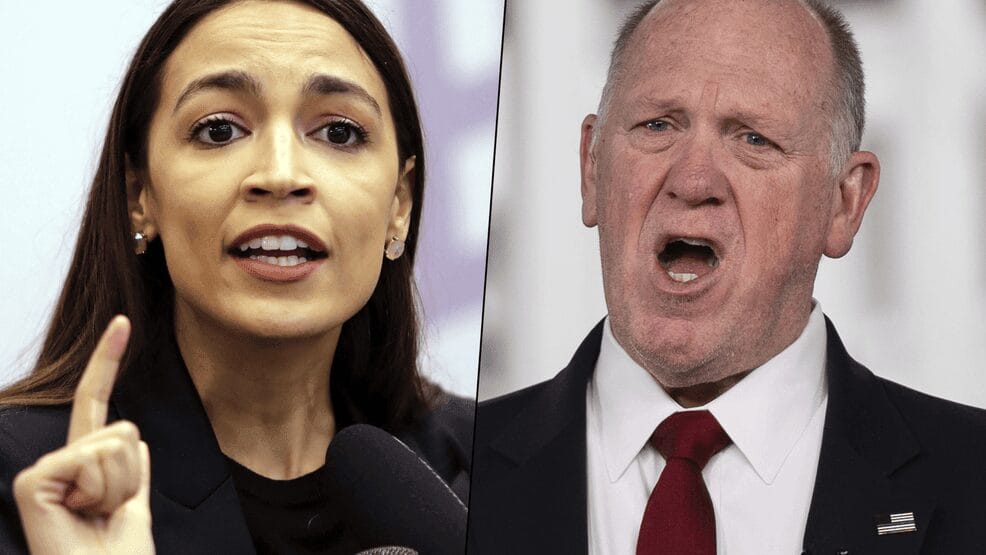
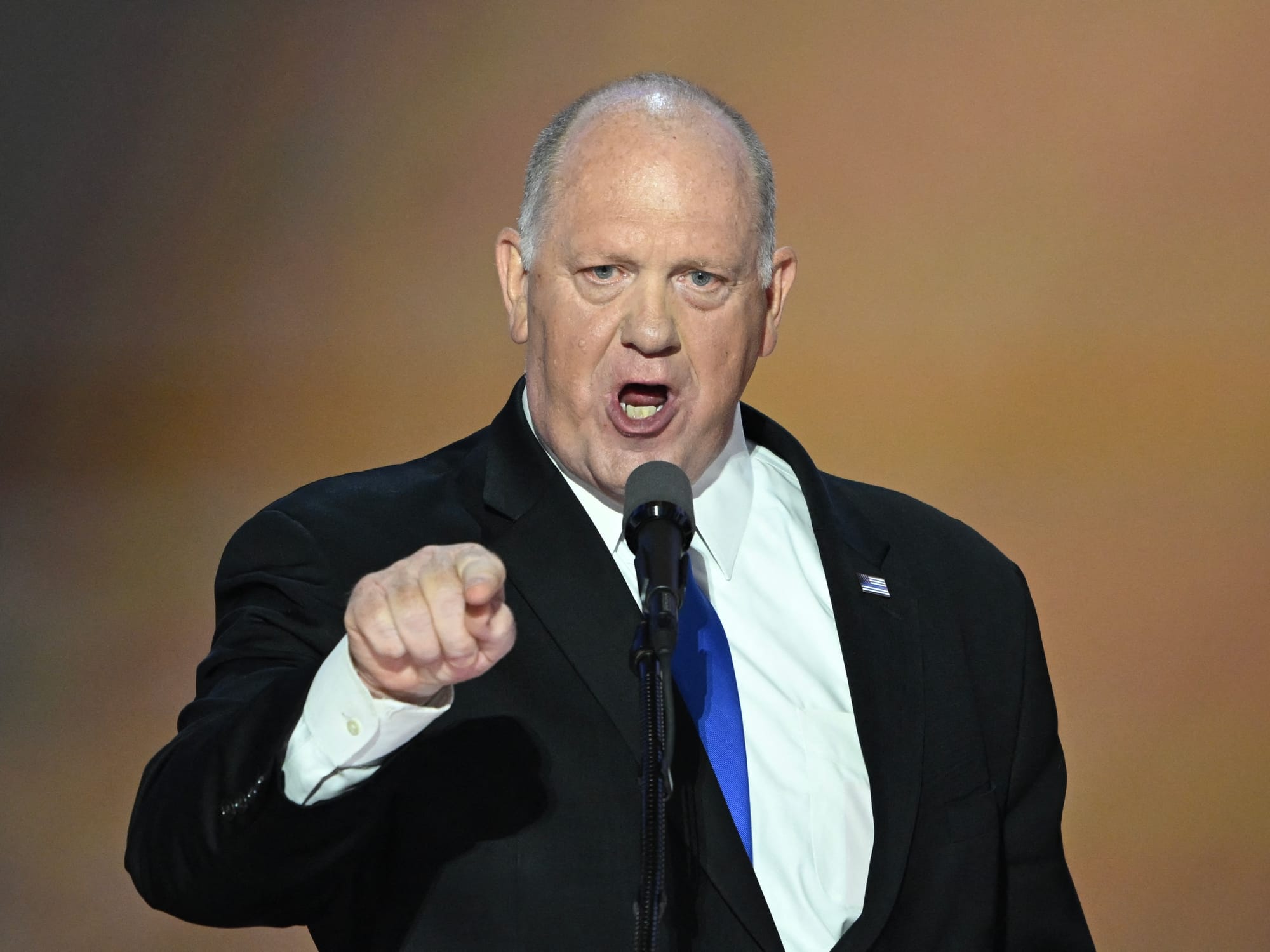
“I think she ought to be careful,” Homan stated during the broadcast.
He questioned whether the congresswoman was “crossing the line” and potentially facing legal jeopardy.
Escalating Rhetoric
Homan revealed he had taken his concerns further than just media appearances.
He confirmed sending a letter to the U.S. Department of Justice regarding Ocasio-Cortez’s actions.

In a separate Fox News segment, Homan elaborated on his perspective, stating that Ocasio-Cortez was effectively “trying to teach” people “how to evade law enforcement.”
This characterization starkly contrasts with the view of First Amendment advocacy groups, who have described advice like Ocasio-Cortez’s as “plainly lawful.”
The debate touches upon a sensitive area: where does informing citizens of their rights end, and obstructing federal operations begin?
A Broader Pattern?
The tension isn’t limited to just Homan and Ocasio-Cortez.
Homan also recently made comments regarding Wisconsin Governor Tony Evers (D).
Evers had issued guidance to state employees about interacting with federal immigration agents, similar to advice provided by Connecticut Governor Ned Lamont (D) earlier.
When asked about Evers’ guidance outside the White House, Homan reportedly warned, “Wait ’til you see what’s coming.”
Evers pushed back, accusing Republicans of manufacturing a “fake controversy.”
These incidents highlight ongoing friction between some state or local officials and federal immigration enforcement priorities.
Ocasio-Cortez Responds
Speaking at a town hall event in New York City, Rep. Ocasio-Cortez directly addressed Homan’s suggestions that she could be investigated.
She framed Homan’s comments as a potential threat from the former border czar to refer her to the Justice Department.
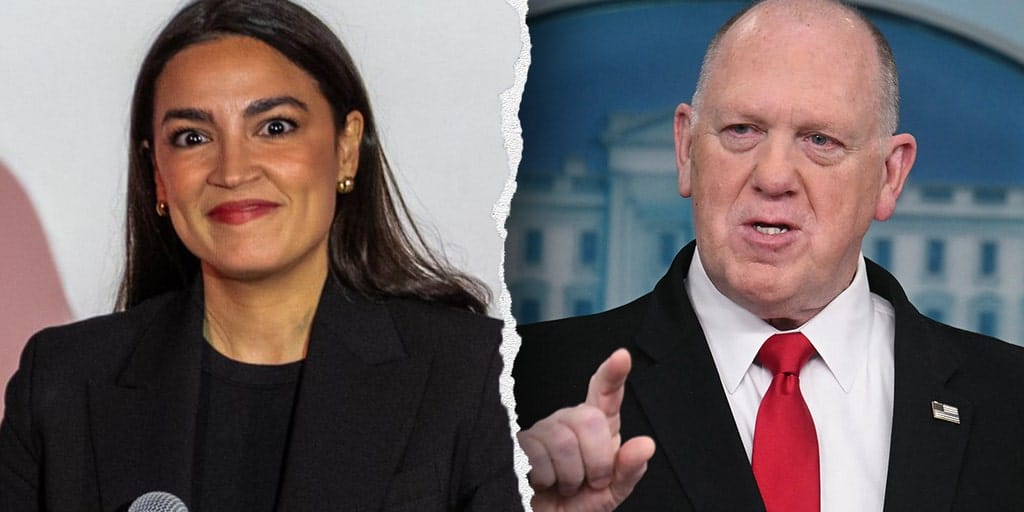
Her response was defiant.
“And he may want to do it again today and to that I say, come for me, you’re going to have to come for me,” she declared.
“Do I look like I care?”
Ocasio-Cortez stressed the importance of citizens knowing and using their constitutional protections.
“We do it by exercising and using our constitutional rights. Our rights are, ‘use it or lose it,’ so we need to use it,” she told attendees.
“And we need to challenge them so don’t let them intimidate you into thinking that you’re doing something wrong by telling people what their actual legal constitutional rights are. There’s nothing wrong about it and there’s nothing illegal about it.”
She concluded her point emphatically:
“And if they want to make it illegal, they can come take me. That’s how I feel about it.”
The standoff underscores the deep political divisions surrounding immigration policy and the methods used by both supporters and opponents of stricter enforcement.
It remains a contentious debate with significant legal and political implications.