Florida AG says contempt is worth defending Trump’s immigration agenda
It’s a battle over immigration law, and one state official is facing serious consequences.
But he says it’s all in defense of a much bigger cause.
A State Law Under Fire
Florida recently enacted a new law aimed at cracking down on illegal immigration within the state’s borders.
The statute makes it a misdemeanor crime for individuals living in the U.S. illegally to enter Florida.
Governor Ron DeSantis signed the legislation into law in February.
It was seen by many as part of a broader effort aligned with President Donald Trump’s stated goals on illegal immigration.
However, the law quickly faced legal challenges.
A lawsuit was filed by groups including the Florida Immigrant Coalition.
Judicial Roadblock Appears
A federal judge stepped in, issuing a temporary restraining order (TRO) against the new state law.
U.S. District Judge Kathleen Williams initially issued a 14-day TRO in early April.
This pause on enforcement came after the lawsuit challenged the statute.
The judge later extended the TRO for another 11 days.
This extension followed reports that the Florida Highway Patrol had made arrests under the law, including that of a U.S. citizen.
Court Orders and Compliance Issues
By mid-April, the court clarified that Florida law enforcement officers were indeed bound by the TRO.
This meant they were prevented from enforcing the state’s new criminal immigration law while the order was active.
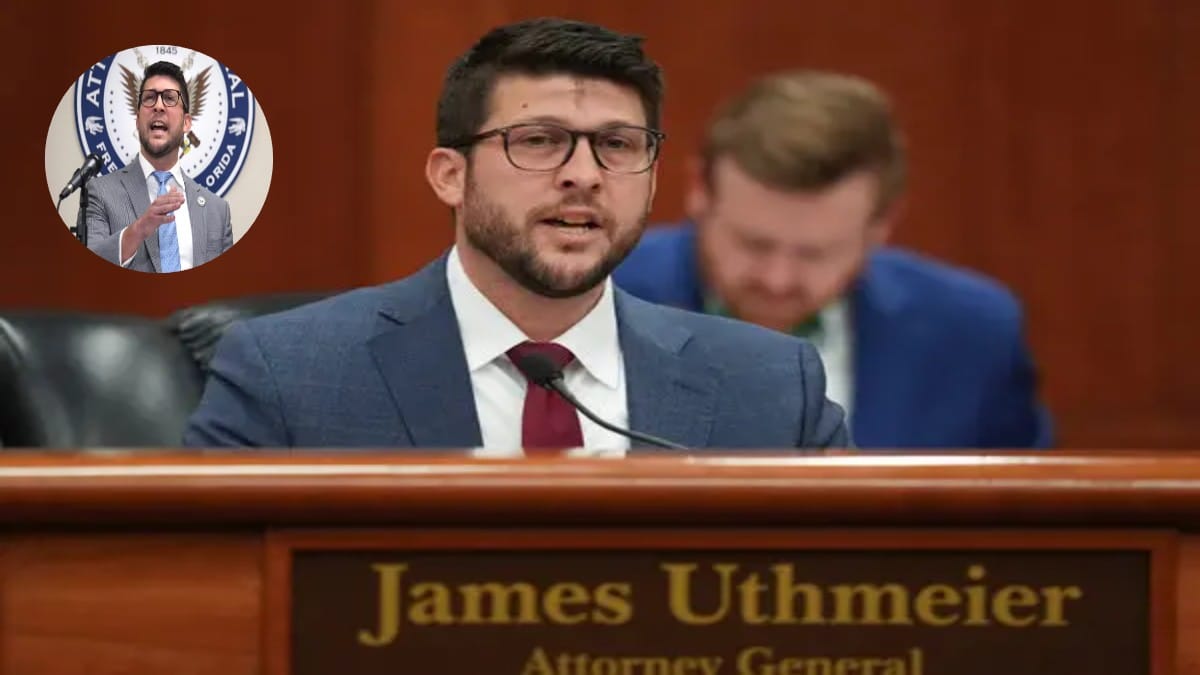
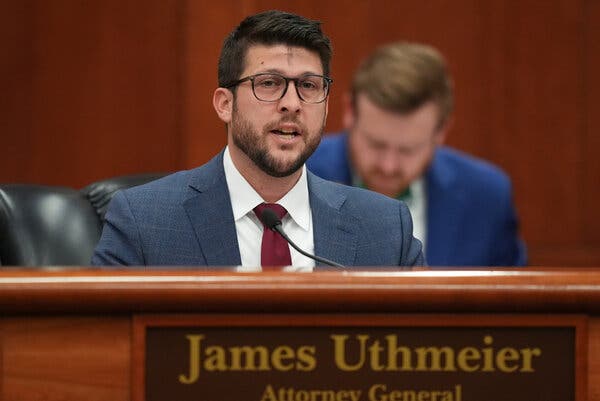
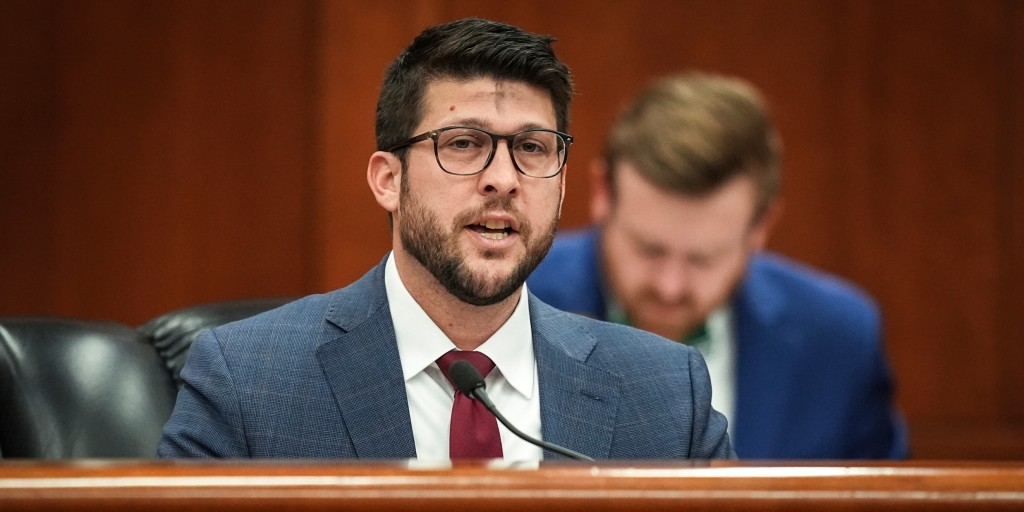
The court also directed the state’s Attorney General, James Uthmeier, to formally notify all law enforcement agencies about the TRO.
Initially, the Attorney General’s office complied with this order.
They sent out a notification regarding the court’s ruling.
The AG’s Counter-Move
However, days later, Attorney General Uthmeier sent a follow-up letter to law enforcement.
This subsequent communication appeared to take a different stance.
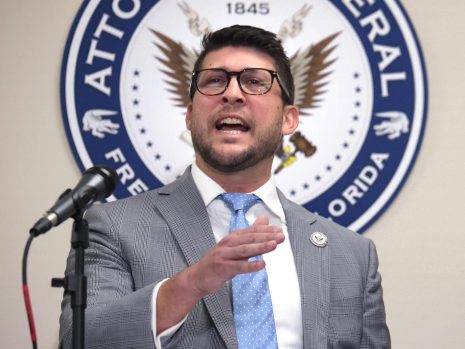
The letter stated that “no judicial order…properly restrains you from” enforcing the immigration law.
It added that “no lawful, legitimate order currently impedes your agencies from continuing to enforce” the statute.
This second letter seemed to contradict the earlier notification about the TRO’s binding effect.
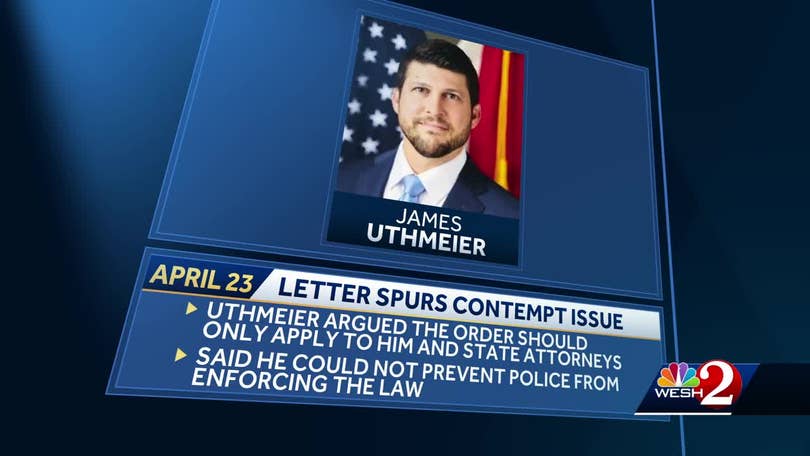
As a result of this follow-up communication, the federal court demanded that Uthmeier explain his actions.
He was ordered to show cause why he should not be held in contempt of court or sanctioned for violating the TRO and the court’s instructions to properly inform law enforcement.
A Stand Taken
Attorney General Uthmeier has remained defiant, framing the legal challenge as a defense of principle.
“If being held in contempt is what it costs to defend the rule of law and stand firmly behind President Trump’s agenda on illegal immigration, so be it,” Uthmeier stated in a post on X following the development.
He views the court’s intervention as an overreach, arguing that the state has the authority to enforce its own laws.
State officials maintain that they are fighting to uphold Florida’s sovereignty in the face of federal inaction on border security.
The Judge’s Ruling
Following Uthmeier’s response to the show cause order, the court issued its determination.
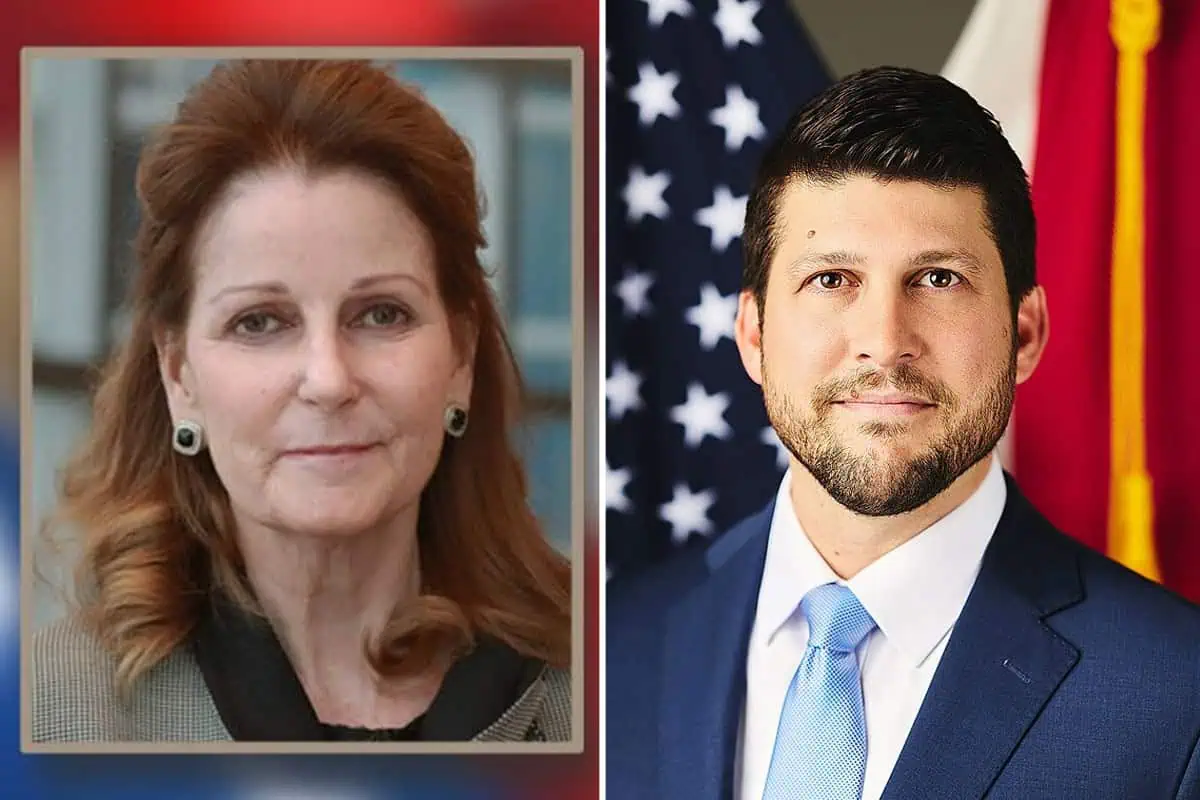
U.S. District Judge Kathleen Williams found Attorney General James Uthmeier to be in civil contempt of court.
The judge’s ruling specifically cited the April 18 order requiring notice to law enforcement about the TRO’s binding nature.
The court’s opinion noted that litigants cannot simply redefine terms to suit their purposes.
As a consequence of being held in contempt, the court ordered Uthmeier to file bi-weekly reports.
These reports must detail any arrests, detentions, or law enforcement actions taken under the state’s immigration law prohibiting undocumented immigrants from entering Florida.
The first of these reports is due by July 1.
The order also mandates that if any arrests *are* made under the law, the court must be notified about the specific details.
This legal standoff highlights the ongoing tension between state and federal authority regarding immigration enforcement.