Federal Judge Weighed Ordering Plane Carrying Deported Migrants to Turn Around
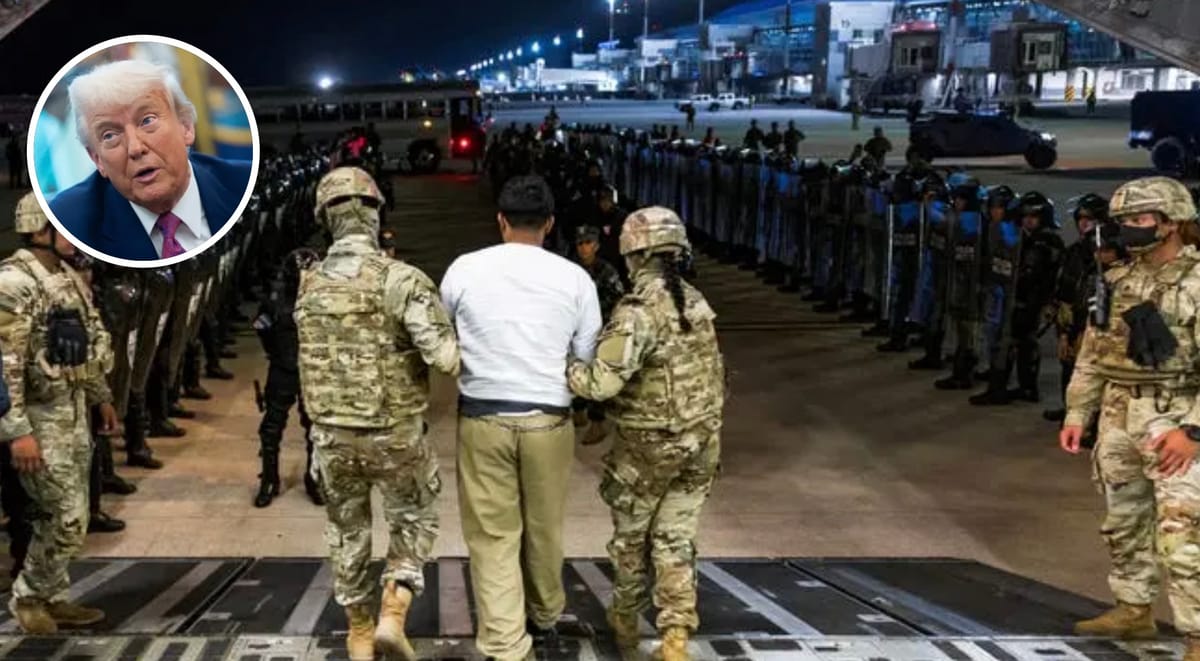
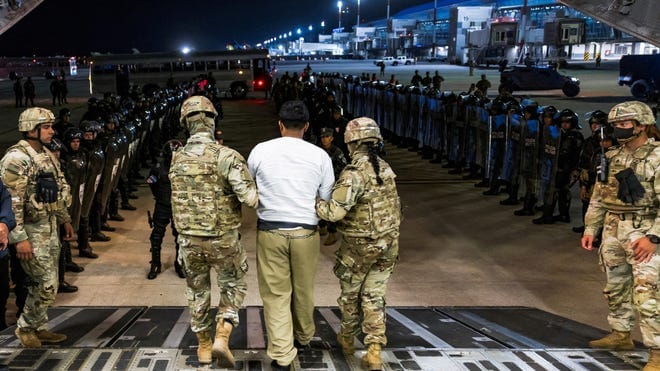
Could a flight carrying deportees actually be told to reverse course mid-air?
That extraordinary question arose in a courtroom this week, potentially stemming from complex immigration enforcement actions.
Advocates for migrant rights have raised serious concerns regarding recent deportations.
They allege that certain individuals were sent to South Sudan, despite not being from that nation.
According to reports, this move potentially conflicted with a standing court order.
The order was issued by US district judge Brian Murphy.
It generally barred the rapid deportation of migrants to countries other than their homeland without first considering any potential fears of torture or persecution.
Lawyers for some migrants claimed they learned that nearly a dozen individuals held in a Texas facility were flown to South Sudan on Tuesday morning.
They argued this action violated Judge Murphy’s previous directive.
One case highlighted involved an individual from Myanmar, identified in court documents by initials.

His lawyer reportedly received notification of the deportation intent only the day before.
Furthermore, court documents suggested this individual, who had limited English skills, did not sign the removal notice.
It was reportedly provided only in English, which advocates argued was contrary to a prior court requirement.

The lawyers later stated they learned their client had been flown out.
Separately, the spouse of a Vietnamese man held at the same facility reportedly emailed lawyers, indicating her husband and ten others were also deported.
These allegations led to an urgent court filing by the migrants’ legal representatives.
They sought an emergency order to halt removals and potentially secure the return of those already sent out.
Their filing reportedly referenced a recent Supreme Court case concerning a man wrongly deported, suggesting return could be “imminently reasonable – and necessary.”

South Sudan is a country that has faced significant challenges since gaining independence in 2011.
It has experienced armed conflict and humanitarian crises.
The US State Department advises against travel there due to security risks.

Amidst these claims and the urgent court filing, a hastily arranged virtual hearing was held.
During this hearing, Judge Brian Murphy spoke with a lawyer representing the government’s Department of Justice.
The judge indicated that the potential violation of his earlier order was a matter of grave concern.

He explicitly raised the possibility that it might constitute criminal contempt.
Crucially, Judge Murphy stated that he was actively weighing whether to issue an order.
This order could potentially command a plane carrying the migrants towards the African country to turn around and return.
At the time of reporting, the Department of Homeland Security had not immediately responded to requests for comment regarding the situation or the advocates’ claims.
The legal process regarding these deportations and the alleged court order violation remains ongoing.