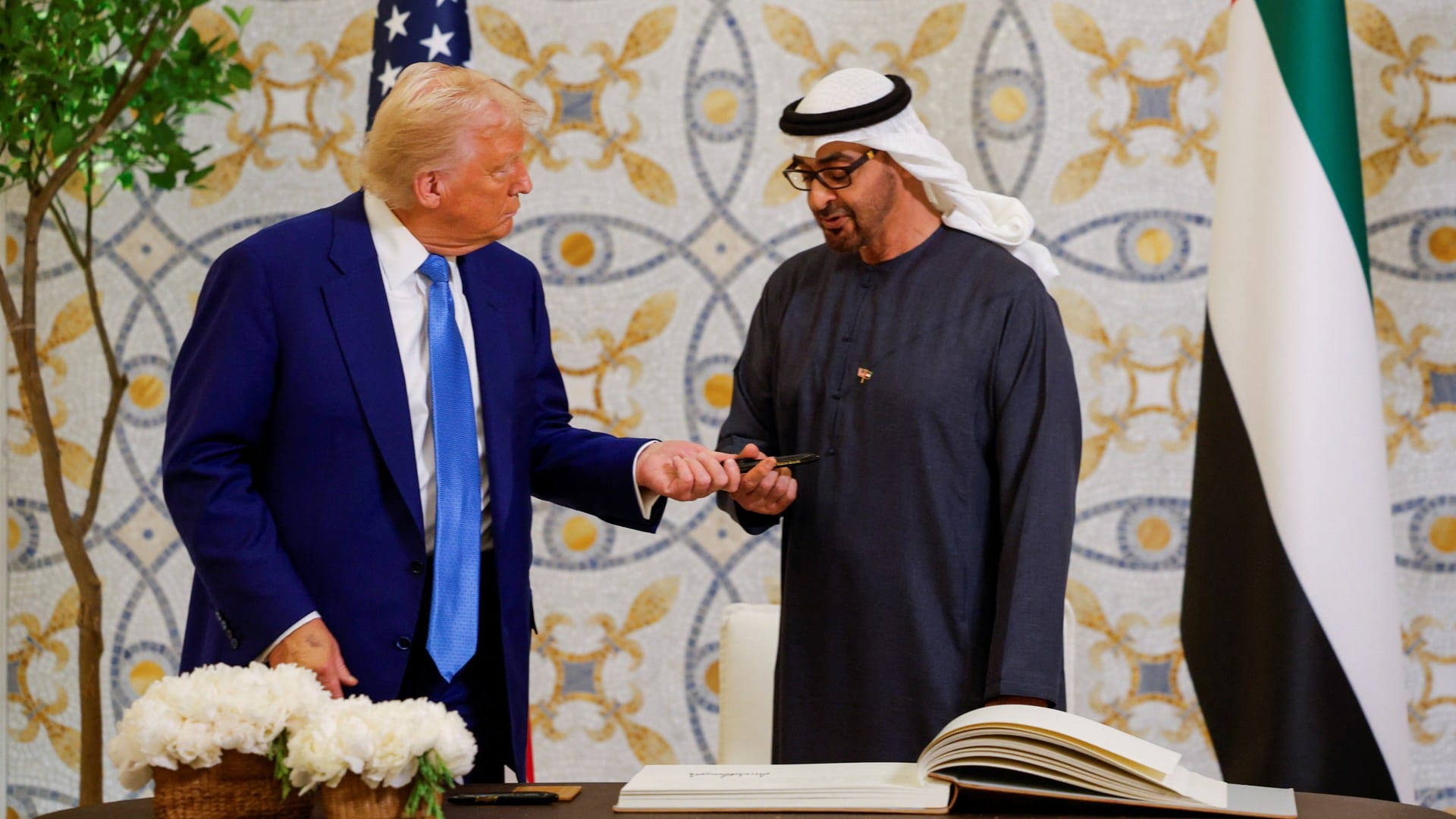
Experts warn Trump White House put ‘for sale sign’ on foreign policy over lavish gifts
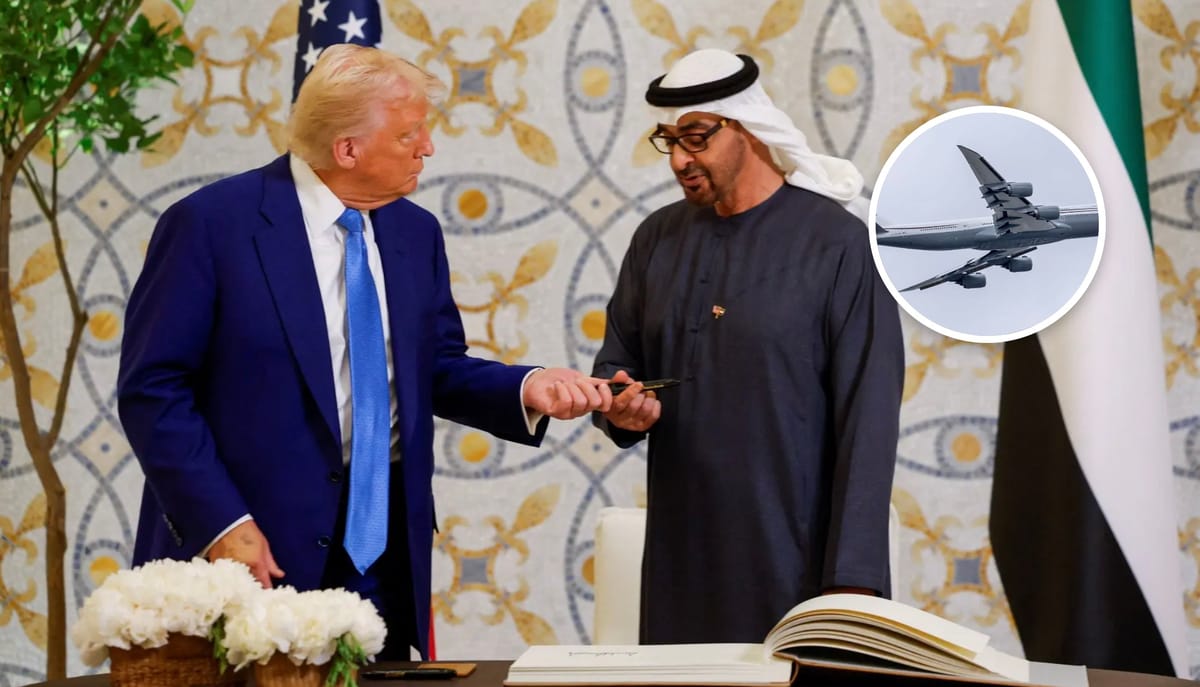
Allegations are flying.
Critics are sounding the alarm over President Trump’s recent foreign trips and financial dealings.
Allegations Emerge After Overseas Engagements
Following a series of significant diplomatic engagements abroad, including trips to Gulf states, the White House’s approach to foreign policy is under intense scrutiny.
These trips featured extensive deal-making, which President Trump has touted as a cornerstone of his “America First” agenda, prioritizing economic benefits for the United States.
However, critics, including former White House lawyers and foreign affairs experts, have voiced concerns.
They claim the level of overseas gifts and targeted investments directed towards individuals linked to the President is “very disturbing” and potentially unprecedented.
These critics argue that the administration is remaking US foreign policy under what they describe as a “pay-for-access code.”
This, they contend, could violate the US constitution, particularly concerning emoluments from foreign states.

Controversy Over $400M Aircraft Offer
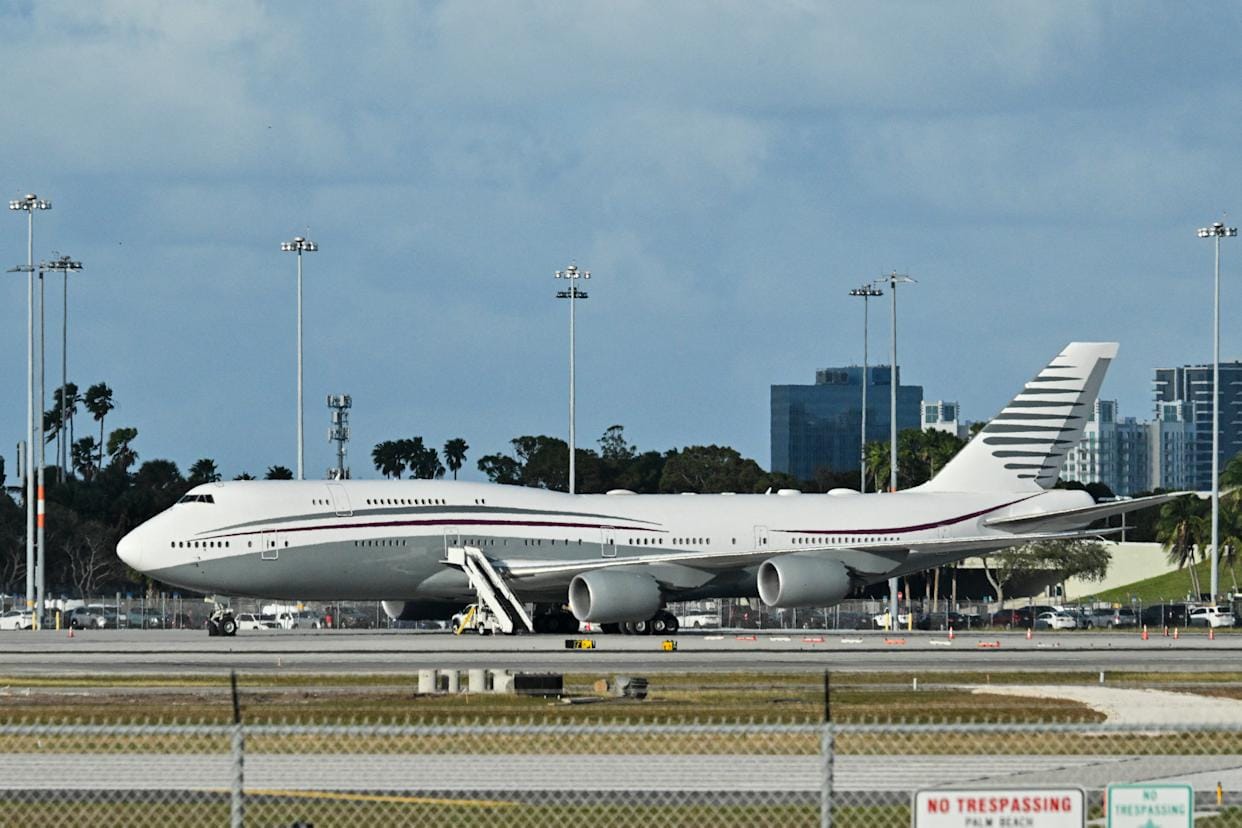
A particularly prominent point of contention is Qatar’s offer to provide the US Department of Defense with a $400 million Boeing 747-8.
President Trump reportedly suggested the aircraft could potentially serve as Air Force One or be designated for his future presidential library.
This gesture has become a lightning rod for criticism.
Democratic lawmakers and some commentators, even those typically supportive of the President, have publicly questioned the appropriateness of accepting such a valuable gift.
One critic likened it to receiving elaborate gifts from foreign monarchs, suggesting it could compromise the nation’s negotiating position.
However, the offer was made to the Department of Defense, not directly to the President, which introduces complexity into the legal analysis.
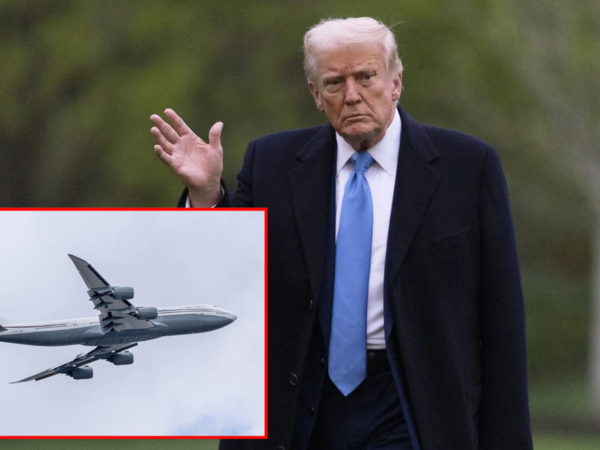
Democratic lawmakers have actively sought to block the acceptance of the jet.

Ranking Member Shaheen has been particularly vocal on the issue.

Other Investments Draw Scrutiny
Beyond tangible gifts like aircraft, significant investments have also drawn scrutiny from opponents.
Reports indicate a $2 billion investment from UAE-controlled funds into a stablecoin linked to the Trump family.
Critics allege that such financial arrangements could potentially incentivize foreign policy decisions favorable to the investors.
Concerns have also been raised about the reported increase in the Trump family’s wealth and business associates securing lucrative contracts abroad, which opponents tie to their political support for the White House.
An advisory circulated among congressional Democrats described these activities as an effort “to profit from a massive crypto scam on the American people,” a claim disputed by others.
Focus Shifts to Economic Outcomes
Amidst the controversy, the administration and its supporters emphasize the significant economic benefits derived from these foreign engagements.
They point to deals potentially worth trillions of dollars, arguing that the priority is securing investments and contracts that benefit American businesses and taxpayers under the “America First” banner.
Rather than focusing on the ethics of receiving gifts, this perspective highlights the tangible economic results of a more direct and business-oriented approach to foreign relations.
As one expert noted regarding the Gulf states, “Finally, an American administration we understand.” This suggests a shift towards a diplomatic style focused on clear economic ties and mutual benefit.
The administration views these relationships as successful in generating wealth and opportunity for the United States, putting aside what they see as traditional foreign policy hang-ups over issues like human rights to prioritize the bottom line.
Debating Legality and Precedent
The central legal question revolves around the emoluments clause, which prohibits presidents from receiving gifts from foreign states.
Critics argue that the scale and nature of the gifts and investments seen recently push the boundaries, potentially crossing into unconstitutional territory.
However, the legal interpretation, particularly concerning indirect benefits or gifts offered to government departments rather than the president personally, remains a subject of debate among experts.
Scott Amey, general counsel of the Project On Government Oversight, acknowledged the unprecedented nature but stated, “Is it allowed? I’m still uncertain.”
This legal ambiguity contrasts with the strong assertions of illegality made by some critics.
Past administrations reportedly went to great lengths to avoid even the appearance of conflicts of interest, declining even relatively minor gifts or seeking appraisals to pay market value.
A New Era of Diplomacy?
What is clear is that the current approach marks a significant departure from past norms regarding gifts and potential conflicts of interest in US foreign policy.
Former officials who previously navigated strict gift rules expressed concern, viewing these norms as fundamental to good governance.
However, proponents might argue this signals a more pragmatic, results-oriented diplomacy focused on securing direct economic benefits for the nation.
Ultimately, the debate continues between those warning of ethical breaches and constitutional concerns, and those who see a successful “America First” strategy yielding significant economic gains despite the controversy.