Experts issue new warning as shark behavior drastically shifts US coast to coast
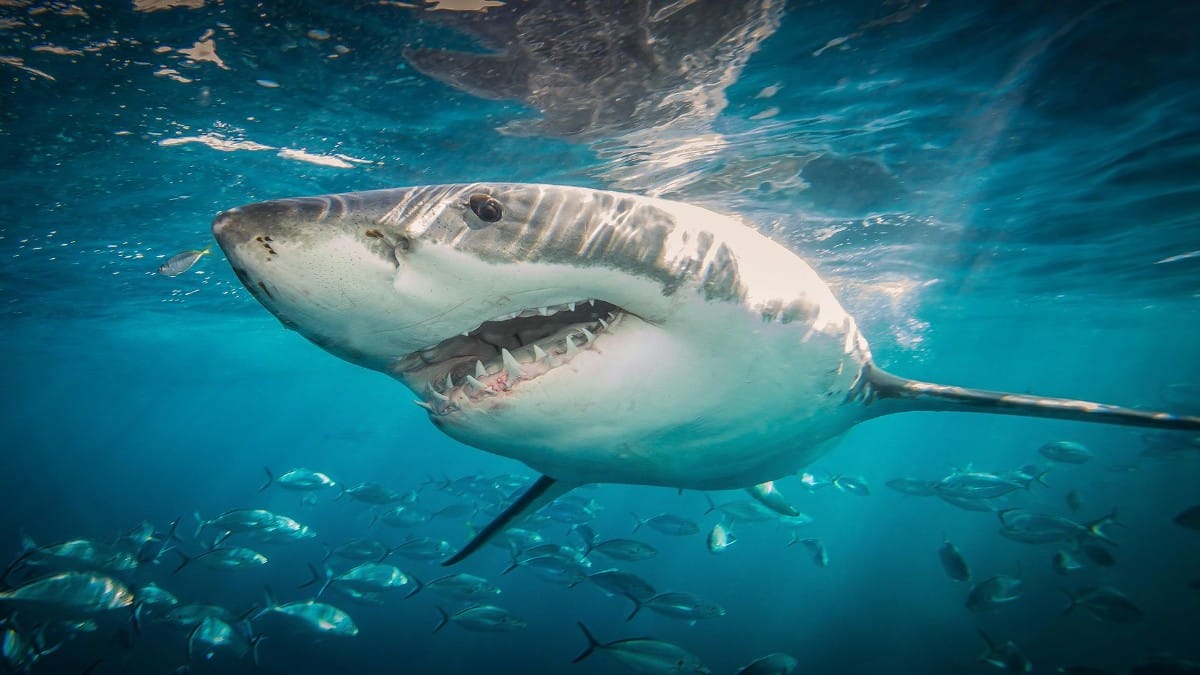
The oceans are changing, and with them, the movements of one of their most formidable inhabitants.
Something significant is happening just off America’s shores, prompting new alerts from scientists and conservationists alike.
A Summer of Sharks and ‘Jaws’ Reminders
As the iconic film “Jaws” marked its 50th anniversary, many Americans were paying tribute to sharks.
Yet, recent headlines served as stark reminders of the potential dangers.
Just recently, a swimmer was bitten on the leg in South Carolina.
Days earlier, a nine-year-old girl suffered a bite while snorkeling off Boca Grande, Florida.
Unpacking the Numbers
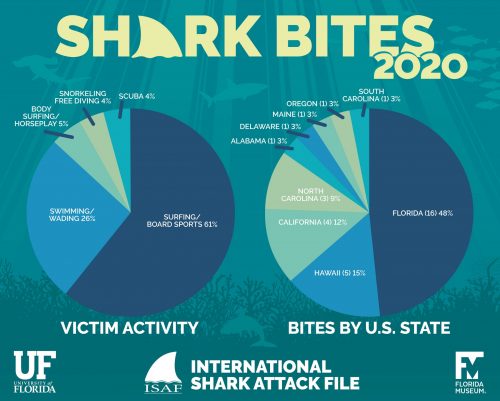
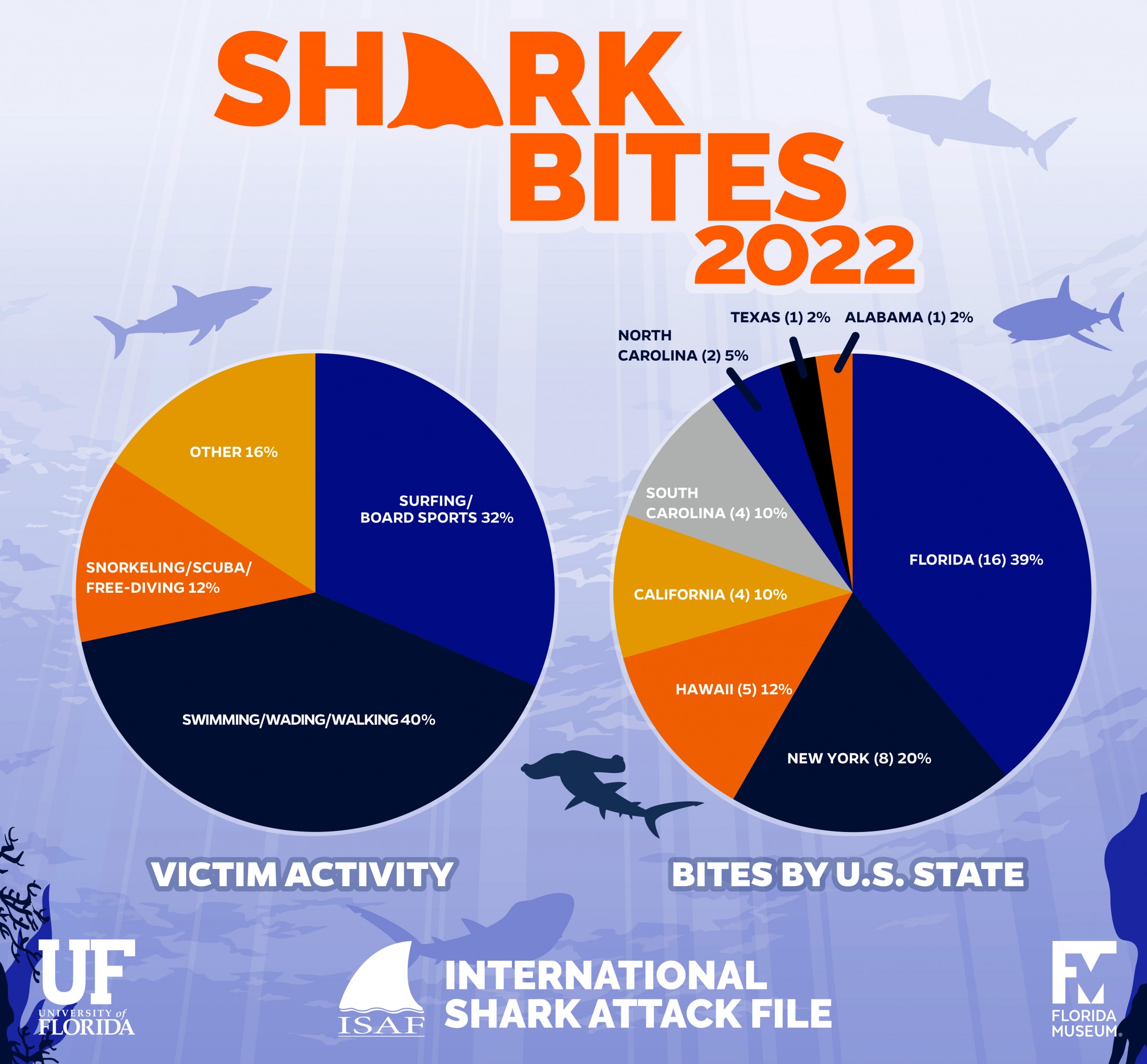
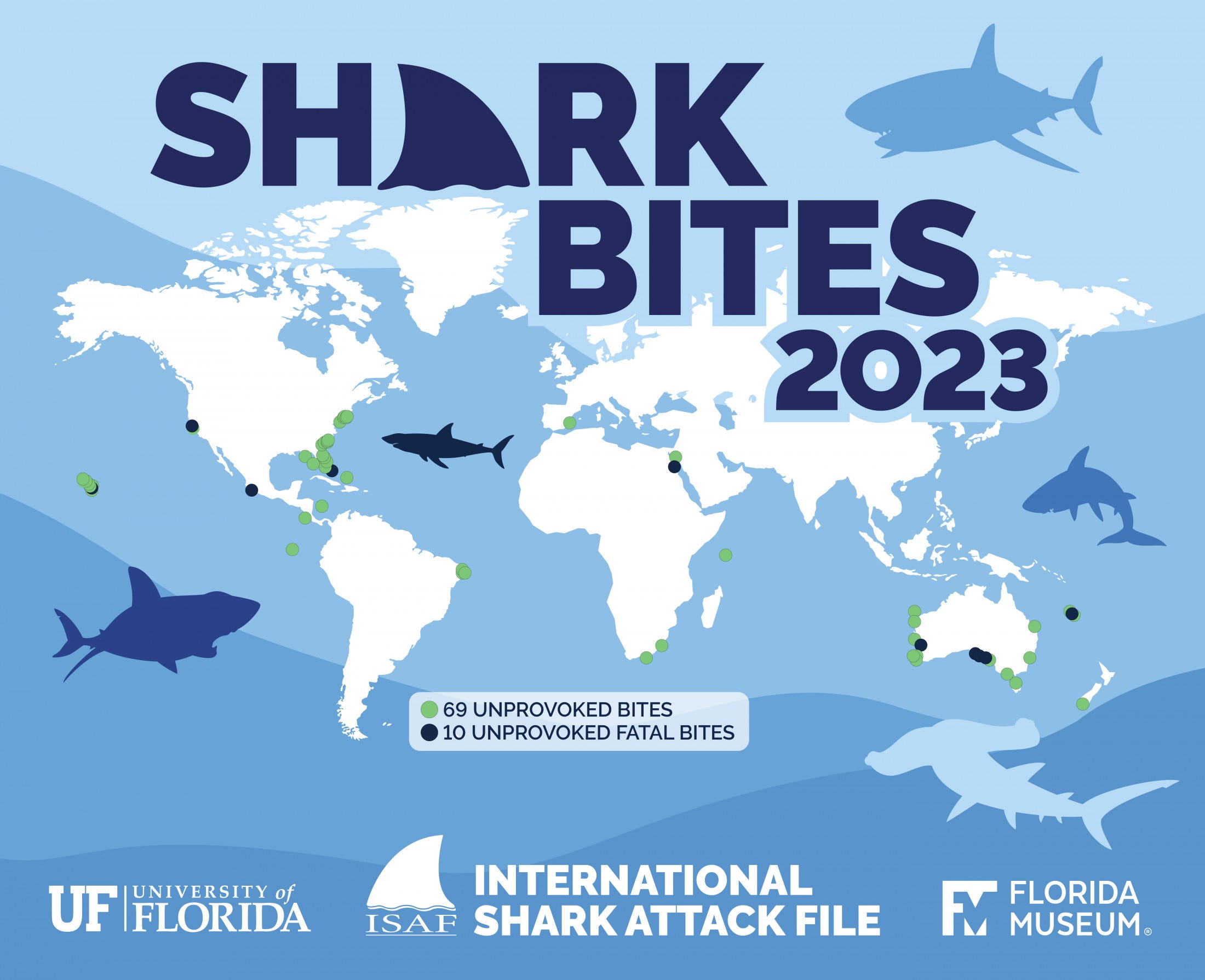
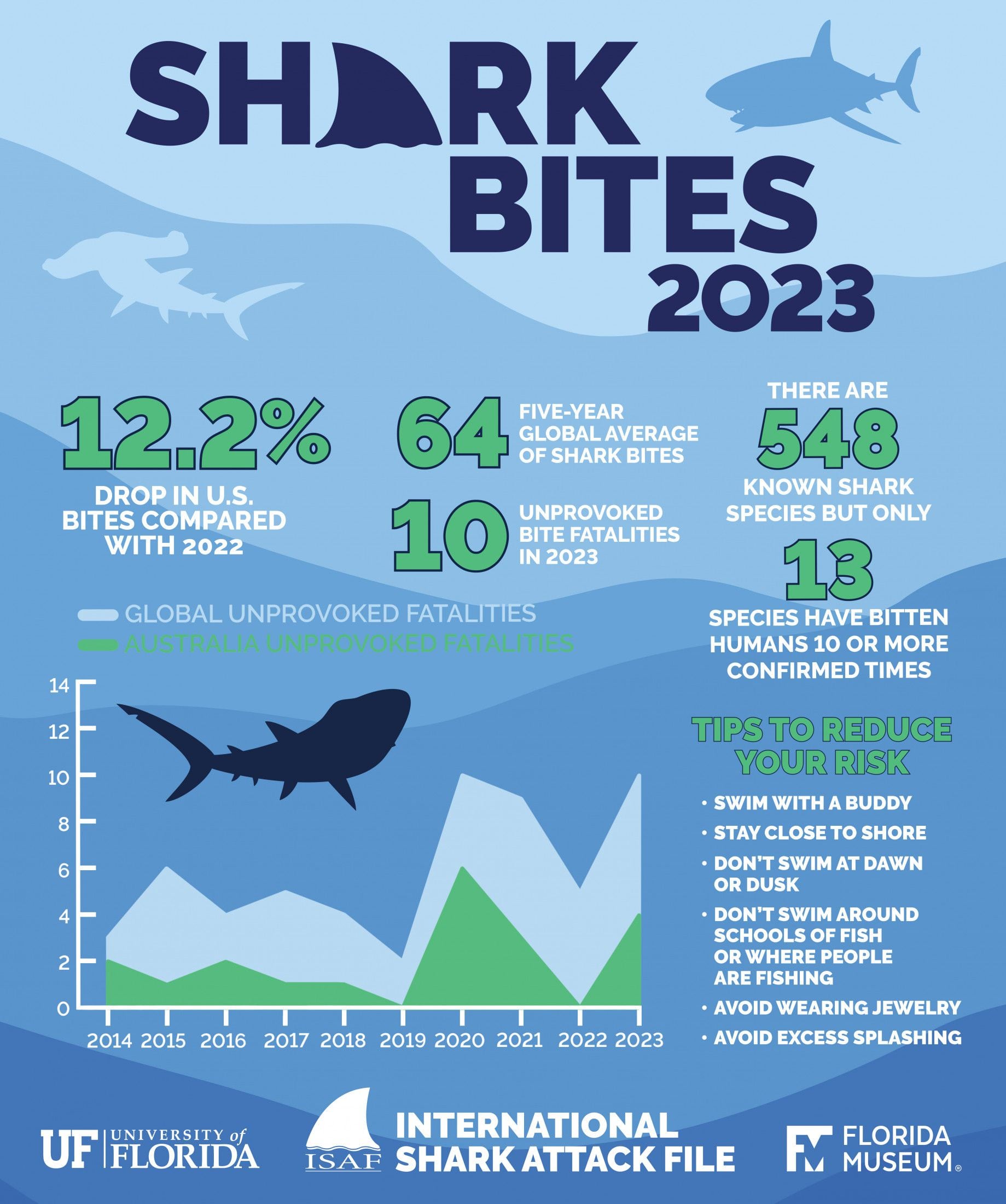
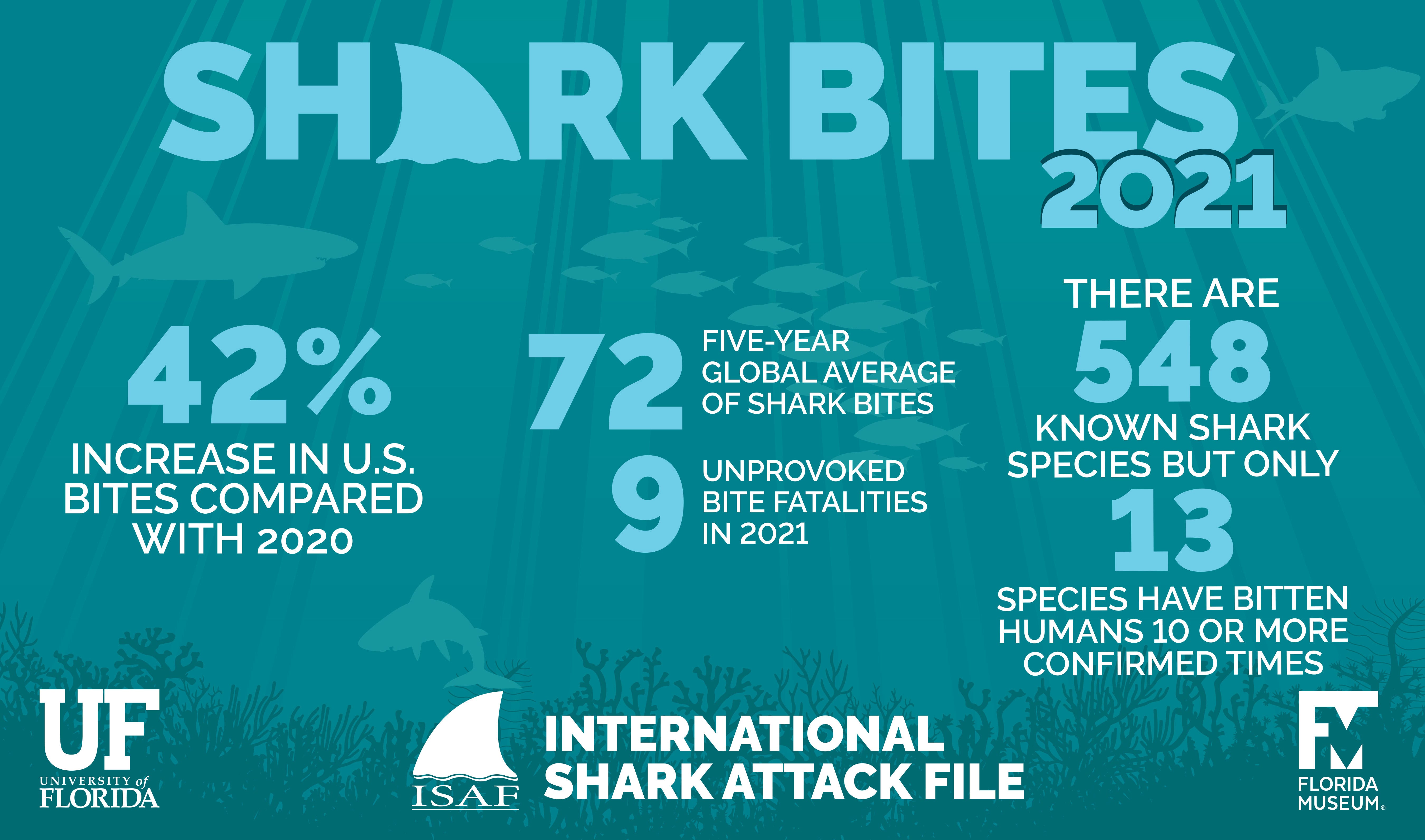
Globally, there have been 47 unprovoked shark bites so far in 2024.
A striking 28 of those occurred in the United States, according to the Florida Museum of Natural History’s International Shark Attack File (ISAF).
Historically, certain states have seen more activity.
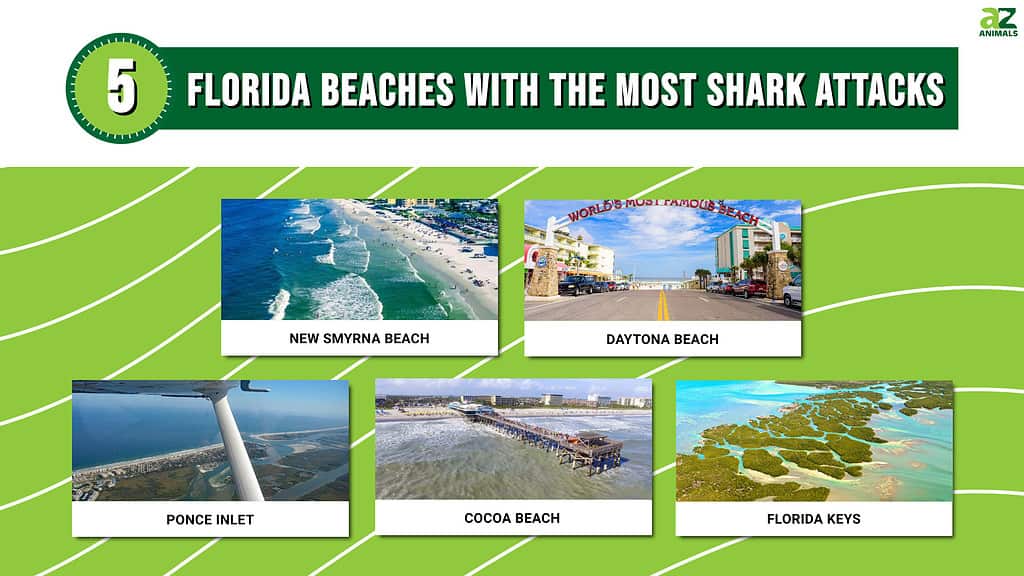
Florida beaches, for example, have logged the highest number of unprovoked bites since 1837, with a total of 942.
Hawaii follows with 199, and California with 141, based on ISAF data.
Conservation Success and Shifting Waters
Activist Julie Andersen, founder of the New York-based Shark Angels, weighed in on the recent activity.
The rise in sightings is due to a mix of factors: more people in the water, better technology, shifting ocean conditions, and in some cases, successful conservation.
She noted that better technology like drones and social media mean encounters that once went unnoticed are now widely shared.
Sharks have always been there. We’re just seeing them more often.
Andersen highlighted that in areas like California or Cape Cod, Massachusetts, white shark populations are recovering due to conservation efforts.
Their return is often seen as a positive sign for overall ocean health.
However, the balance remains delicate, with an estimated 274,000 sharks killed globally each day.
Paying Tribute to the Ocean’s Apex Predators
Amid the discussions of safety and statistics, some are actively working to change the narrative around sharks.
One endurance athlete is undertaking a monumental task: swimming 62 miles around Martha’s Vineyard, where “Jaws” was filmed.
Lewis Pugh aims to raise awareness for shark protection and challenge public perception.
It was a film about sharks attacking humans and for 50 years, we have been attacking sharks… It’s completely unsustainable. It’s madness. We need to respect them.
Understanding the Shift
According to experts like Andersen, the trends observed over recent years point to a clear change in shark behavior patterns.
Based on trends over the past few years, shark behavior is clearly shifting.
This isn’t just localized; it’s happening across significant stretches of coastline.
Sightings are reportedly increasing in new and noteworthy areas.
Specifically, places like California, Cape Cod, the Carolinas, Florida, and even parts of Baja, Mexico, are seeing higher numbers of sharks this summer.
Andersen pointed out that New Smyrna Beach in Volusia County, Florida, still holds the unfortunate title of ‘shark bite capital of the world’.
However, many bites there are minor, often from smaller blacktip sharks mistaking extremities for bait fish.
Understanding these shifts is key for beachgoers.
Staying Safe: Expert Tips
If you find yourself encountering a shark in the water, experts offer practical advice:
- Stay calm. Do not panic.
- Make and maintain eye contact. When they know you see them, they are less likely to approach.
- Avoid quick, erratic movements like flailing or yelling.
- Move slowly and steadily towards shore or safety, keeping eyes on the shark.
- Do not act like prey.
- Give the shark space and stay composed.
Sharks, experts emphasize, are not typically seeking human meals.
As oceans continue to change, understanding and respecting marine life is more crucial than ever.