Expert Warns Anti-Trump Protests Not Spontaneous Orchestrated By Democrats
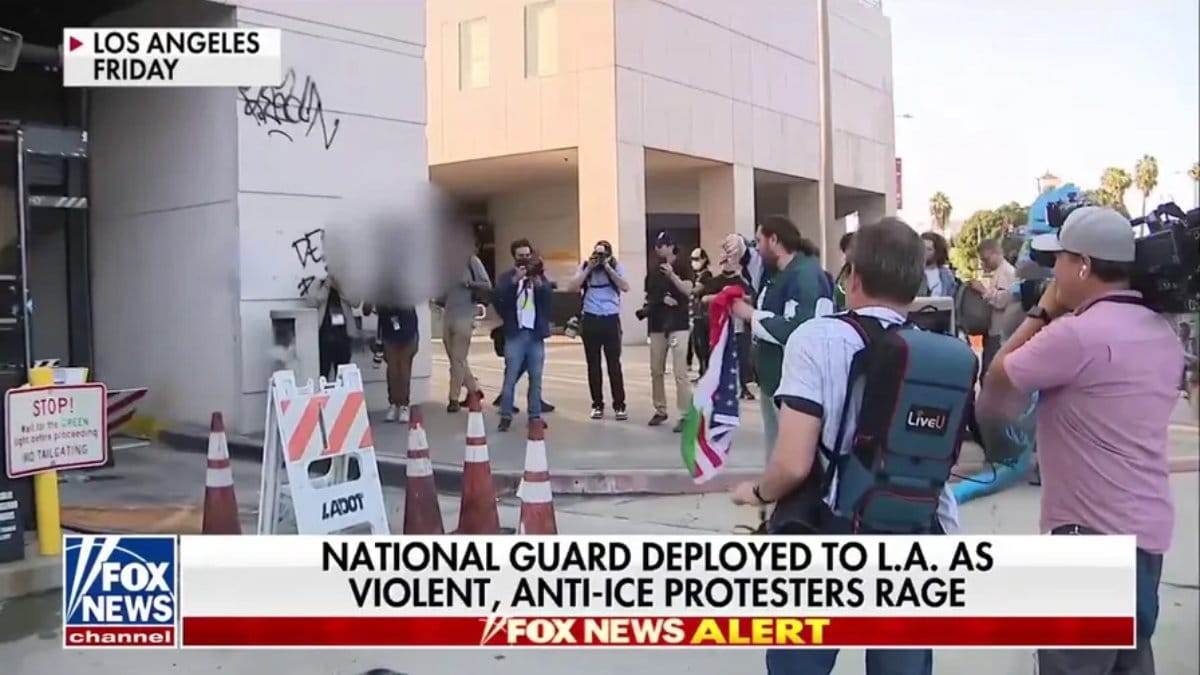
What if those street protests weren’t quite what they seemed?
A shocking investigation suggests a massive, well-funded machine is operating behind the scenes.
Investigating the ‘Protest Industry’
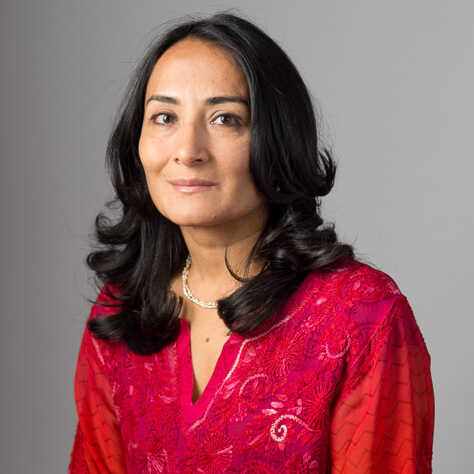
Journalist Asra Q. Nomani, founder of the Pearl Project, has spent years investigating the complex forces driving political movements.
Inspired by her friend Daniel Pearl, who was tragically murdered by militants, Nomani focuses on how ideology and identity politics can manifest in activism.
Her work has previously explored the intersection of radicalism and activism within institutions.
Now, she’s turned her attention to the wave of anti-Trump demonstrations.
A Seemingly Spontaneous Uprising?
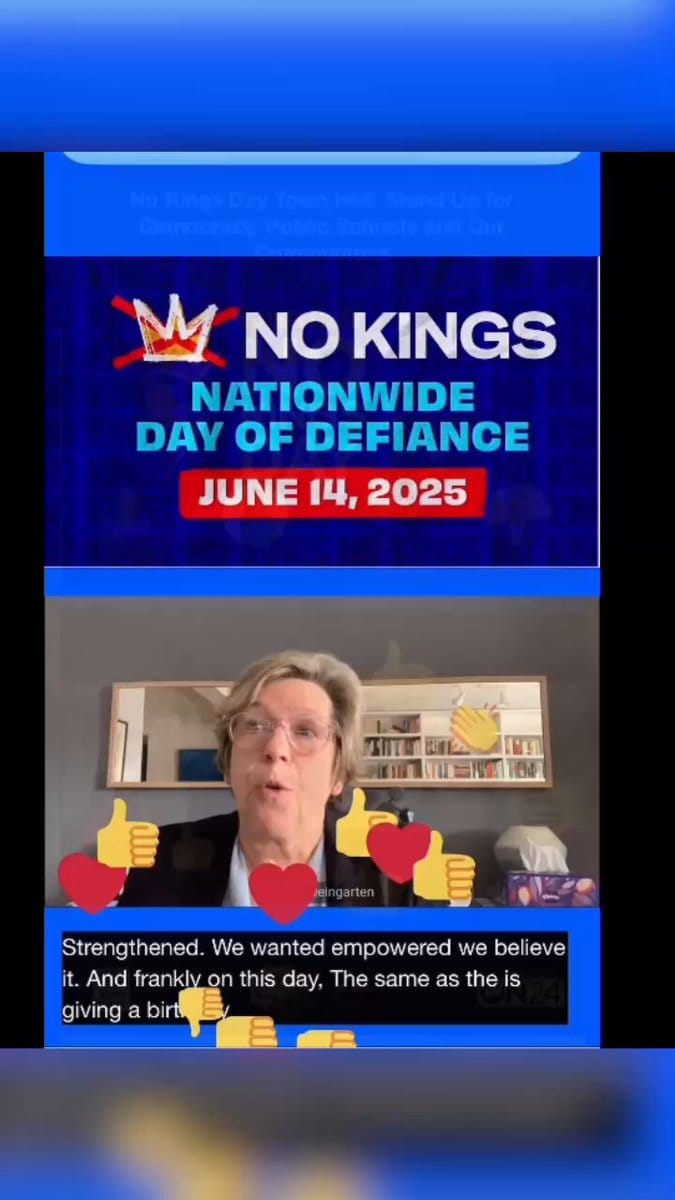
Nomani’s focus was drawn to events like the recent #NoKings protest, discussed openly by prominent figures like a teachers’ union president, a governor, and political operatives.
These leaders framed the upcoming protests as a widespread stand against President Donald Trump, even in areas with strong Republican support.
They promoted it as a unified effort across different political beliefs.
But Nomani’s investigation suggests a very different reality behind the scenes.
Connecting the Dots on Prior Demonstrations
Nomani has tracked numerous anti-Trump protests since 2017, labeling the activity a “resistance.”
She’s investigated recent events like #TeslaTakedown, #HandsOff, and #MayDay demonstrations.
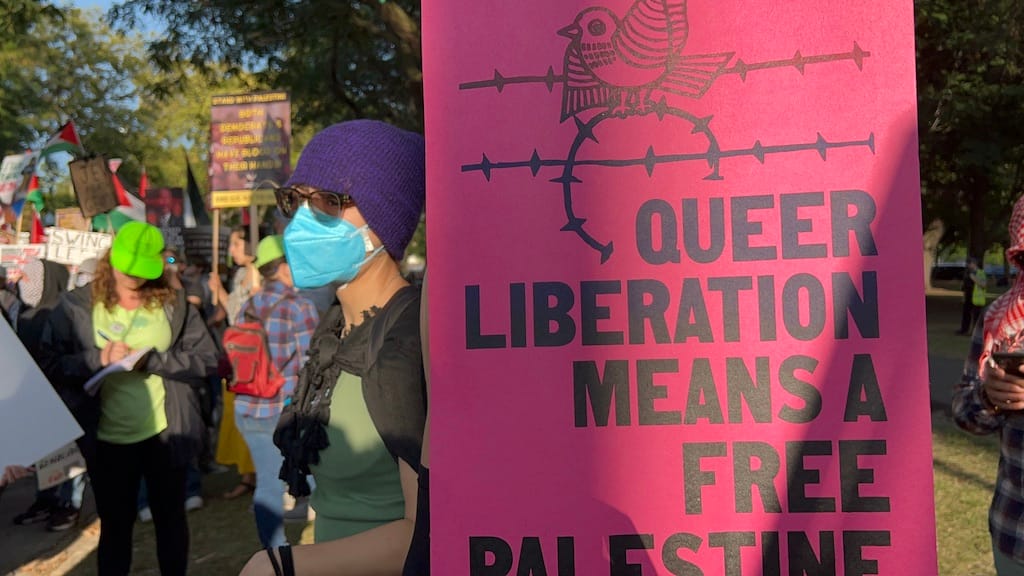
Her research indicated that many of these protests involved groups with significant funding and organizational capacity.
The findings paint a picture of highly coordinated efforts, rather than purely organic outbursts of citizen frustration.
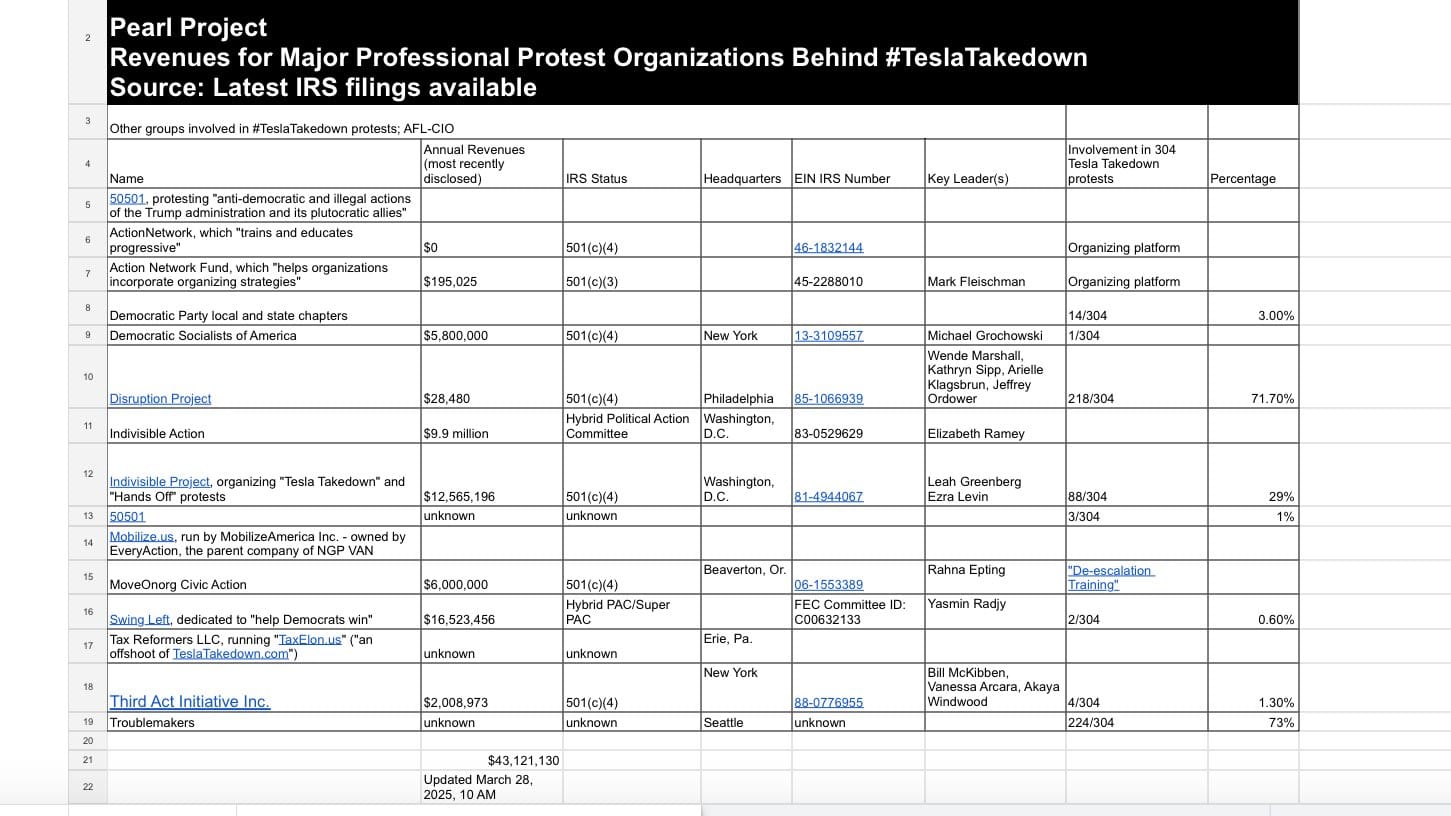
The #NoKings event appears to be the latest example in this pattern.
The Staggering Numbers Behind the Movement
According to the Pearl Project’s findings, the #NoKings protest involves an estimated 198 groups.
These groups are reportedly all aligned with the Democratic Party.
Many operate as tax-exempt “nonpartisan” nonprofits, despite their partisan alignment.
The collective annual revenue of these specific groups totals a staggering $2.1 billion.

This includes Democratic party entities, PACs, labor unions with massive revenues ($1.1 billion combined), and political nonprofits ($734.3 million).
Even 501(c)(3) nonprofits, legally restricted from partisan advocacy, are listed as partners, controlling $286.7 million.
Overall, Nomani’s research identified about 465 groups aligned with the Democratic Party organizing anti-Trump protests since January, with combined revenues reaching $3.4 billion.
This dwarfs the idea of a small, grassroots resistance.
Beyond funding, evidence points to detailed organization.
Materials show sophisticated digital asset management, brand guides, color palettes, fonts, and comprehensive toolkits for protest hosts.
Instructions include messaging, tactics, sample agendas, and tips on media attention.
The scale and professionalism suggest these are not amateur operations.
“Most certainly, this week’s protests and the protests coming up are not an organic, citizen-led ‘resistance.’ This is top-down political warfare, branded as grassroots activism but actually an AstroTurf political operation,” Nomani states.
Researcher Lissa Kenkel, who assisted with the data, highlights the irony.
“The very people bankrolling and leading these so-called grassroots movements are the crowned royalty of the non-profit world, sitting in their air-conditioned offices, collecting six-figure salaries… It’s manufactured chaos, sold as revolution,” she commented.
Salaries cited for leaders in some partner organizations reportedly reach high six or even seven figures.
This investigation suggests that what appears as spontaneous public outrage may, in fact, be a carefully constructed political operation.
The findings challenge the narrative of organic citizen resistance, portraying it instead as a well-funded, orchestrated political campaign.