DHS Blocks Access to Immigration Centers After Lawmakers Arrested and Forced to Ground
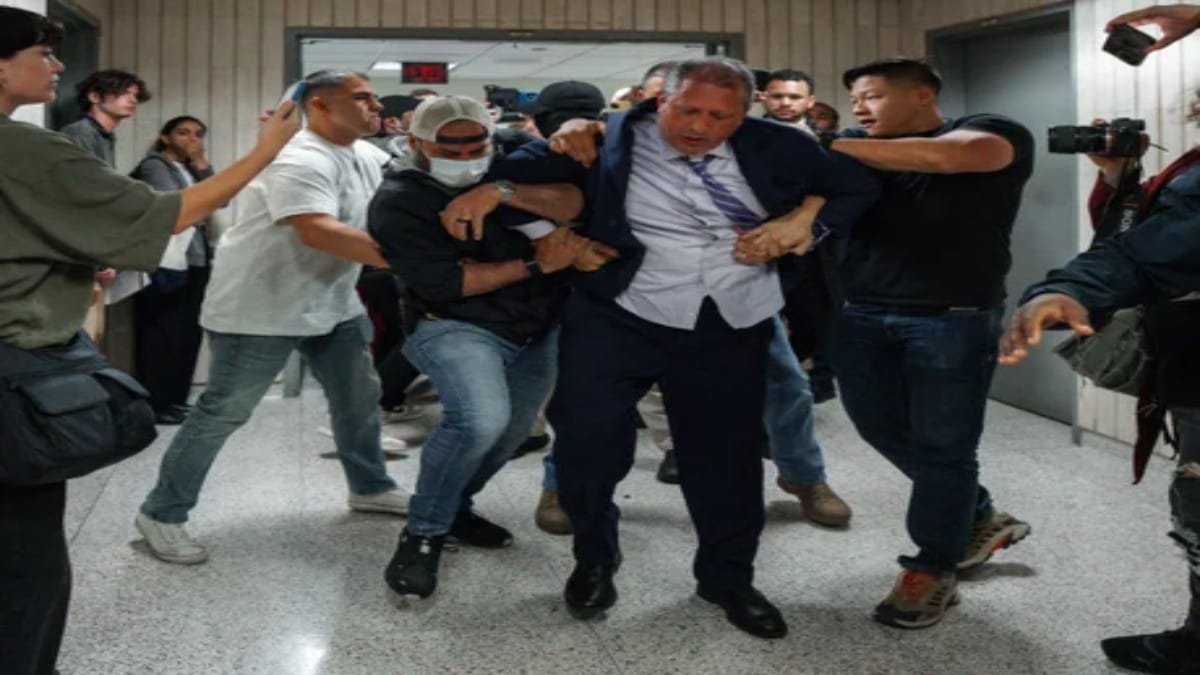
Recent events involving elected officials attempting to visit immigration facilities have taken a dramatic turn.
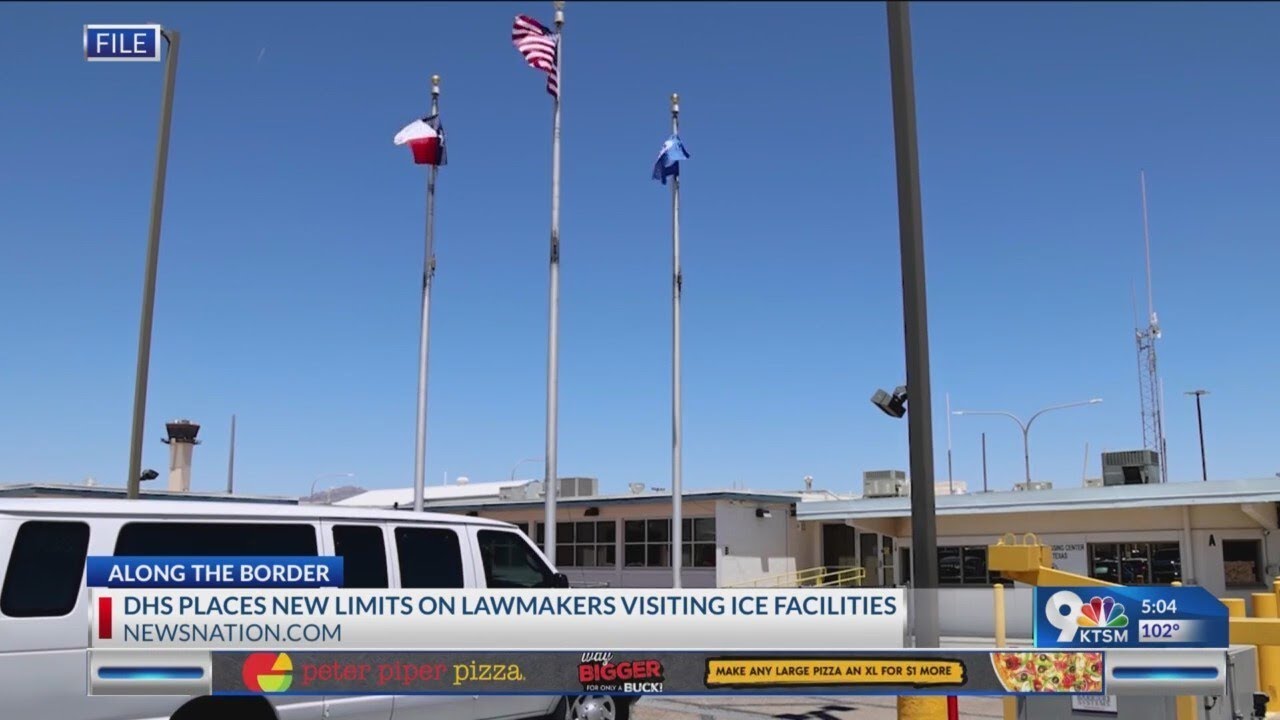
New rules from the Department of Homeland Security are now reshaping how and when these visits can occur.
Understanding the New Procedures
The Department of Homeland Security has issued new guidance concerning visits by lawmakers to facilities housing migrants.
Under the updated policy, elected officials are now being asked to provide 72 hours of advance notice before attempting to visit detention centers.
This change comes amidst a period marked by several high-profile and sometimes tense interactions between lawmakers and federal personnel at these sites.
The guidance also draws a distinction between ICE detention facilities and ICE field offices, stating that field offices do not fall under the same visitation requirements outlined in previous legislation.
While federal law previously indicated lawmakers were not required to give prior notice for inspecting facilities used to detain aliens, the new DHS guidance notes that ICE “will make every effort to comply with the law” but adds that “exigent circumstances (e.g., operational conditions, security posture, etc.) may impact the time of entry.”
A Series of Challenging Encounters
The updated guidance follows a period that saw multiple incidents during attempted lawmaker visits.
In one notable event last month in Newark, New Jersey, Representative LaMonica McIver and Newark Mayor Ras Baraka faced legal issues during a visit.
Representative McIver was charged with assaulting federal agents, while Mayor Baraka was charged with trespassing. Both called the charges politically motivated.
Mayor Baraka’s charges were later dropped, and he has reportedly filed a lawsuit related to his arrest.
New Jersey Representative Bonnie Watson Coleman, also present during the Newark incident, disputed the claims of lawmakers assaulting officers.
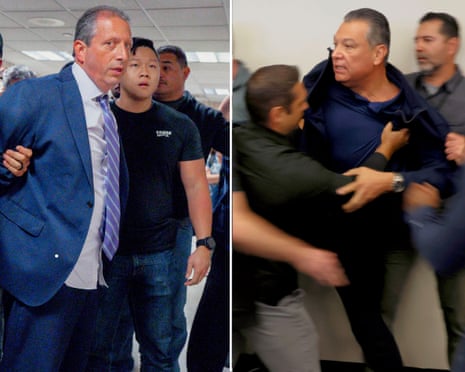
Earlier this month in Los Angeles, California, Senator Alex Padilla was involved in a physical encounter with law enforcement personnel during a press conference.
Despite identifying himself, Senator Padilla was reportedly handcuffed and forced to the ground, an incident that drew widespread attention.
DHS Secretary Kristi Noem later stated she did not recognize the Senator at the time and that he had not requested a meeting beforehand.
Other incidents include Illinois Representatives Raja Krishnamoorthi and Jonathan Jackson reportedly being denied entry to an ICE facility in Chicago on Tuesday.
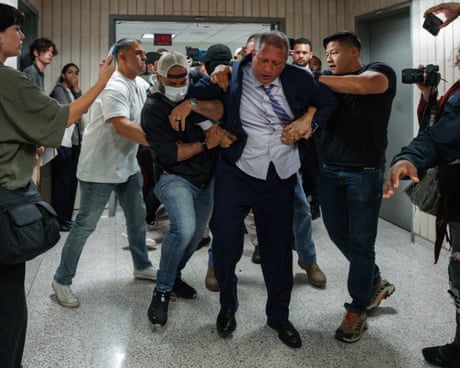
That same day in New York City, Comptroller and mayoral candidate Brad Lander was arrested by federal agents near a courtroom, with authorities claiming he assaulted and impeded officers – accusations Lander denies.
Charges against Comptroller Lander were later dropped, with New York Governor Kathy Hochul describing the arrest in strong terms.
Just a day later, New York Representatives Dan Goldman and Jerry Nadler were reportedly refused entry to ICE facilities in Manhattan, despite having requested a visit in advance.
These numerous events have created a complex environment surrounding the oversight responsibilities of elected officials and the operational realities faced by federal agencies.

Perspectives on the Policy Shift
The new DHS guidance has elicited varied reactions.
Mississippi Representative Bennie Thompson, the ranking member on the House Homeland Security committee, characterized the policy as an attempt to hinder oversight.
“Kristi Noem’s new policy to block congressional oversight of Ice facilities is not only unprecedented, it is an affront to the constitution and federal law,” Thompson stated, also criticizing the restriction on visiting field offices. “This unlawful policy is a smokescreen to deny member visits to Ice offices across the country… DHS pretending otherwise is simply their latest lie.”
However, federal agencies managing these facilities often cite the need for structured visits to maintain security and ensure smooth operations.
Unannounced or disruptive entries can potentially pose safety concerns for personnel, residents, and the visitors themselves, particularly in secure environments.
The sheer volume and complexity of managing the nation’s immigration facilities require careful coordination.
Ensuring appropriate staff are available, security protocols are followed, and minimal disruption is caused to daily activities are key considerations for facility operators.
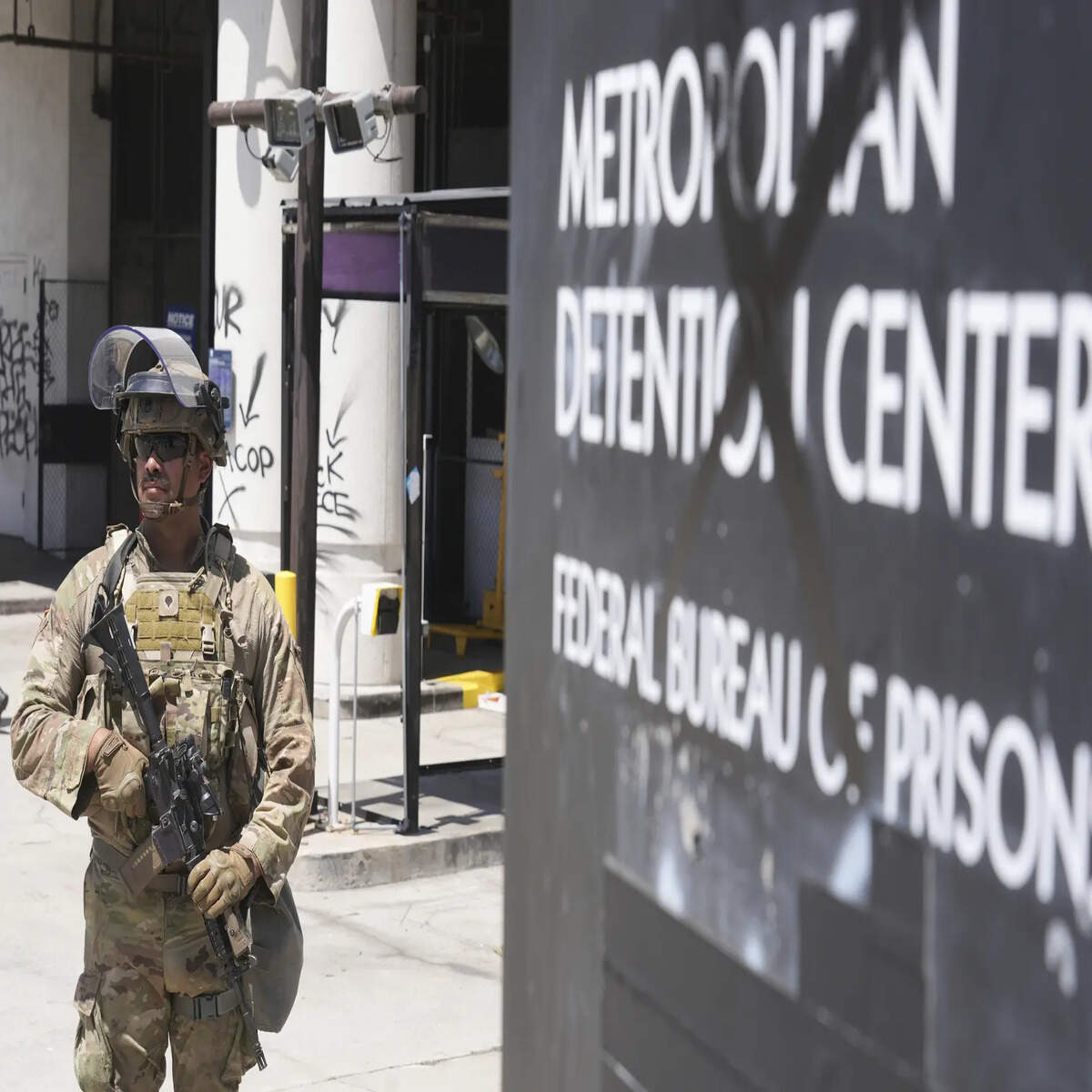
The DHS guidance appears aimed at providing a framework for managing the increasing number of visits while upholding the operational integrity and security posture of the facilities.
While lawmakers emphasize their oversight role, the agency highlights the practical necessities of running secure federal sites.
The implementation of the 72-hour notice requirement and clarification on facility types represents the department’s approach to balancing these competing needs following a series of challenging episodes.
This new policy marks a significant procedural change in how elected officials will interact with immigration detention and field facilities moving forward.