Democrats called “embarrassing” as “far-right figures” speak out against Trump Iran action
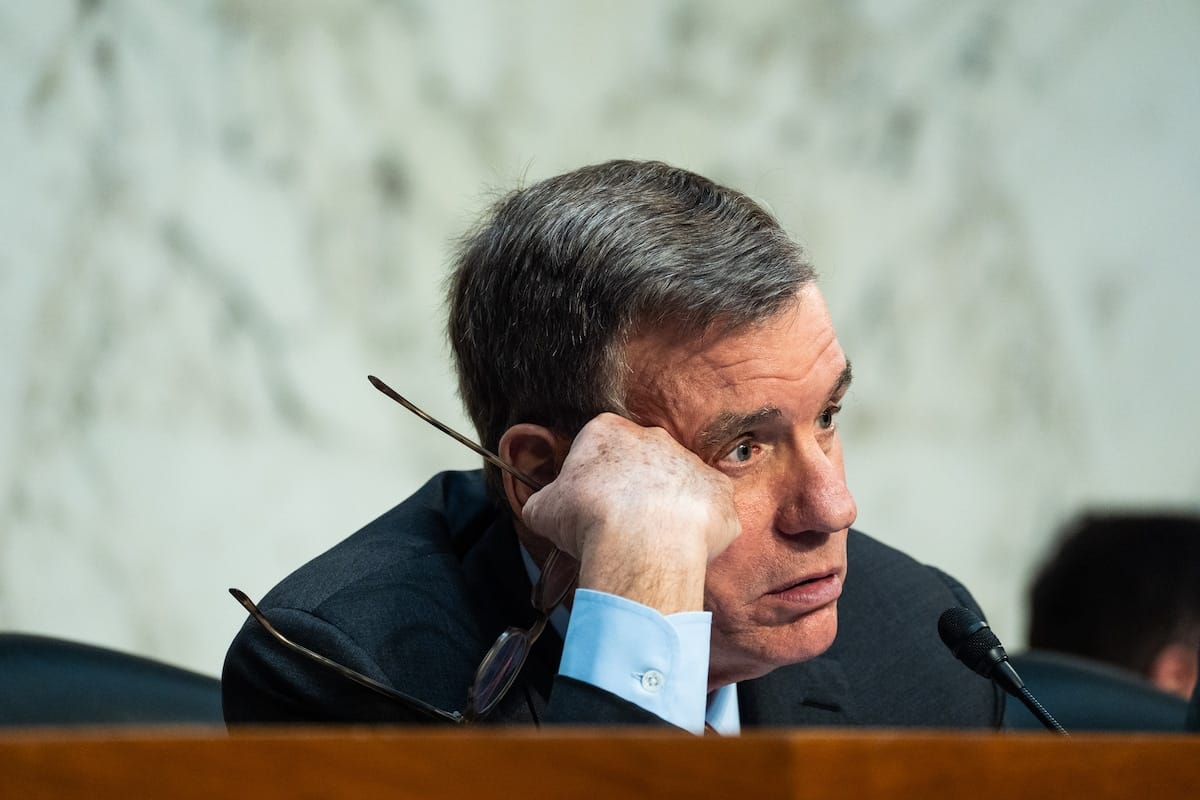
It’s a surprising turn of events.
Unexpected voices are now louder than some traditional opponents of military intervention.
Concerns Rise Over Potential Iran Conflict
Debate is intensifying over the potential for direct U.S. military involvement in a conflict with Iran.
Reports suggest President Donald Trump has considered plans related to possible action, following developments in the region.
Israel’s actions against Iran, which it describes as preemptive, have also drawn significant attention and debate.
While the U.S. intelligence community has assessed that Iran is not currently pursuing nuclear weapons, concerns about the situation persist.
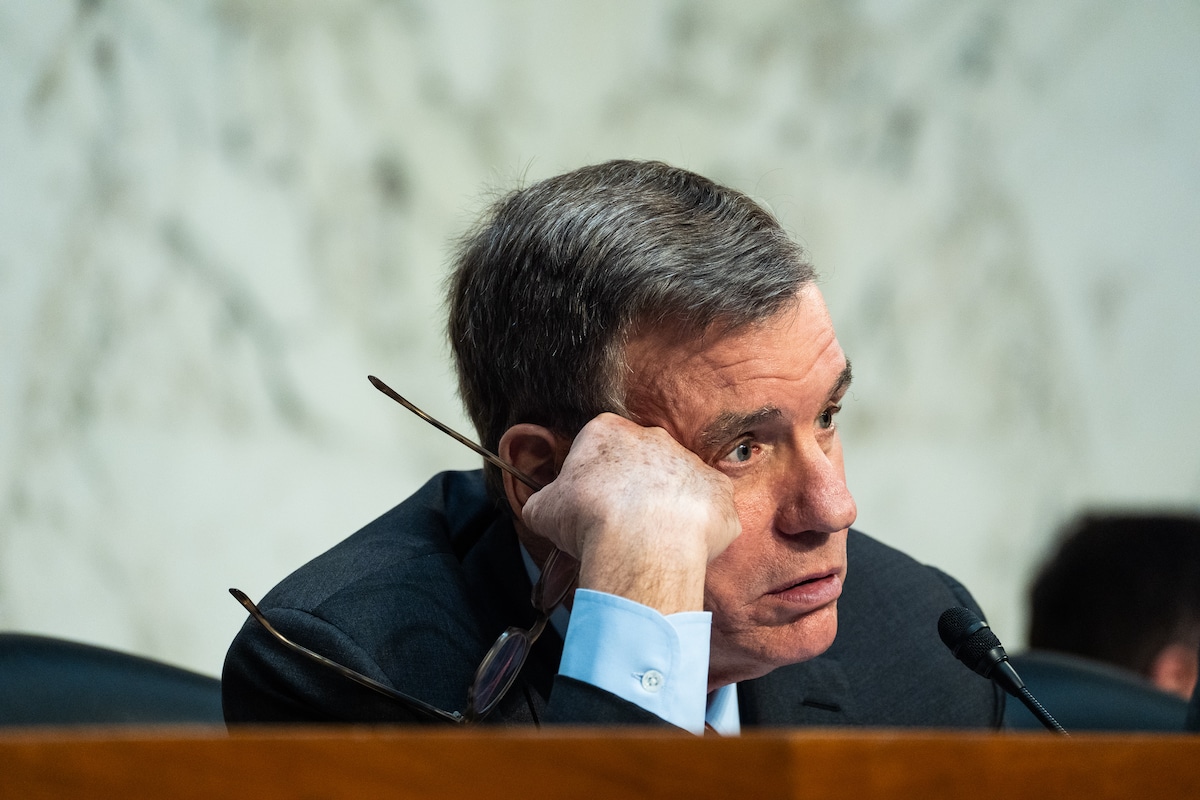
Legislative Pushback and War Powers Debate
Against this backdrop, the discussion around presidential war powers is gaining traction.
Several legislative proposals have emerged, aimed at requiring congressional approval for military action against Iran, referencing the War Powers Resolution of 1973.
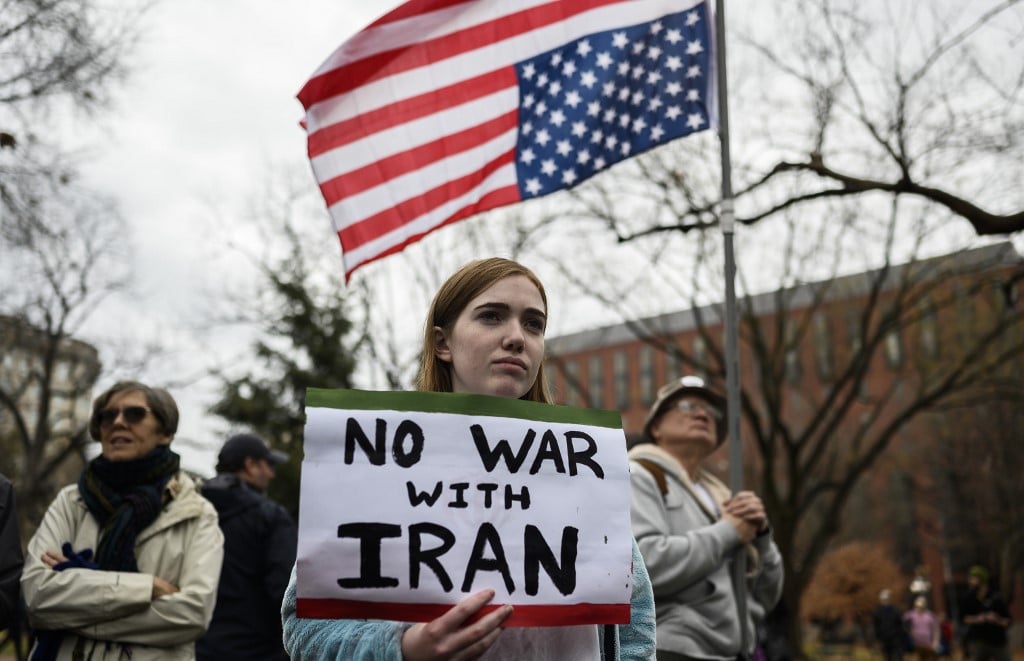
Senator Bernie Sanders has introduced the No War With Iran Act, which would prohibit federal funds for an attack on Iran.
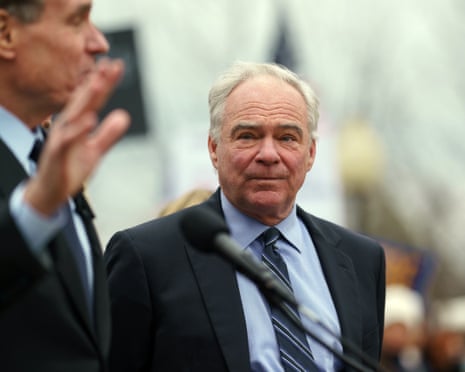
A separate bill in the Senate by Senator Tim Kaine also seeks to block military action without congressional authorization.
In the House, a bipartisan effort led by Republican Congressman Thomas Massie and Democratic Representative Ro Khanna is also pushing for a similar measure.
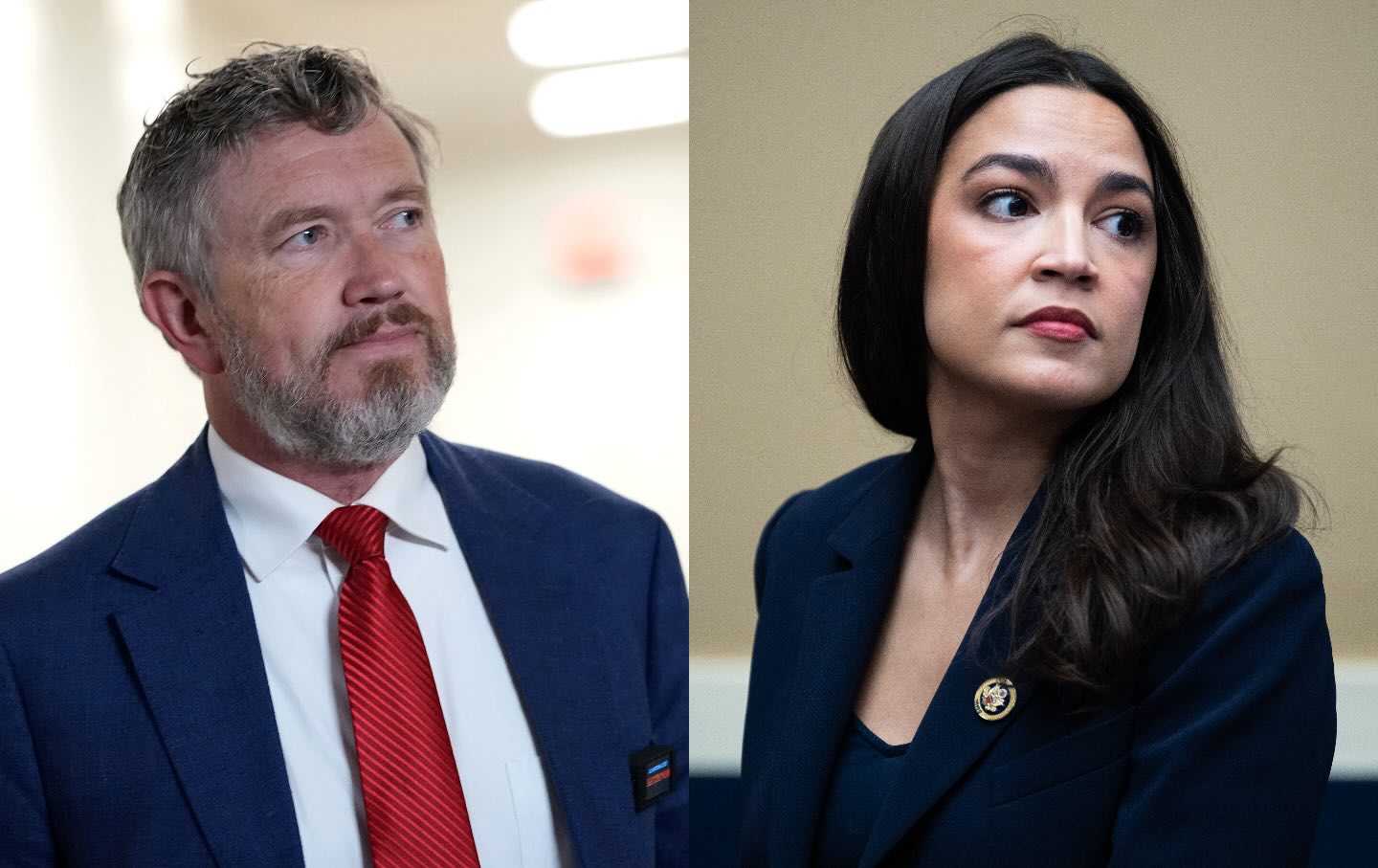
Democratic Positions Under Scrutiny
Within the Democratic Party, various stances on the situation are evident.
Some lawmakers have voiced support for legislative efforts to curb presidential war powers.
However, a number of Democrats have also expressed support for Israel’s military actions against Iran.
Representative Brad Sherman introduced a resolution supporting Israel’s “preemptive” war, garnering support from both Republican and some Democratic colleagues.
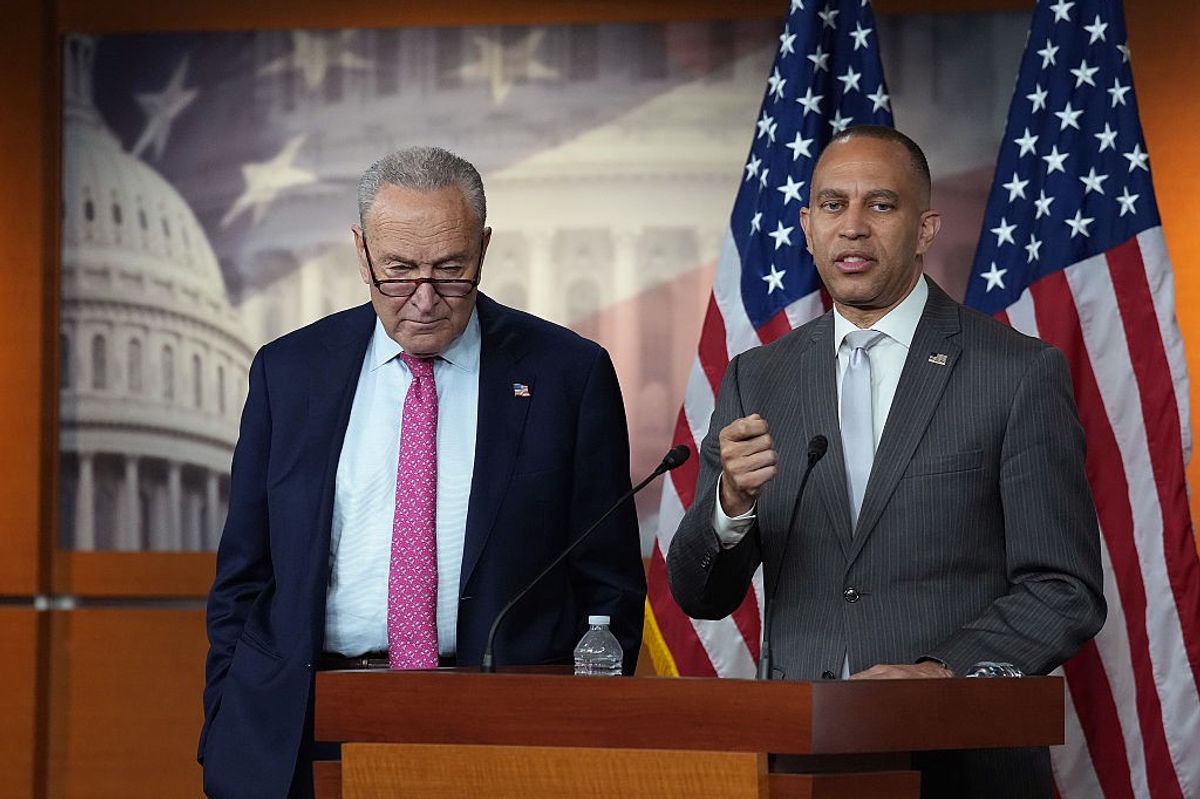
Leading Democratic figures, including Senate Minority Leader Chuck Schumer and House Minority Leader Hakeem Jeffries, have also publicly backed Israel.
The influence of groups like the American Israel Public Affairs Committee (AIPAC) on congressional stances has been noted in the discussion.
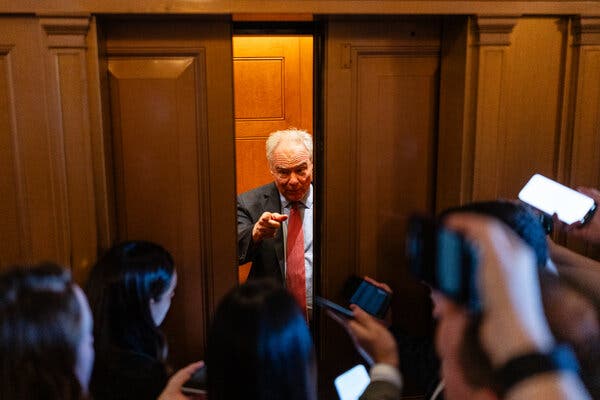
Some Democrats known for receiving significant campaign contributions from pro-Israel groups have also publicly supported action against Iran.
This dynamic has led to questions within the party about its approach to foreign policy and potential conflicts.
This is now defining for the Democratic Party. Are we going to criticize the offensive weapons for Netanyahu and the blank check? Are we going to stand up with clarity against the strikes on Iran? Are we going to actually be the party of peace, or are we going to be just another party of war?
That’s according to Rep. Ro Khanna, a Democrat involved in the bipartisan War Powers effort.
Unexpected Voices Speak Out
Interestingly, some of the most forceful public statements against direct U.S. military action have come from figures not typically associated with the anti-war movement.
This includes individuals sometimes described as being on the “far-right” of the political spectrum.
Their opposition often centers on avoiding foreign entanglements and costly overseas conflicts.
The comparison between these voices and the positions taken by some Democratic leaders has drawn sharp commentary.
The Striking Comparison Emerges
In this complex political landscape, a pointed observation has been made regarding the relative quiet from some Democratic quarters compared to other, less expected figures.
It’s embarrassing that some problematic far-right figures are speaking out more forcefully against direct military action than the so-called leaders of the opposition.
That was the assessment from Joseph Geevarghese, executive director of Our Revolution, highlighting the perceived lack of vocal opposition from some mainstream Democrats.
This sentiment reflects a frustration among some observers who expected a more unified anti-war stance from the Democratic Party, particularly given their frequent criticisms of the Trump administration.
The situation underscores the diverse viewpoints on foreign policy and intervention that exist across the political spectrum, sometimes in unexpected places.
Public Opinion Divided
Adding another layer to the debate is public opinion.
Recent polling suggests significant public skepticism regarding U.S. involvement in a war with Iran.
A majority of Americans polled reportedly oppose U.S. military action, indicating a potential disconnect between public sentiment and the political debate unfolding in Washington.
This broad public resistance cuts across partisan lines, with even a slim majority of surveyed 2024 Trump voters expressing opposition to war with Iran.
The call for negotiation and diplomacy remains a strong alternative advocated by many.
Ultimately, the debate over potential military action against Iran continues, marked by legislative maneuvers, political pressures, and striking observations about who is speaking out most forcefully.