Democrat lawmaker laughs when asked if migrants illegally on US soil get due process
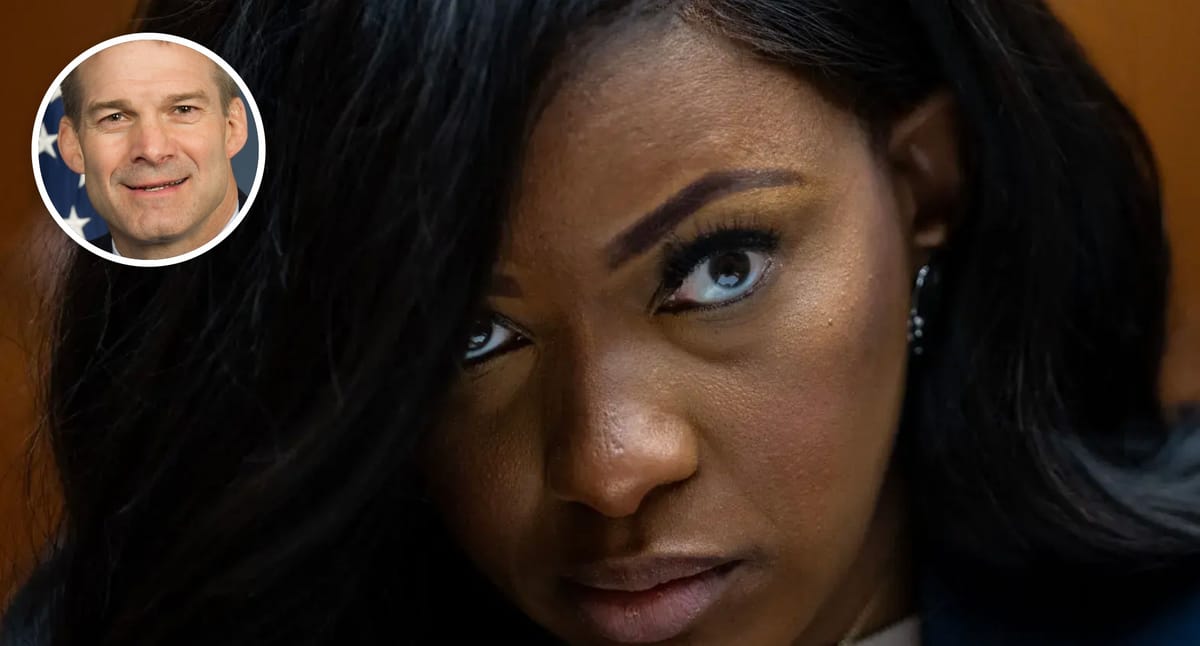
It was a moment that stopped a House committee hearing in its tracks.
A simple question posed to a Democrat representative led to an unexpected reaction.
A Tense Exchange on Capitol Hill
The scene unfolded during a House committee hearing.
Lawmakers were discussing complex issues surrounding immigration and legal processes.
These hearings often feature sharp disagreements and clashes of interpretation regarding US law and policy.
The exchange involved Texas Democratic Rep. Jasmine Crockett and California Republican Rep. Kevin Kiley.

The Question That Sparked a Reaction
Rep. Kiley directed a specific query towards Rep. Crockett.
His question centered on a fundamental aspect of legal rights in the United States.
“Do you believe that someone who has entered the US illegally—that the due process requirements for that individual are the same as for a US citizen?” Kiley asked.
The question aimed to clarify her position on the rights afforded to individuals regardless of their legal status upon entry.
Due process is a cornerstone of the American legal system, guaranteed by the Constitution.
However, its application in various contexts, especially concerning non-citizens, is often debated.

A Strong Initial Response
Rep. Crockett, identified as a former civil rights attorney, responded quickly.
Her initial reaction was noticeable before she even spoke.
She reportedly broke into “sarcastic laughter.”
This reaction itself drew attention within the hearing room.
“Per the Constitution, if you are on our soil, you are guaranteed due process,” she stated as her direct answer to Kiley’s question.
Her response suggested the matter was straightforward based on her understanding of constitutional law.

Delving Into Legal Nuance
But the exchange didn’t end there.
Rep. Kiley pressed further, introducing a point about judicial interpretation.
He asserted that the Supreme Court has ruled due process to be a “context-dependent inquiry.”
This perspective suggests that the specific circumstances, including a person’s status, can influence how due process requirements apply.
It’s a point that highlights the complexities legal scholars and courts often grapple with when interpreting constitutional rights in varying situations.
The Debate Continues
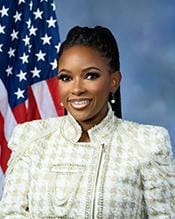
Rep. Crockett pushed back against Kiley’s assertion.
“There was never a distinction that said somehow, dependent on your status, you somehow lose your access to due process,” she rebutted.
She maintained her position that due process rights are universally afforded to everyone on US soil, citing the consistency of Supreme Court rulings on this point.
The back-and-forth demonstrated a clear disagreement on the interpretation of constitutional protections for those present in the country without legal status.
It touches upon long-standing debates about sovereignty, borders, and individual rights.
An Unconventional Intervention
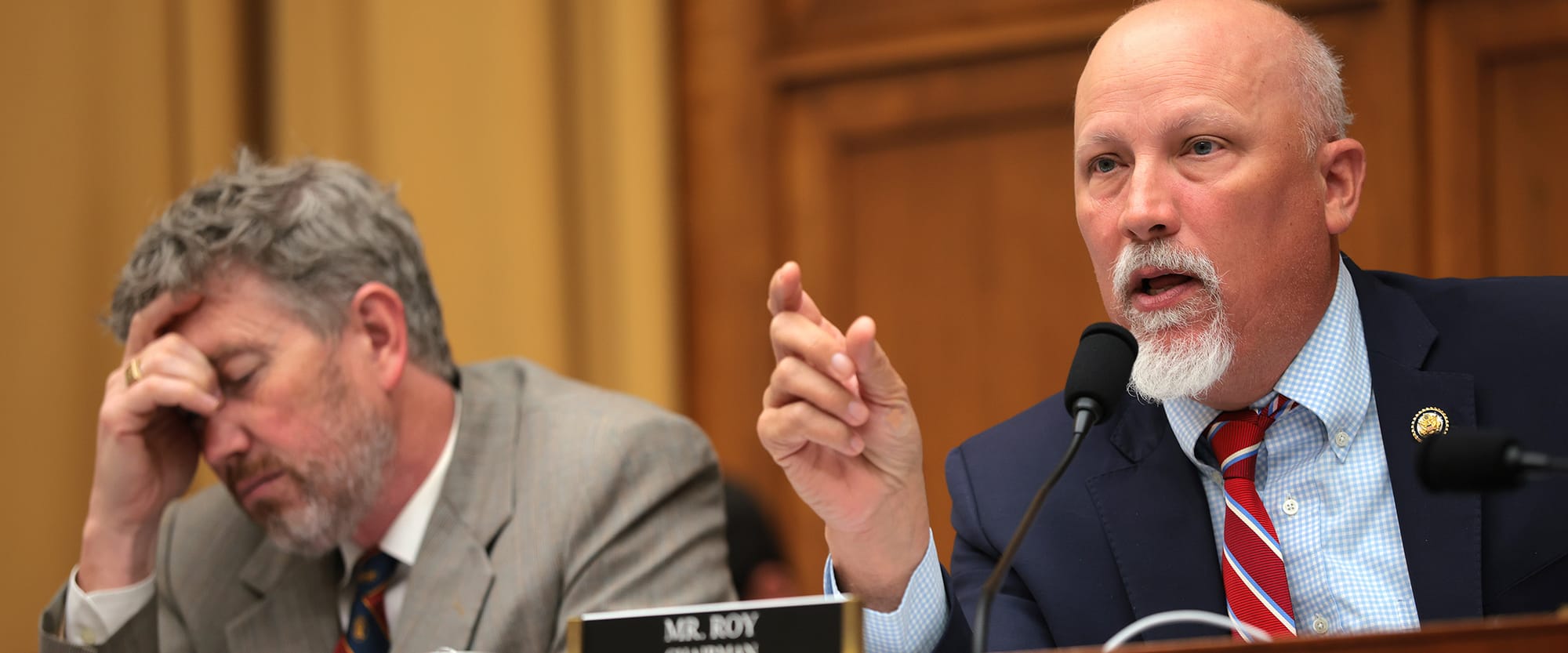
As the exchange persisted without resolution, another lawmaker interjected.
Rep. Parmila Jayapal (D-WA) stepped in with a notable suggestion.
“I would like to submit for the record, the constitution of the United States…” Jayapal stated.
This move elicited further reaction in the room, reportedly including laughter from the House floor.
Rep. Jim Jordan (R-OH) acknowledged the submission by recognizing “the whole constitution, God bless ya.”

The Core of the Disagreement
Ultimately, the heated moment during the hearing highlighted a significant point of contention: whether due process rights are absolute and identical for everyone physically present in the US, regardless of how they arrived, or if a person’s legal status introduces complexities and context that can alter the application of those rights, as suggested by Rep. Kiley referencing Supreme Court interpretations of due process as a “context-dependent inquiry.”
While the immediate exchange concluded, the underlying debate about the scope of constitutional rights for non-citizens on US soil remains a critical and frequently discussed issue in legal and political circles.