Deaths soar after tornado warnings delayed overnight across Kentucky and Missouri
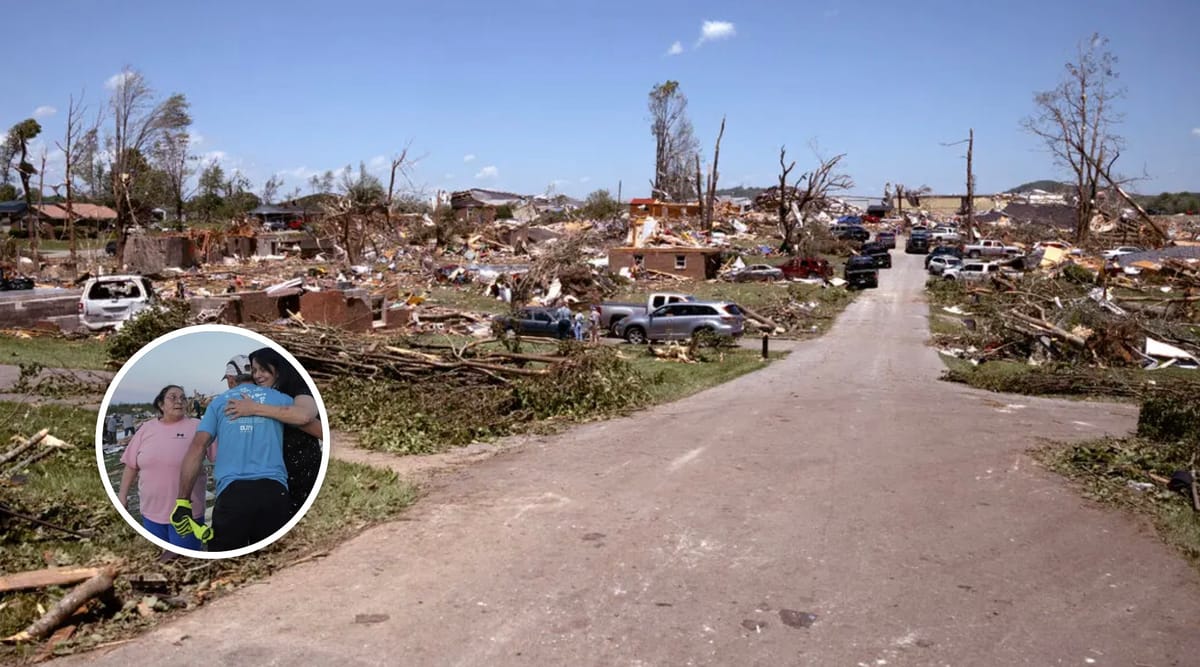
Disaster struck in the dead of night.
Lives were tragically lost as powerful tornadoes tore through communities.
Sudden Storms, Devastating Impact
Tornadoes are among nature’s most fearsome and unpredictable forces.
Unlike hurricanes, which can be tracked for days, tornadoes often form rapidly, sometimes with only minutes of warning.
This makes alerting the public incredibly challenging, especially when storms hit under the cover of darkness while most people are sleeping.
The difference between getting an alert and missing it can be a matter of survival.
The Role of Weather Forecasters
Dedicated meteorologists work around the clock to monitor weather patterns.
Their job involves constantly analyzing data, tracking storms, and issuing critical warnings when severe weather is imminent.
In regions prone to tornadoes, having eyes on the radar 24/7 is considered vital.
Overnight forecasters, in particular, play a crucial role in ensuring that sudden nighttime threats don’t catch communities unaware.
Tragedy Strikes in the Night
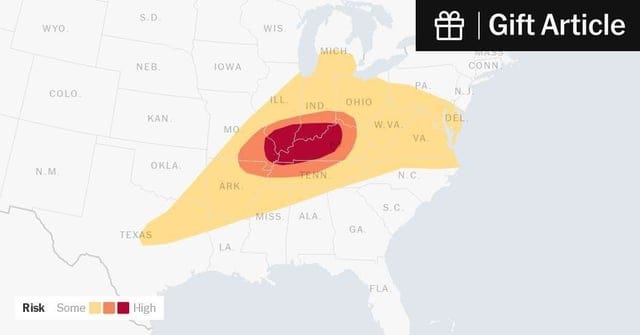
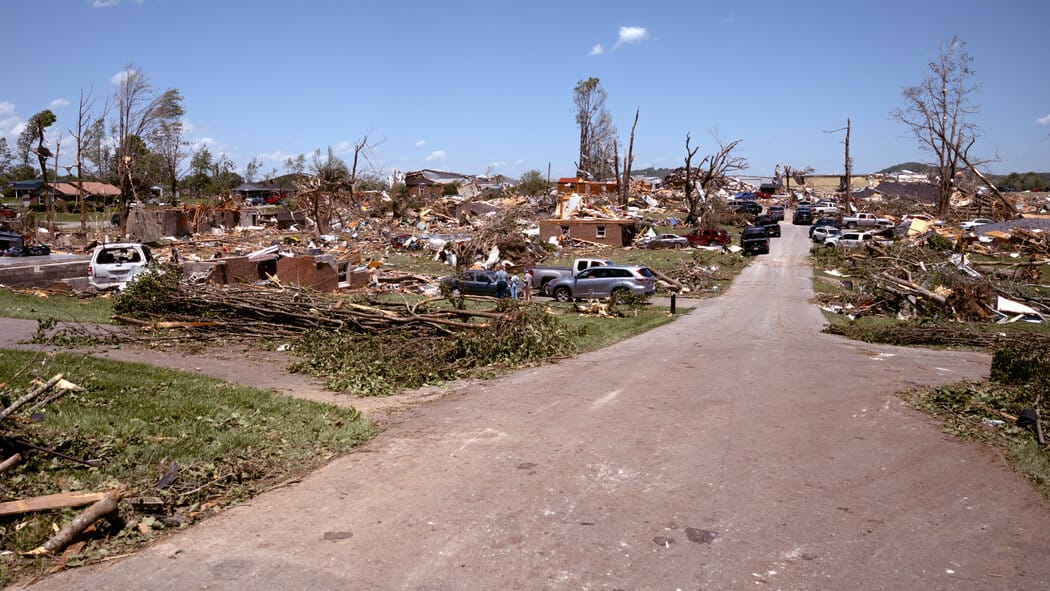
Just before midnight on Friday, devastating tornadoes touched down in parts of Kentucky and Missouri.
The storms left a trail of destruction across multiple counties.
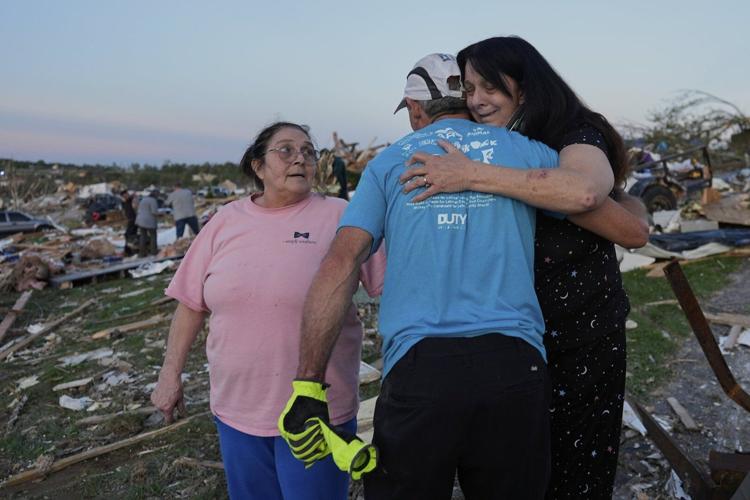
The human cost has been staggering.
Reports quickly emerged of significant fatalities.
Questions Arise About Warnings
In the wake of the disaster, questions have been raised about the timeliness of severe weather alerts.
For events that strike with such speed, every second counts.
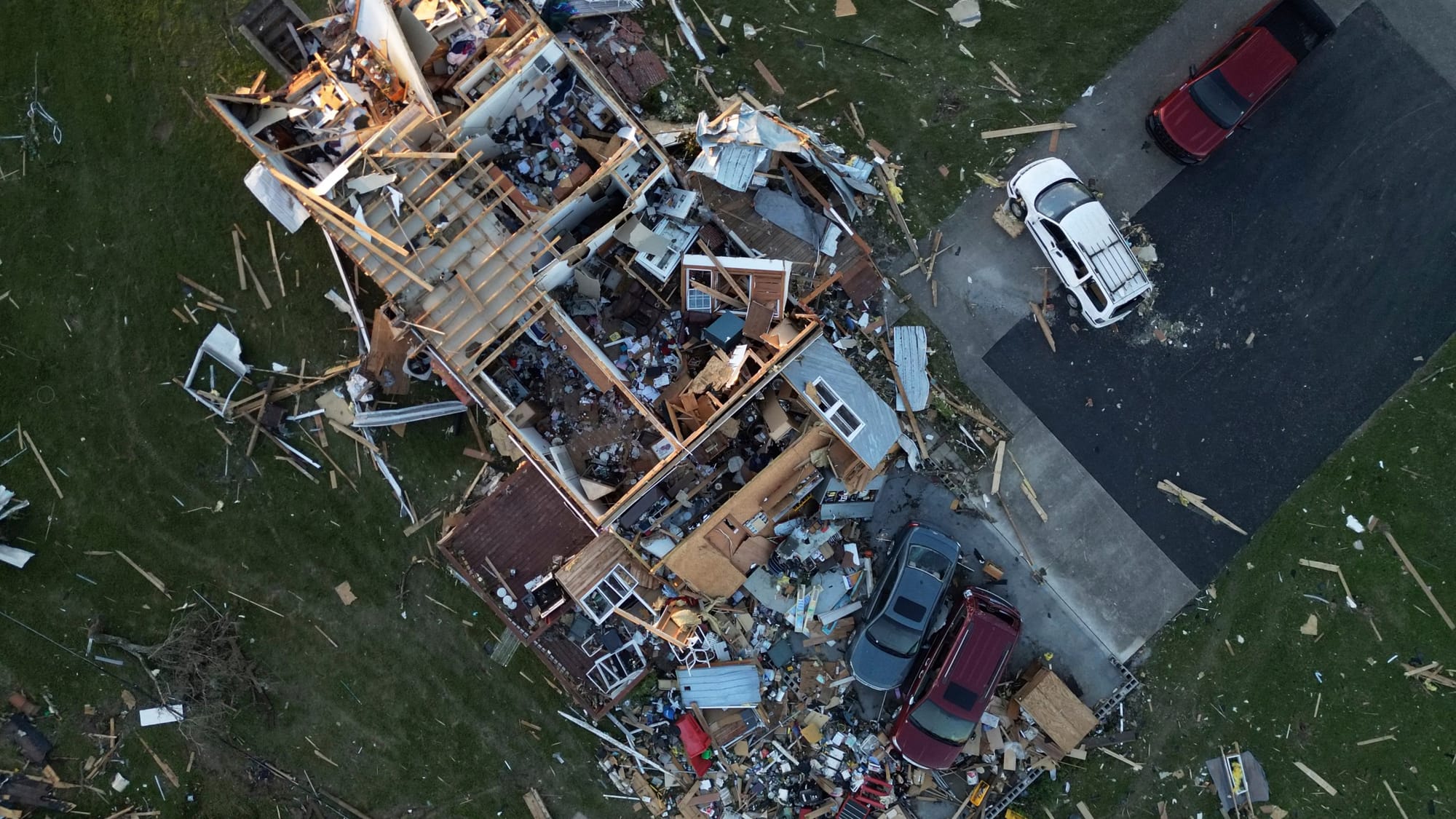
Initial accounts from affected areas suggested that some residents may not have received warnings with sufficient time to seek shelter.
Staffing Challenges and Forecasting Needs
Weather forecasting operations require significant resources and personnel to maintain constant vigilance.
Staffing levels at various National Weather Service offices have been a topic of discussion in recent years, particularly regarding the ability to provide round-the-clock coverage in all locations.
Reports indicated that the Jackson, Kentucky NWS office, which covers a tornado-prone area, was not staffed with a dedicated overnight forecaster at the time the tornadoes hit.
This situation reportedly stemmed from ongoing operational adjustments and resource allocation decisions within the service.
Such challenges highlight the difficulties in ensuring continuous monitoring during every potential severe weather threat, regardless of the hour.
The Devastating Toll
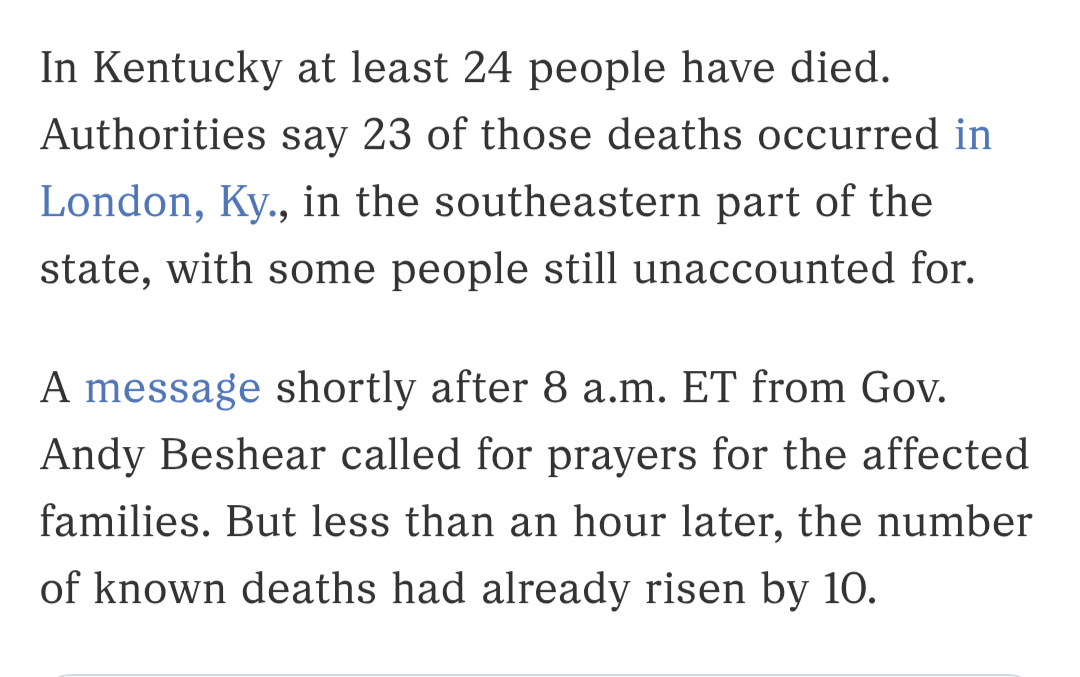
As search and rescue efforts continue, the confirmed death toll has tragically climbed to at least 27 across the affected states.
Many more remain missing, and the full extent of the casualties may not be known for some time.
The delayed warnings, combined with the suddenness and intensity of the nocturnal tornadoes, likely contributed to the high number of fatalities.
For those caught in the path of these storms, the precious minutes that a timely warning provides were, for some, simply not there.
The tragedy serves as a stark reminder of the power of severe weather and the critical importance of robust warning systems and preparedness.