Deadly Storms Hit Kentucky: Shocking Truth About Weather Staffing Exposed
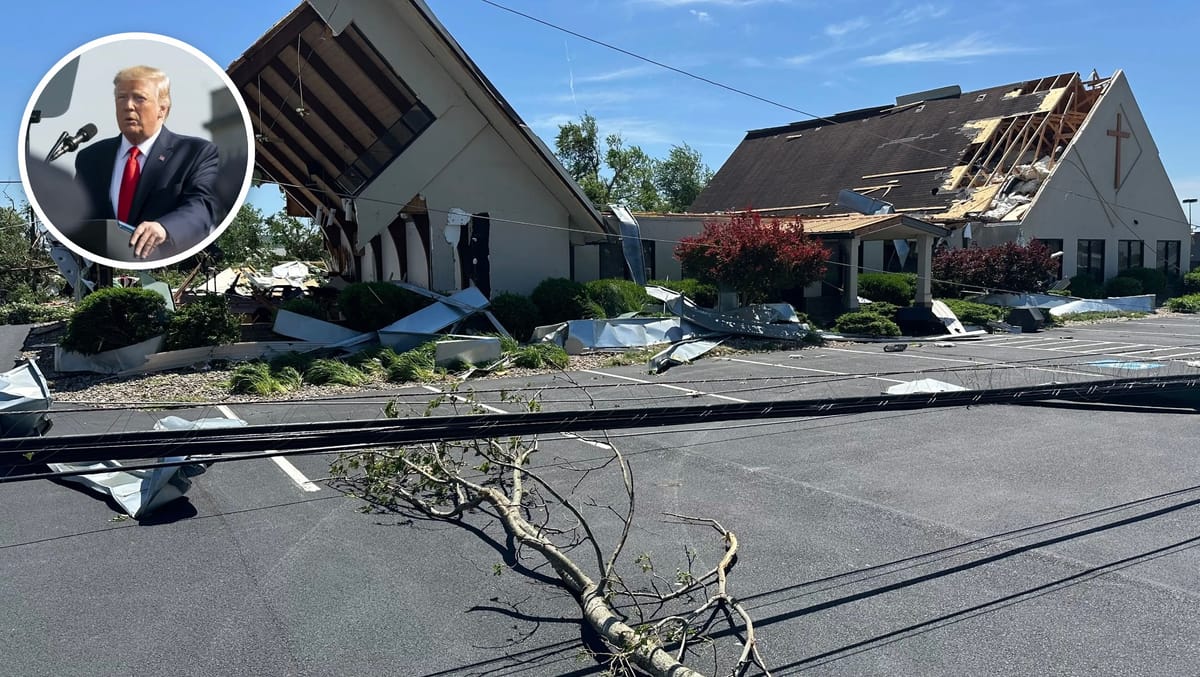
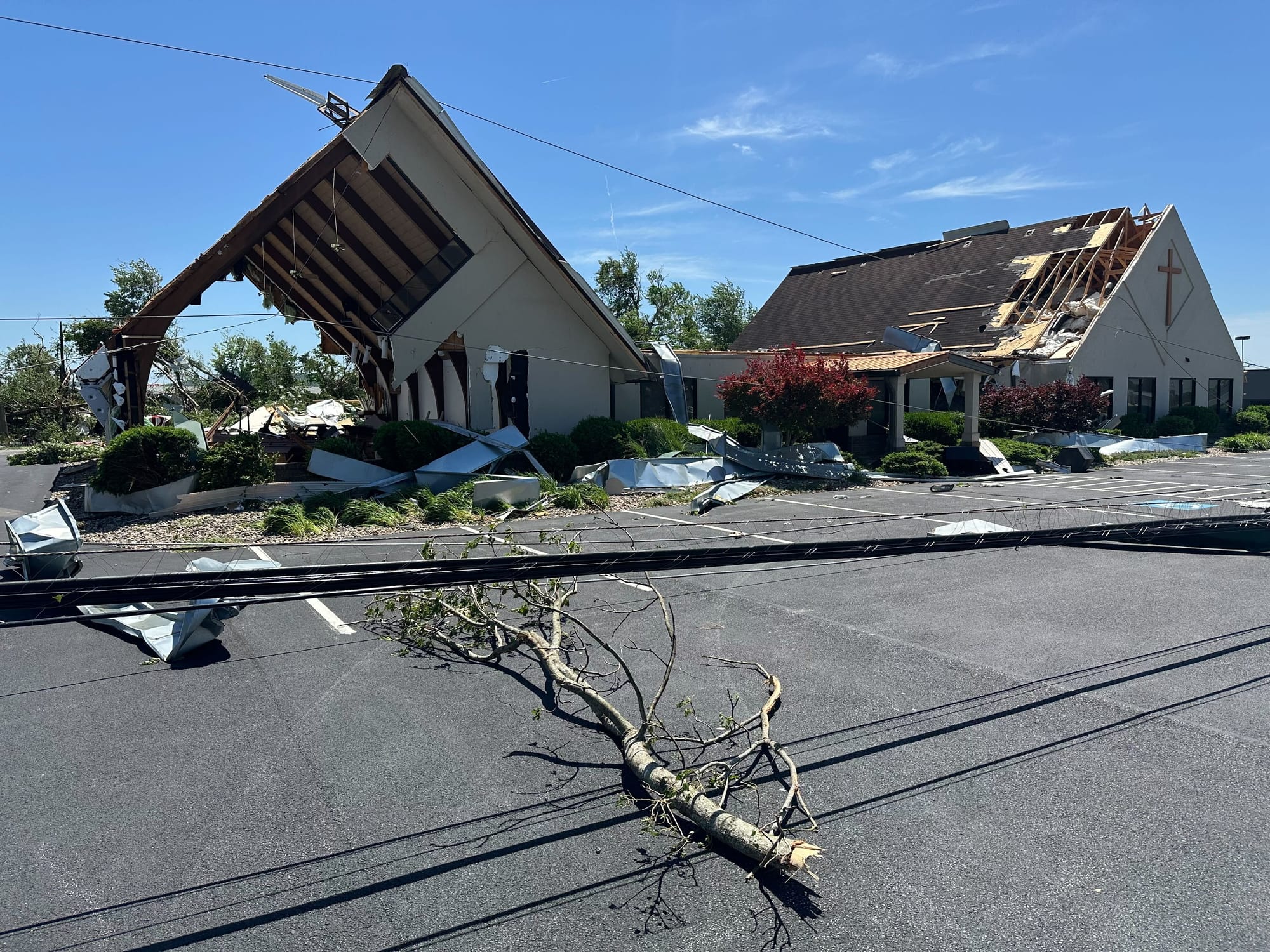
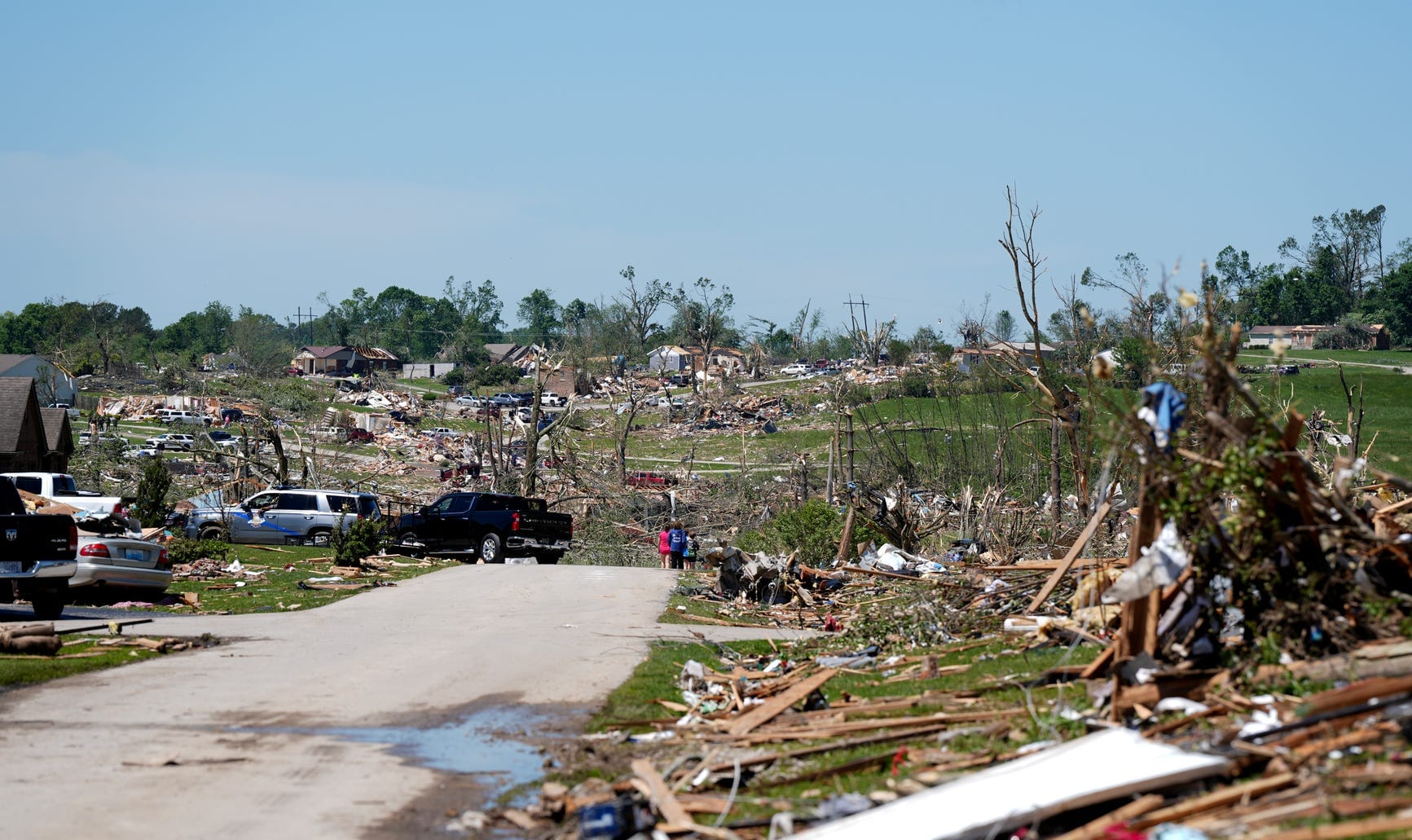
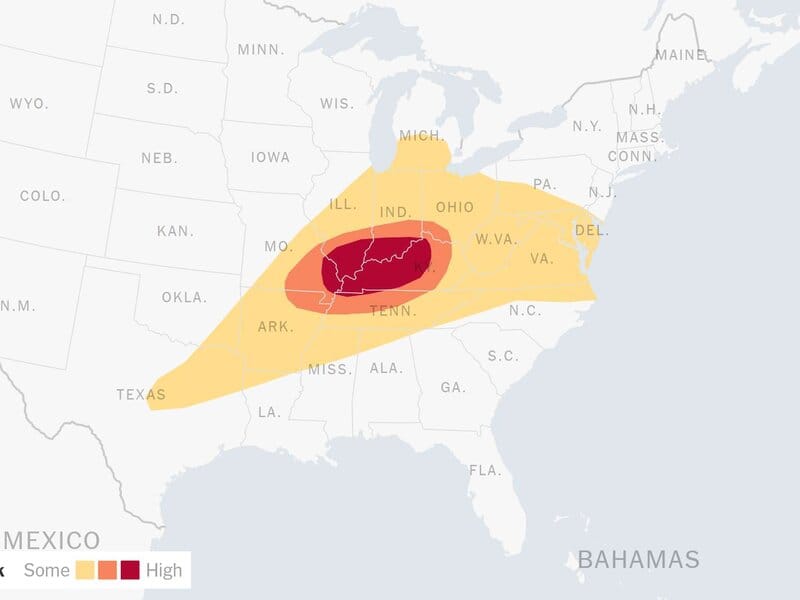
Severe weather has once again ravaged Kentucky.
Amidst the destruction, questions are being raised about critical infrastructure.
Kentucky Weather Offices Face Staffing Challenges
As communities in Kentucky grapple with the aftermath of recent severe storms, attention is turning to the vital work of the National Weather Service (NWS).
Reports indicate that the three NWS offices within the state – located in Jackson, Paducah, and Louisville – have been navigating challenges related to staffing levels.
These offices are on the front lines, responsible for issuing forecasts and warnings crucial for public safety, especially in a state prone to severe weather events like tornadoes and floods.
Ensuring Critical Coverage During Storms
Despite facing personnel shifts, the NWS has worked to ensure essential coverage, particularly during high-impact weather events.
For instance, the Jackson office, which serves Eastern Kentucky – an area recently hit by multiple rounds of flooding – reportedly ensured staff were in place to monitor conditions and issue alerts when severe, life-threatening weather was predicted.
Kentucky Governor Andy Beshear acknowledged concerns about staffing but confirmed that, in the case of the recent devastating storms, he saw no evidence that alert delivery was impacted.
“I have big concerns with cuts to the National Weather Service. I don’t see any evidence that it impacted this one,” Beshear said.
Local Expertise and Constant Communication
State officials, such as Kentucky Emergency Management Director Eric Gibson, maintained constant contact with the NWS throughout the severe storm event.
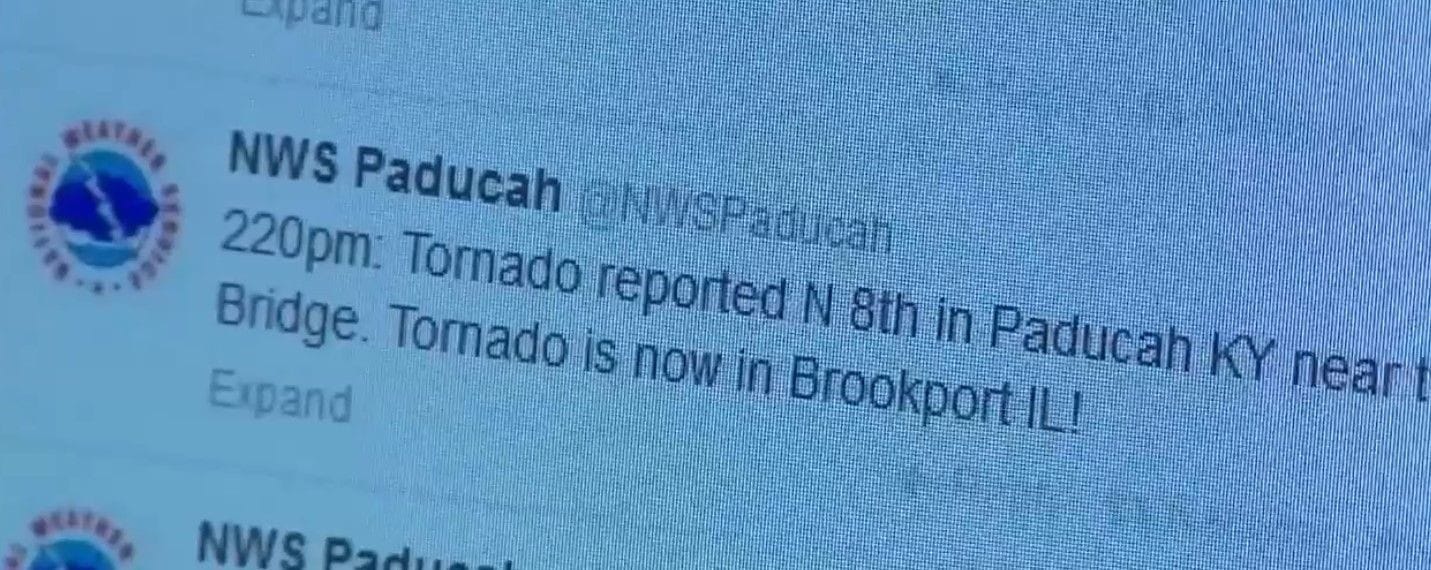
The NWS offices did indeed release dozens of warnings and alerts as the storm system moved through.
Local emergency managers highlight the importance of having experienced personnel who are deeply familiar with the specific geography and weather patterns of their areas.
Eastern Kentucky, for example, presents unique challenges due to its terrain and the rapid rise of water during flood events.
Navigating Personnel Transitions
Managing personnel levels across a large federal agency like the National Weather Service is a complex undertaking, involving retirements, transfers, and resource allocation decisions over time.
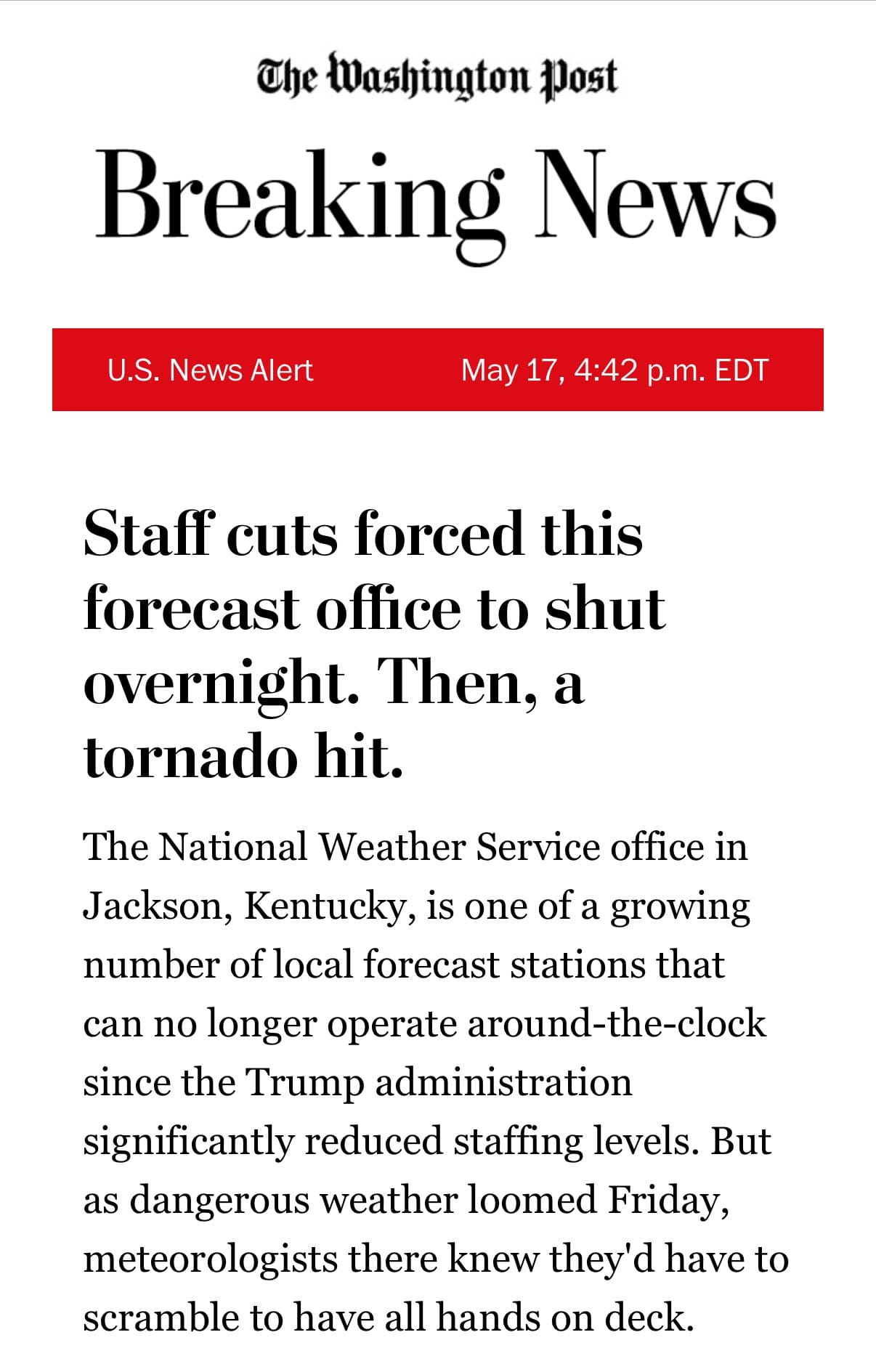
Reports indicate that the NWS has seen personnel departures nationally.
This has led to some offices operating with fewer staff members than ideal.
The NWS is actively working to address these gaps, including efforts to incentivize meteorologists to relocate to understaffed areas.
The Core Mission Continues
Despite these challenges, the National Oceanic and Atmospheric Administration (NOAA), which oversees the NWS, affirms that the service continues to meet its primary objective.
“The National Weather Service continues to meet its core mission of providing life-saving forecasts, warnings, and decision support services to the public, our partners and stakeholders,” stated Kim Doster, NOAA communications director.
NOAA noted that the NWS has updated internal standards to help manage operations effectively given current personnel resources.
The shocking truth often overlooked? The incredible dedication of the meteorologists and staff who remain, working tirelessly to cover shifts and ensure that vital warnings reach communities before disaster strikes, often relying on colleagues in neighboring offices to help cover workloads.
This collaborative effort and the resilience of the existing staff are crucial in maintaining safety during severe weather events.
As Kentucky looks to the future, ensuring the National Weather Service has the resources it needs remains a critical focus for preparedness and response efforts.