Cracklin’ Cornbread

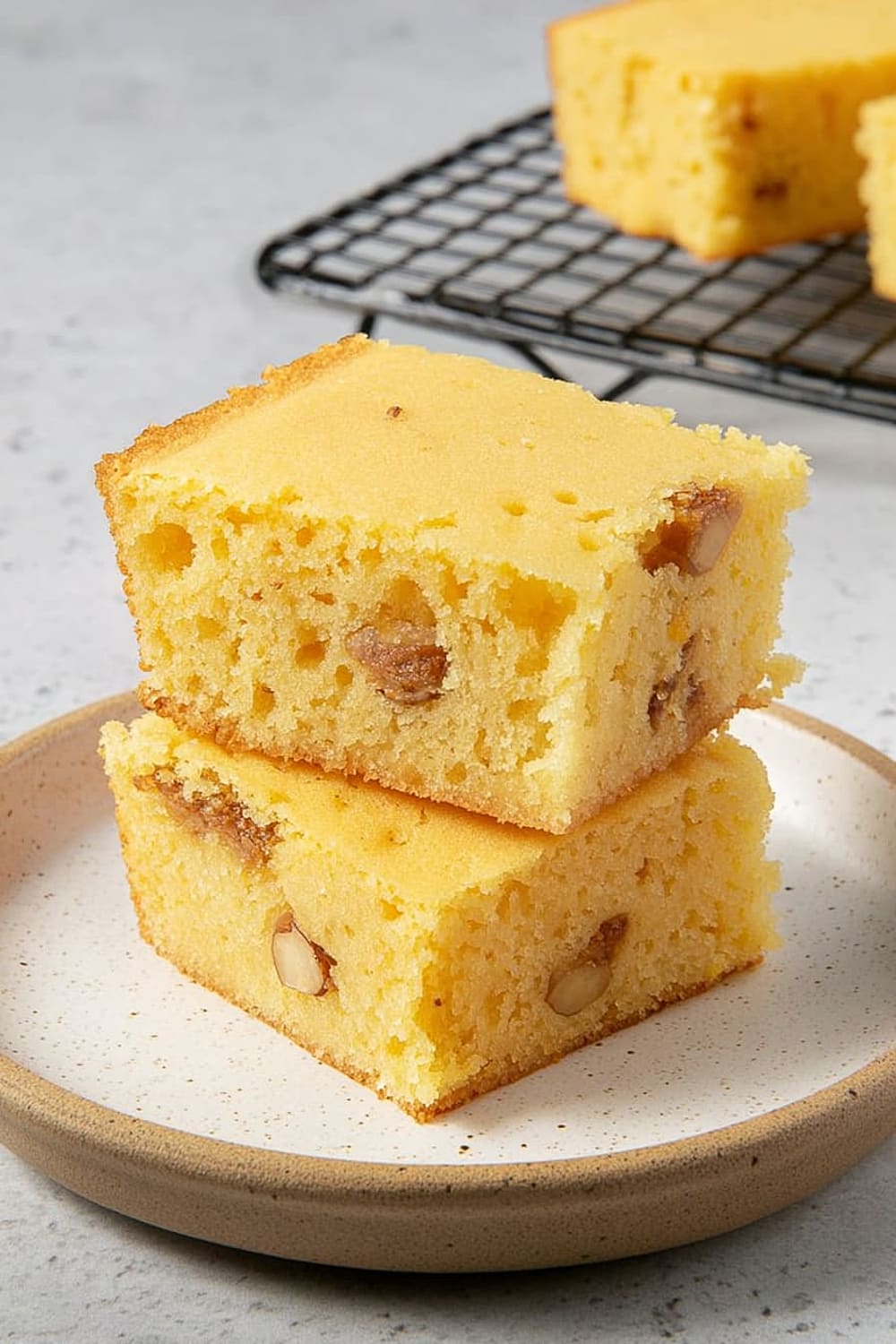
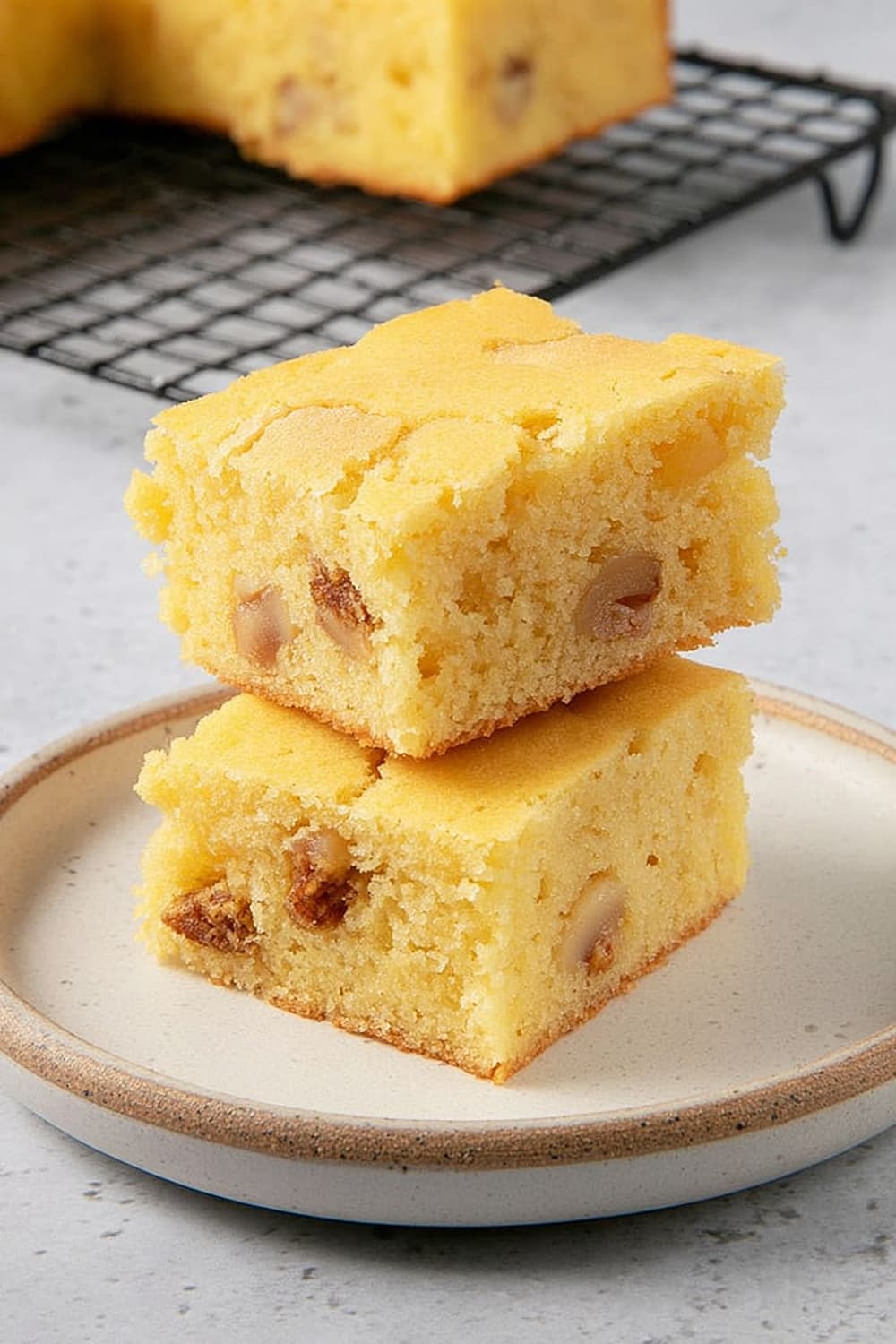
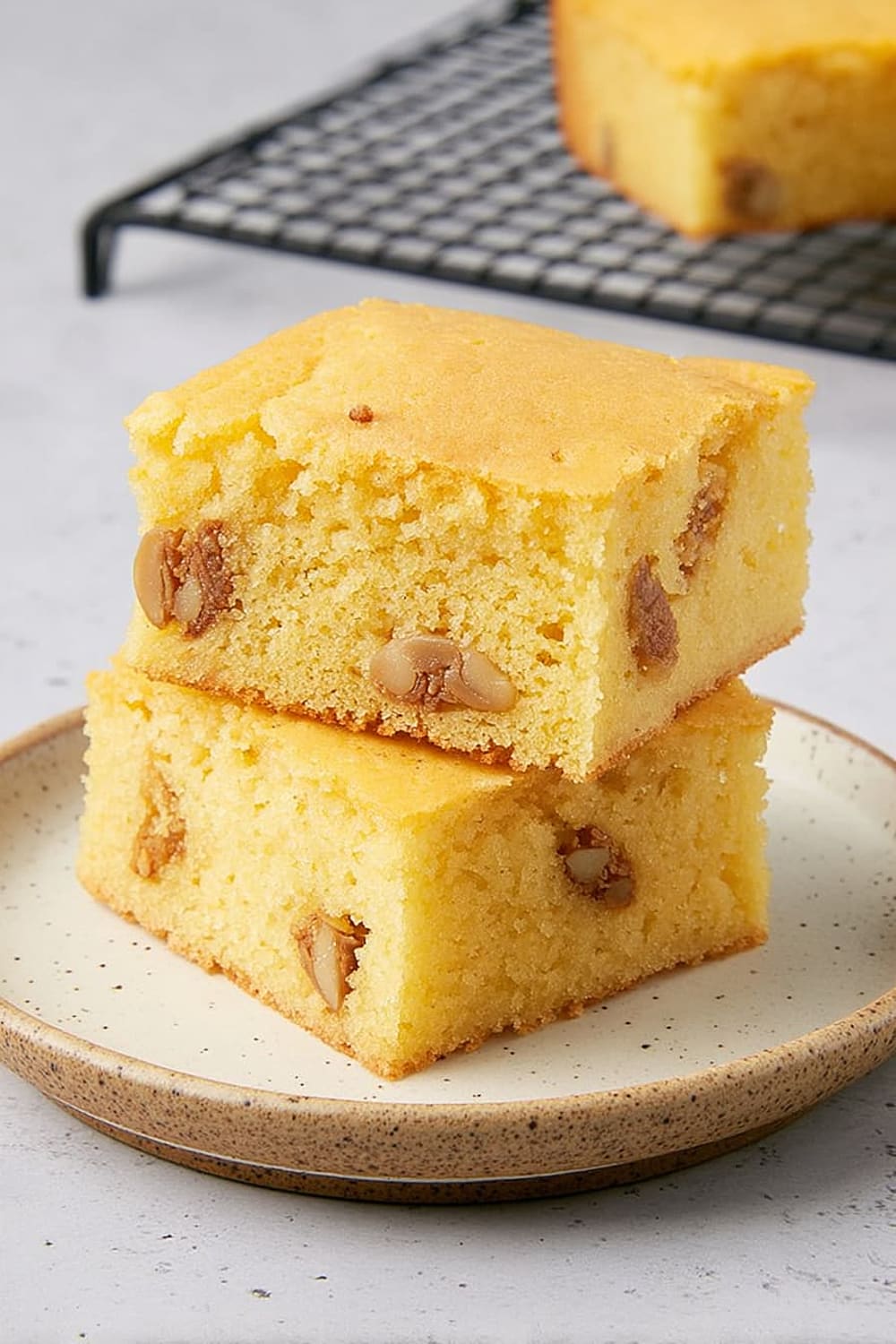
This cornbread doesn’t mess around – it’s got actual pork cracklings baked right into the batter, making every bite a crispy, savory surprise that’ll have you questioning why regular cornbread even exists.
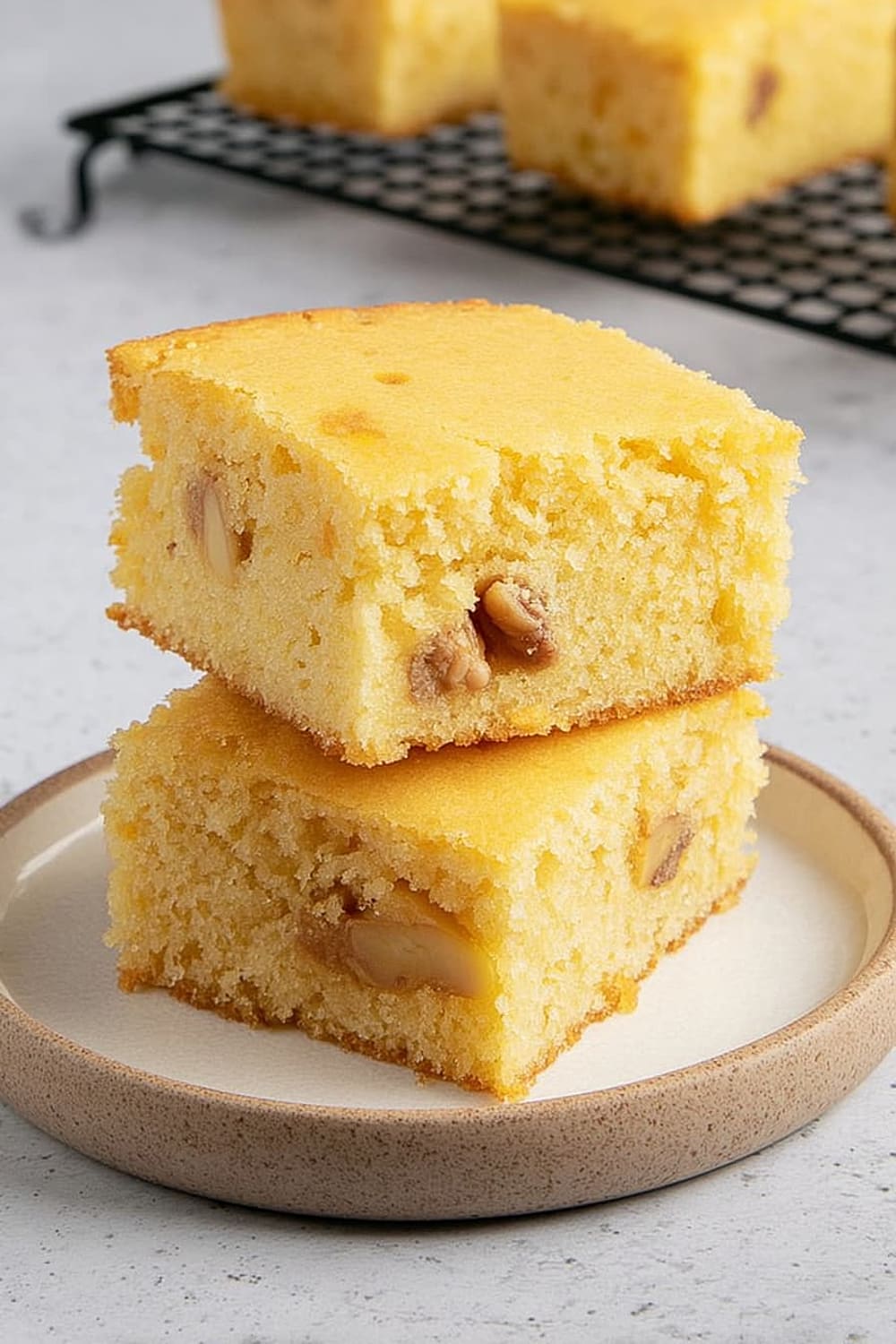
We’re talking about cornbread that actually has personality, with those golden cracklings adding a salty crunch that pairs perfectly with the tender, slightly sweet cornmeal base.
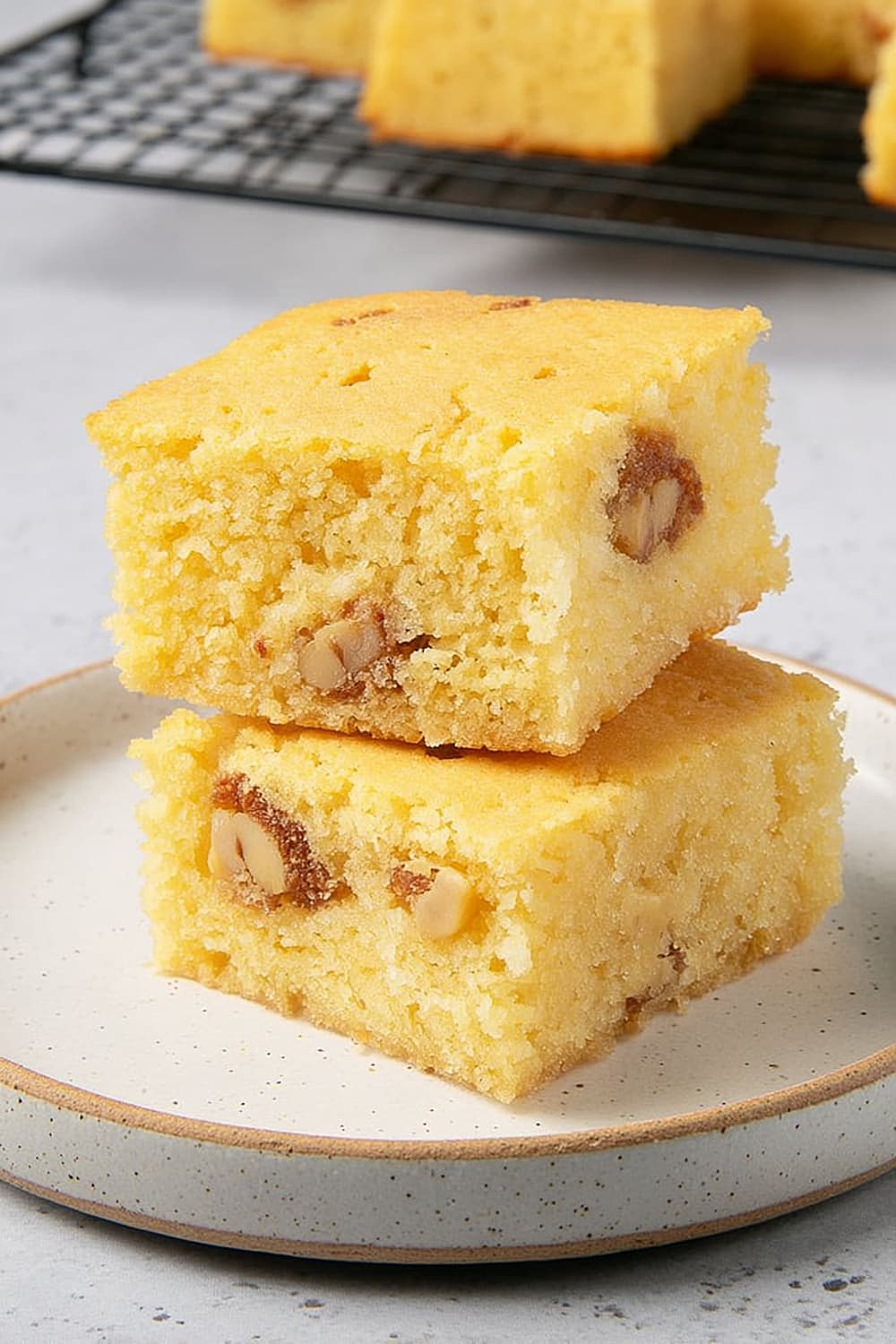
The beauty of this recipe is that it takes something already delicious and makes it absolutely irresistible – because apparently regular cornbread was just the opening act.
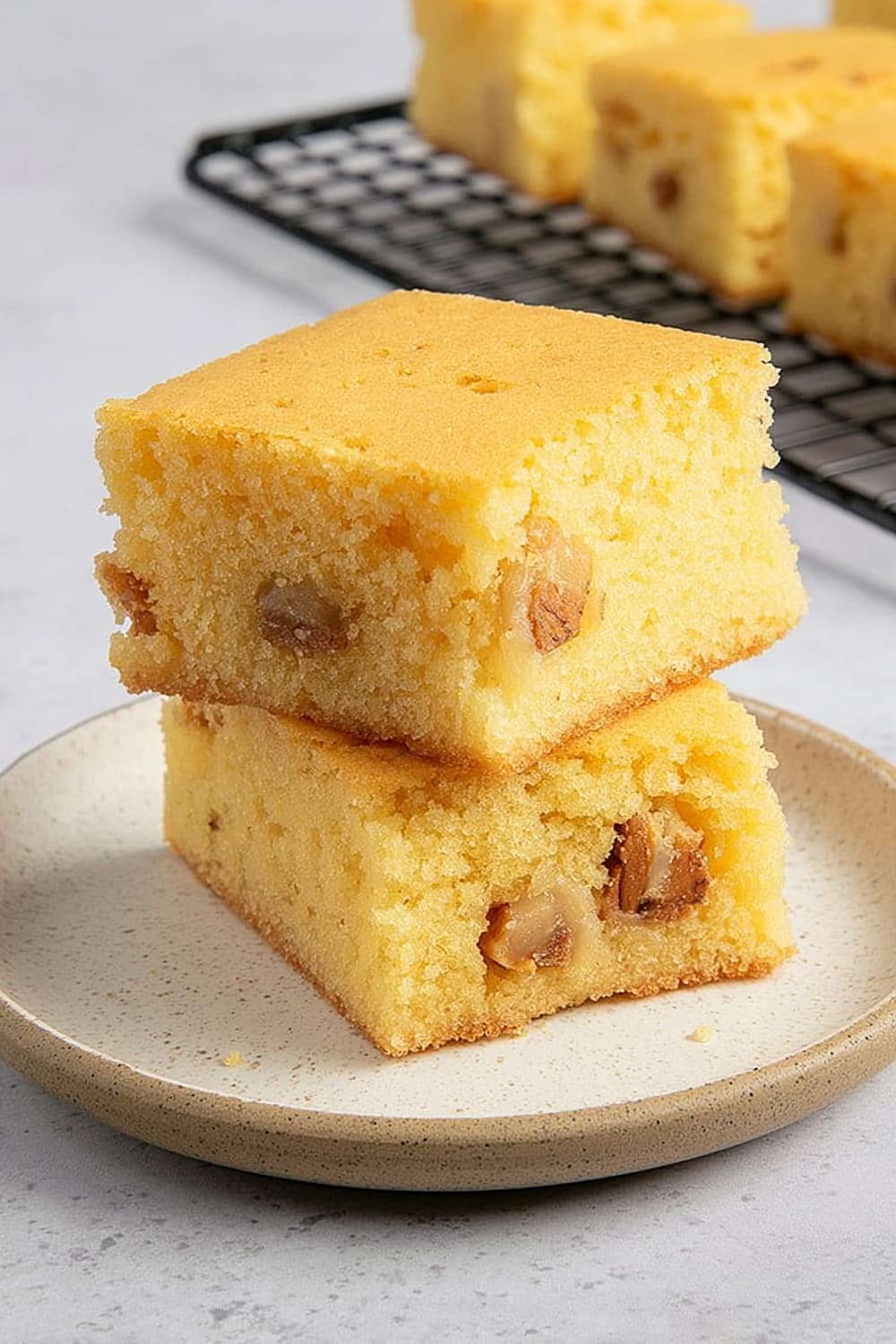
You’ll get that perfect balance of textures: soft, fluffy cornbread studded with crispy bits of pork that add both flavor and that satisfying crunch factor.
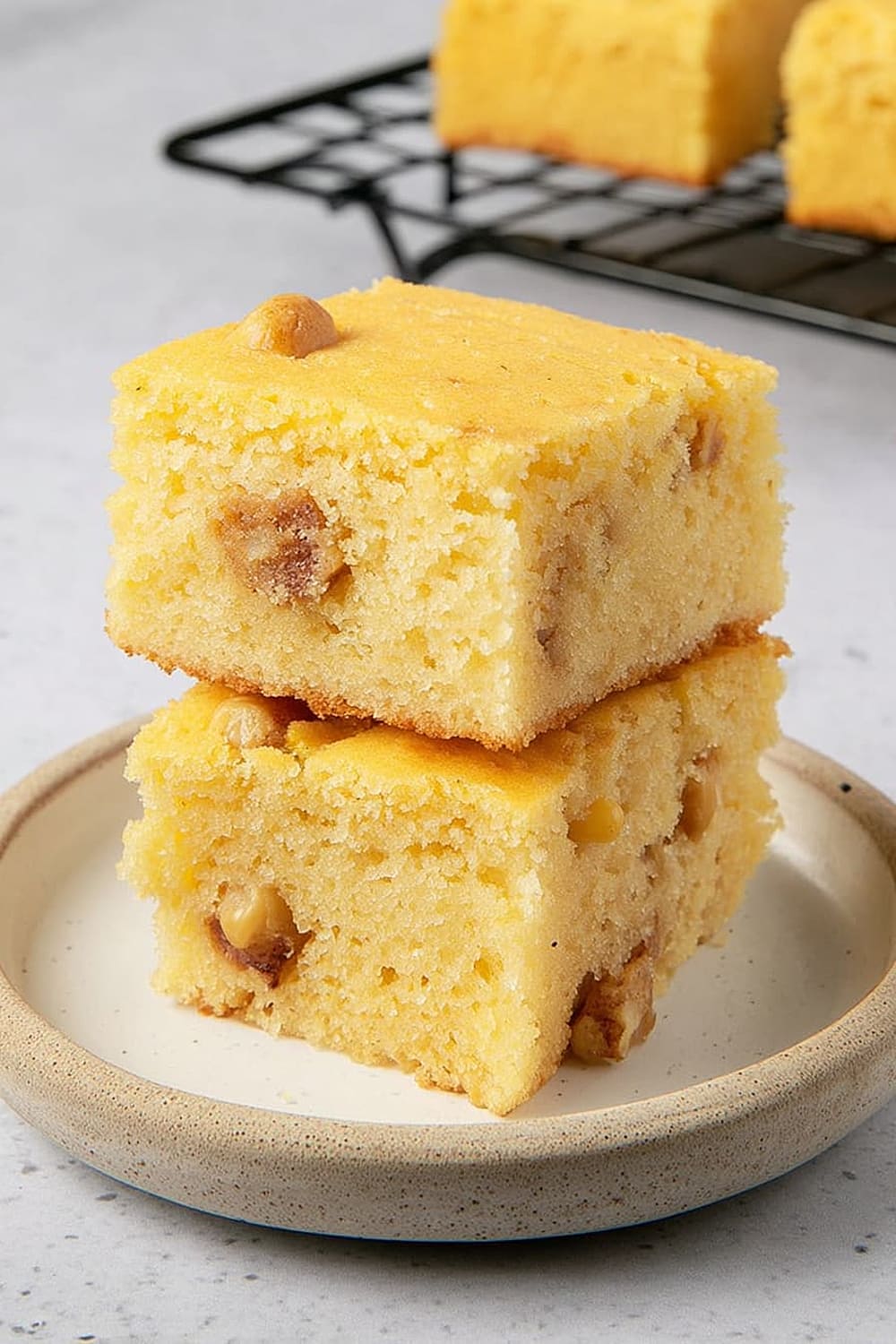
This is the kind of cornbread that makes people stop mid-conversation and ask what you did differently, then immediately demand the recipe.
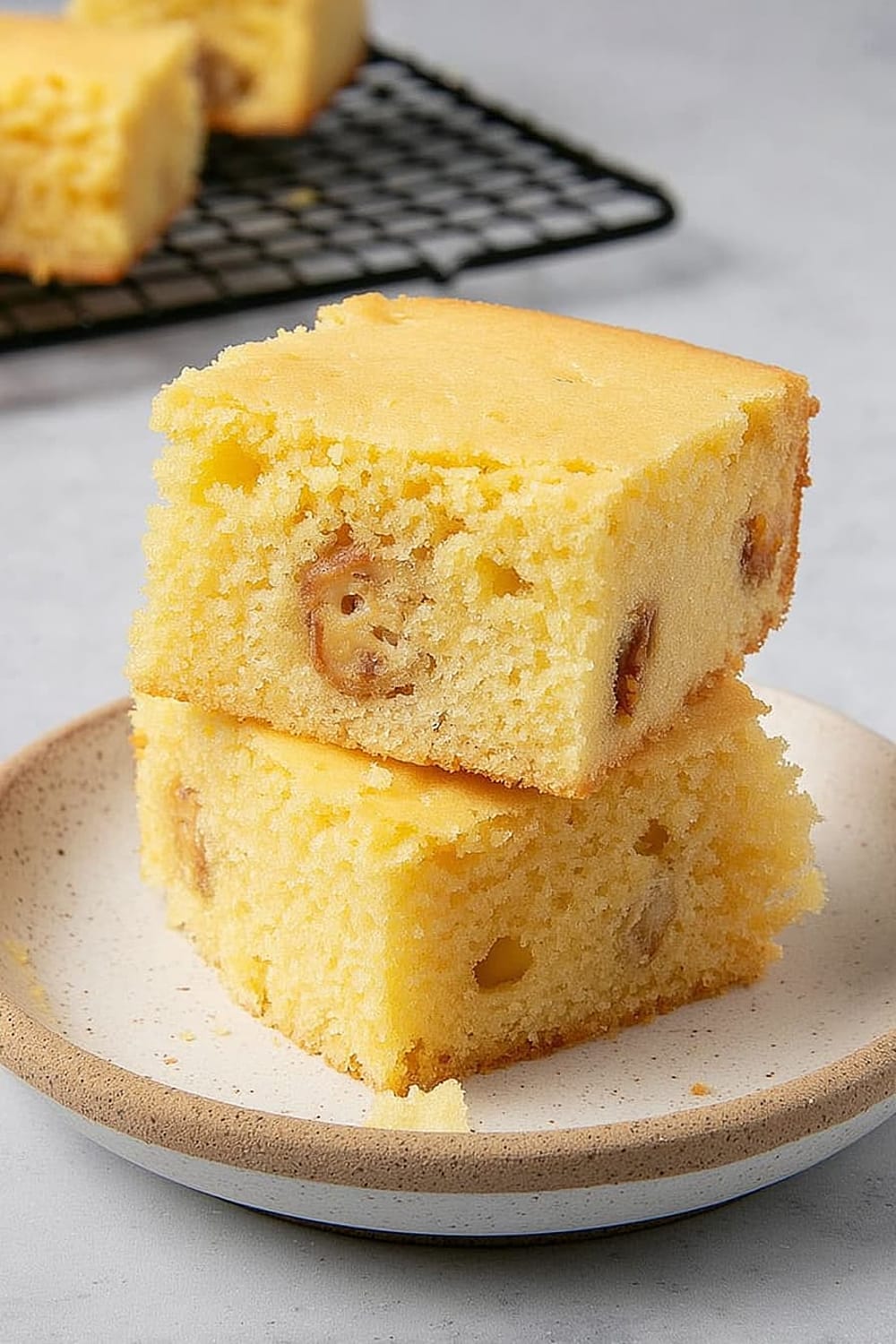
Fair warning: once you serve this at a gathering, you’ll become “the person who makes that amazing cornbread,” and honestly, there are worse reputations to have.
Ingredients
For the cornbread base
- 1 cup yellow cornmeal (stone-ground preferred for best texture)
- 1 cup all-purpose flour (or substitute with whole wheat pastry flour)
- 1 /4 cup sugar (adds subtle sweetness to balance the savory cracklings)
- 1 tablespoon baking powder (ensures proper rise and fluffy texture)
- 3 /4 teaspoon salt (enhances all flavors)
For the wet ingredients
- 1 cup buttermilk (room temperature for best mixing)
- 1 /2 cup butter, melted (cooled slightly to prevent cooking the eggs)
- 2 large eggs, room temperature, beaten (brings everything together)
For the star ingredient
- 1 cup pork cracklings (store-bought or homemade, chopped into bite-sized pieces)
Instructions
Prepare your workspace
- 1 Preheat your oven to 375°F (190°C) and generously grease a 9-inch square cake pan with butter or cooking spray. Using a kitchen scale to measure your dry ingredients will give you the most consistent results, though measuring cups work perfectly fine too.
- 2 Gather all your ingredients and let the eggs and buttermilk come to room temperature if they’ve been refrigerated – this prevents the batter from seizing up when you mix everything together.
Mix the dry ingredients
- 3 In a medium mixing bowl, whisk together the 1 cup cornmeal, 1 cup flour, 1/4 cup sugar, 1 tablespoon baking powder, and 3/4 teaspoon salt until completely combined. Make sure there are no lumps of baking powder hiding in the mixture, as these can create uneven rising and bitter pockets in your finished cornbread.
Combine the wet ingredients
- 4 In a separate large bowl, whisk together the 1 cup buttermilk, 1/2 cup melted butter, and 2 beaten eggs until the mixture is smooth and well-combined. The melted butter should be cooled enough that it doesn’t cook the eggs when you add them – if it’s too hot, let it sit for a few minutes.
Bring it all together
- 5 Add the cornmeal mixture to the wet ingredients and stir just until combined – don’t overmix, as this can make your cornbread tough and dense. The batter should look slightly lumpy, which is exactly what you want for tender cornbread.
- 6 Gently fold in the 1 cup pork cracklings, distributing them evenly throughout the batter. If your cracklings are particularly large, break them into smaller, bite-sized pieces first using your hands or a sharp knife.
Bake to perfection
- 7 Transfer the batter to your prepared 9-inch square cake pan, spreading it evenly with a silicone spatula. The batter will be thick but spreadable – don’t worry if it doesn’t look perfectly smooth on top.
- 8 Bake for 25-30 minutes until the cornbread is just set and a toothpick inserted into the center comes out clean or with just a few moist crumbs. The top should be golden brown and spring back lightly when touched.
- 9 Let the cornbread cool in the pan for 5-10 minutes before slicing – this allows it to set up properly and makes cutting much easier. Cut into 9 squares and serve warm for the best texture and flavor.
Recommended Equipment and Kitchen Tools
Essential tools (for best results)
- 9-inch square cake pan – The specified size ensures proper baking time and thickness. A cast iron skillet can be substituted for a more rustic presentation and slightly crispier crust
- Large mixing bowls – You’ll need at least two bowls to keep wet and dry ingredients separate until the final mixing stage
- Wire whisk – Essential for properly combining dry ingredients and eliminating lumps in the batter
- Silicone spatula – Perfect for folding in the cracklings without overmixing the batter
Helpful upgrades
- Kitchen scale – Measuring ingredients by weight ensures consistent results every time, especially important for the flour and cornmeal ratio
- Instant-read thermometer – Check that your melted butter has cooled to around 100°F (38°C) before adding to prevent cooking the eggs
- Parchment paper – Line the bottom of your pan for easy removal, though greasing works perfectly fine too
Nice-to-have options
- Bench scraper – Makes transferring batter to the pan cleaner and more efficient
- Fine-mesh sieve – For sifting dry ingredients if you want an extra-smooth texture, though whisking works well for this rustic-style cornbread
Recipe Variations and Dietary Modifications
Gluten-Free Adaptation
- Replace the 1 cup all-purpose flour with 1 cup gluten-free flour blend (ones containing xanthan gum work best)
- Add an extra 1/4 teaspoon salt to enhance flavor, as gluten-free flours can taste slightly bland
- Expect a slightly denser texture, but the cracklings will still provide that signature crunch
- Baking time may increase by 3-5 minutes
Dairy-Free Modifications
- Substitute 1 cup unsweetened plant milk + 1 tablespoon vinegar for the buttermilk (let sit 5 minutes to curdle)
- Replace melted butter with 1/2 cup neutral oil like canola or vegetable oil
- The texture will be slightly less rich but still delicious
Flavor Variations
- Jalapeño Cracklin’ Cornbread – Add 2-3 diced jalapeños along with the cracklings for heat
- Cheese and Cracklin’ – Fold in 1/2 cup shredded sharp cheddar with the cracklings
- Herb-Infused – Add 1 tablespoon fresh chopped chives or 1 teaspoon dried herbs to the dry ingredients
- Sweet and Savory – Increase sugar to 1/3 cup and add 1/4 cup corn kernels for textural contrast
Presentation Options
- Muffin Version – Divide batter among 12 muffin cups and bake 18-22 minutes
- Cast Iron Skillet – Bake in a preheated 10-inch cast iron skillet for crispy edges
Nutritional Information and Health Benefits
Key Nutritional Highlights
This cracklin’ cornbread provides approximately 280-320 calories per square, with a substantial amount of protein from both the eggs and pork cracklings. The cornmeal contributes complex carbohydrates and fiber, while the buttermilk adds calcium and probiotics. Each serving delivers around 12-15 grams of protein, making it more filling and nutritionally substantial than traditional cornbread.
Health Benefits of Main Ingredients
The yellow cornmeal provides essential B vitamins, particularly niacin and folate, plus antioxidants like lutein and zeaxanthin that support eye health. Buttermilk contains beneficial probiotics that aid digestion and provides calcium for bone health. The eggs contribute high-quality complete protein and choline for brain function. Pork cracklings, while indulgent, provide protein and satisfy cravings with smaller portions due to their rich flavor.
Dietary Considerations
This recipe contains gluten (from flour), dairy (buttermilk and butter), and eggs, making it unsuitable for those with these specific allergies. The pork cracklings make it non-kosher and non-halal. One square provides a moderate amount of saturated fat, so it’s best enjoyed as part of a balanced meal with vegetables or salad. The fiber from cornmeal helps slow sugar absorption, making it more blood-sugar friendly than refined bread products.
Smart Swaps and Ingredient Substitutions
Common Substitutions:
- Buttermilk → 1 cup whole milk + 1 tablespoon lemon juice (let sit 5 minutes to curdle)
- Melted butter → 1/2 cup vegetable oil or melted coconut oil (cooled slightly)
- All-purpose flour → 1 cup whole wheat pastry flour for more fiber and nutty flavor
- Pork cracklings → 1 cup cooked bacon bits or crispy fried onions for different textures
Budget-Friendly Swaps:
- Store-bought cracklings → Homemade cracklings from pork belly or fatback (much more economical)
- Organic cornmeal → Regular yellow cornmeal (nutritionally similar, significant cost savings)
- Fresh eggs → Powdered eggs (2 tablespoons powder + 6 tablespoons water per egg)
Pantry Emergency Substitutions:
- Yellow cornmeal → White cornmeal or polenta (slightly different texture but works well)
- Baking powder → 1/2 teaspoon baking soda + 1 teaspoon cream of tartar (if you have both on hand)
- Sugar → Honey or maple syrup (reduce buttermilk by 2 tablespoons to compensate for liquid)
Pro Tips for Substitutions:
- Store leftover buttermilk in ice cube trays for future baking projects
- Toast cornmeal in a dry skillet for 2-3 minutes before using to enhance nutty flavor
- When using oil instead of butter, add an extra 1/4 teaspoon salt to compensate for flavor loss
Make It Diabetes-Friendly
Flour & Carb Modifications:
- Replace 1/2 cup all-purpose flour with 1/2 cup almond flour to reduce carbs by approximately 15-20 grams per batch
- Use 3/4 cup cornmeal instead of 1 cup to further reduce carbohydrate content
- Consider coconut flour as partial substitute (use only 1/4 cup as it’s very absorbent)
Sugar Substitutions:
- Replace 1/4 cup sugar with 2 tablespoons erythritol or stevia blend designed for baking
- Monk fruit sweetener works well at 2 tablespoons for equivalent sweetness
- This reduces carbs by approximately 12 grams per batch
Portion & Timing Tips:
- Cut into 12 smaller rectangles instead of 9 squares for better portion control
- Each smaller piece contains approximately 18-22 grams carbs (compared to 25-30 in regular portions)
- Pair with protein-rich foods like eggs or Greek yogurt to slow glucose absorption
- The pork cracklings add protein and fat, naturally helping stabilize blood sugar
Total Carb Reduction:
With modifications, you can reduce total carbs by 25-30% while maintaining the signature texture and flavor that makes this cornbread special.
Perfect Pairing Suggestions
Beverage Pairings
A robust amber ale or brown ale complements the savory pork cracklings beautifully, while the malty sweetness balances the cornmeal’s earthiness. For wine lovers, a medium-bodied red wine like Zinfandel or off-dry Riesling works wonderfully. Non-alcoholic options include sweet tea, buttermilk, or apple cider – all traditional Southern beverages that enhance this cornbread’s rustic appeal.
Side Dish Recommendations
This cracklin’ cornbread shines alongside slow-cooked collard greens or braised cabbage, where the cornbread’s richness balances the vegetables’ slight bitterness. Creamy coleslaw provides a cool, crunchy contrast to the warm, crispy cornbread. Baked beans or black-eyed peas create a hearty, protein-rich combination that’s deeply satisfying. Honey butter or sorghum syrup on the side lets people customize their sweetness level.
Complete Meal Ideas
Build a Southern-inspired feast by serving this cornbread with barbecue pulled pork, fried chicken, or country-style ribs. For a lighter approach, pair it with grilled fish and steamed vegetables. The cornbread also makes an excellent base for cornbread stuffing during holiday meals, where the cracklings add extra richness to the dish.
Occasion Suggestions
Perfect for backyard barbecues, potluck dinners, and family gatherings where comfort food is appreciated. It’s ideal for fall and winter meals when heartier foods are craved, and makes an impressive addition to holiday brunches alongside eggs and bacon.
Pro Tips and Troubleshooting
Professional Techniques
For the ultimate texture, let your batter rest for 10-15 minutes after mixing – this allows the cornmeal to fully hydrate and creates a more tender final product. Toast your cornmeal in a dry skillet for 2-3 minutes before mixing to intensify its nutty flavor. If your cracklings seem too large, pulse them briefly in a food processor rather than chopping by hand for more uniform pieces.
Common Mistakes and Solutions
Overmixing is the biggest culprit for tough cornbread – stir just until ingredients are combined, even if the batter looks slightly lumpy. If your cornbread turns out dry, you likely overbaked it or used too much flour. Measure flour by spooning it into the cup rather than scooping directly from the bag. If cracklings sink to the bottom, toss them lightly in flour before folding into the batter.
Storage and Reheating
Store leftover cornbread wrapped in plastic wrap at room temperature for 2-3 days. For longer storage, wrap tightly and freeze for up to 3 months. Reheat individual pieces in the microwave for 15-20 seconds or warm the whole pan in a 300°F (150°C) oven for 8-10 minutes. The cracklings will crisp up again during reheating.
Make-Ahead Strategies
Mix dry ingredients up to 1 week ahead and store in an airtight container. You can also prepare the entire batter and refrigerate for up to 24 hours before baking – just let it come to room temperature for 30 minutes before baking and add 2-3 minutes to the baking time.
This cracklin’ cornbread proves that sometimes the best recipes are the ones that take a classic and give it just enough attitude to make it unforgettable. Every golden square delivers that perfect combination of tender cornbread and crispy, savory surprises that’ll have everyone asking when you’re making it again.