Budweiser Distributor Defends Prison Labor By Calling Inmates ‘Murderers’
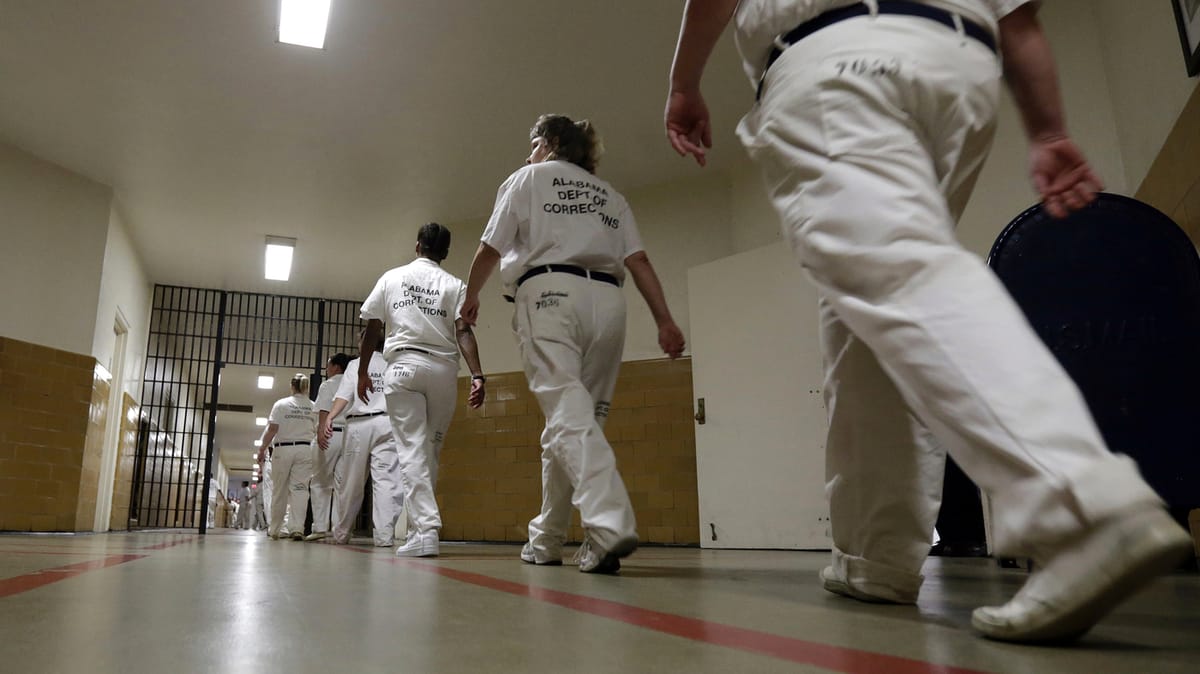
A legal battle is unfolding in Alabama over how the state uses inmate work programs.
At the heart of the dispute is a constitutional question and a beer distributor’s surprising court filing.
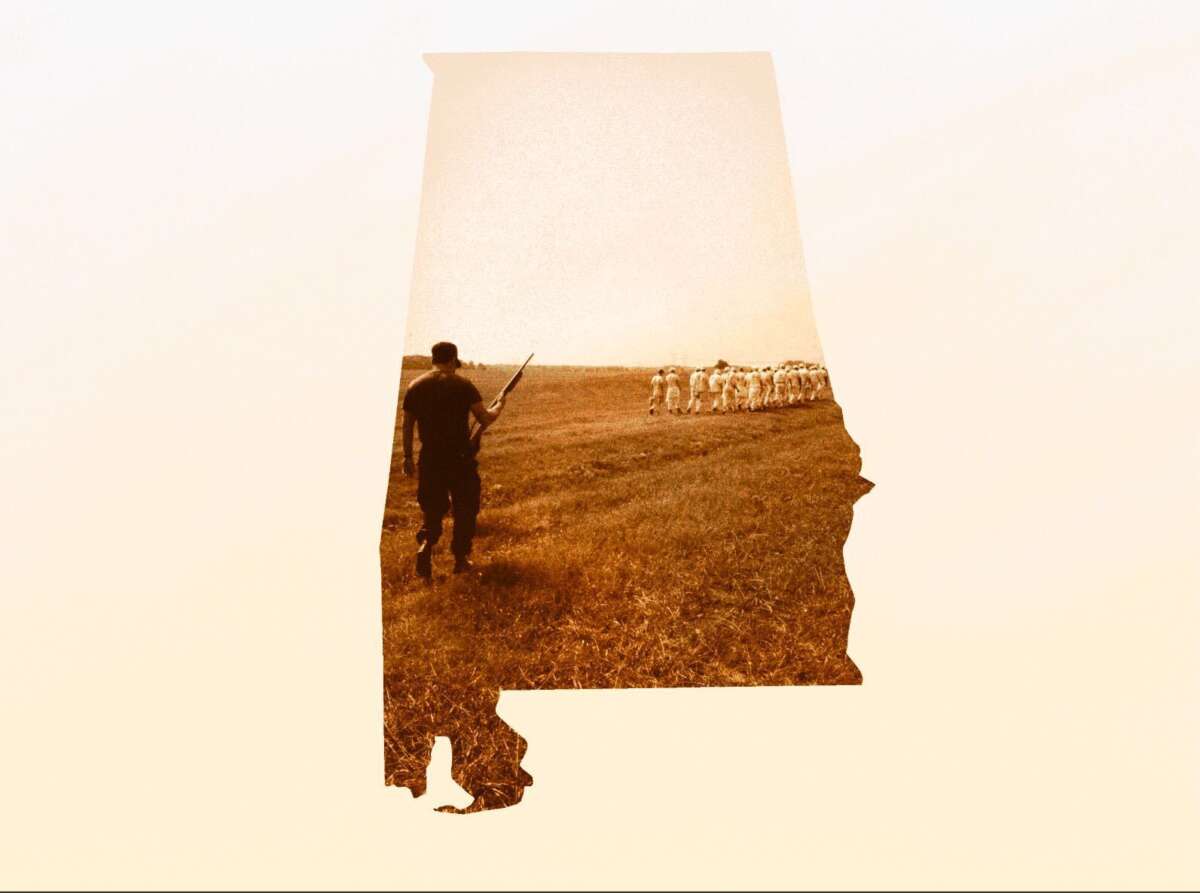
Alabama’s Constitutional Change
In 2022, Alabama voters approved a constitutional amendment to remove language permitting involuntary servitude as punishment for crime.
This followed a national trend revisiting how state constitutions align with the U.S. 13th Amendment’s exception clause regarding forced labor in prisons.
The amendment aimed to ban slavery and involuntary servitude “in all forms,” according to proponents.
Lawsuit Challenges State Practices
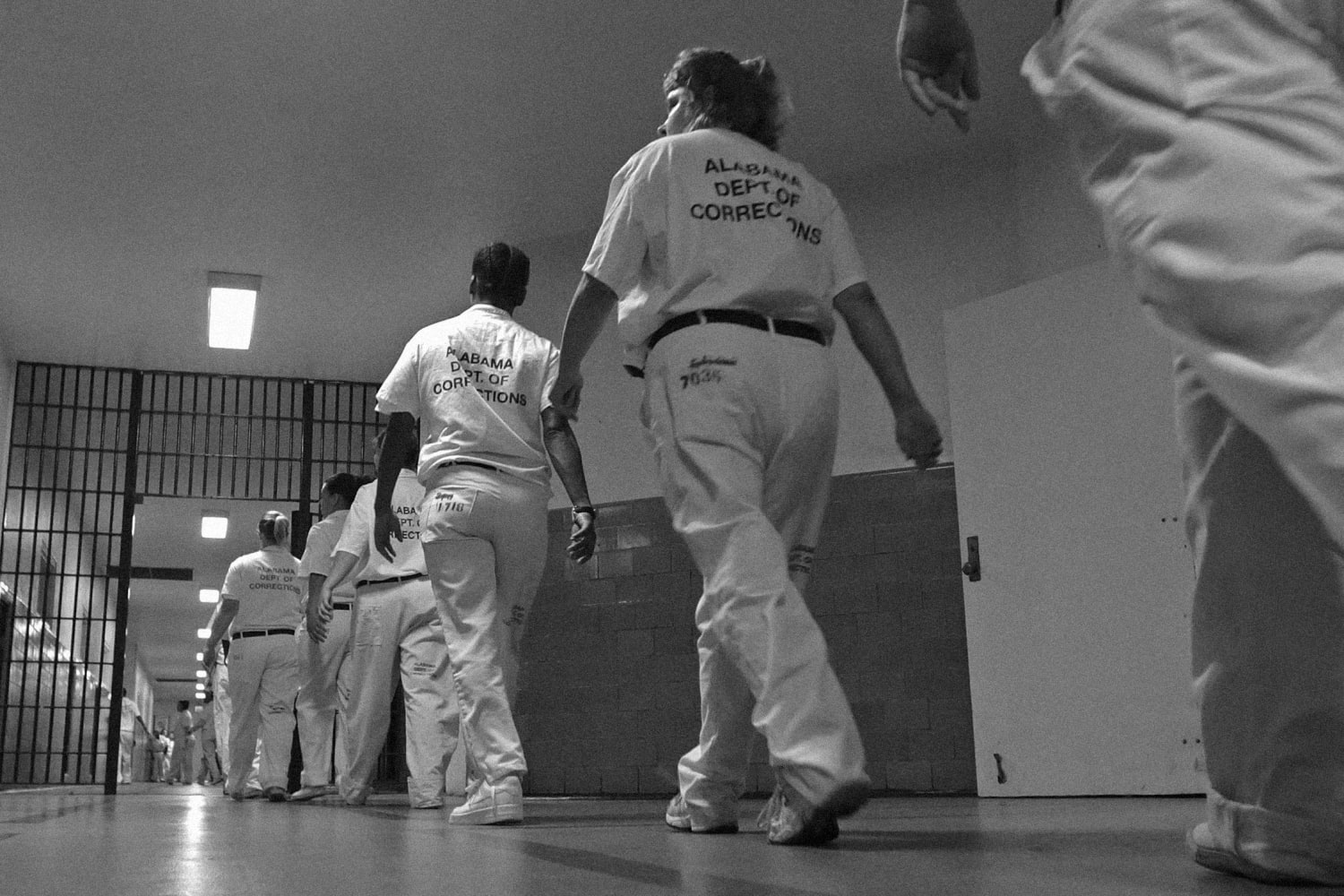
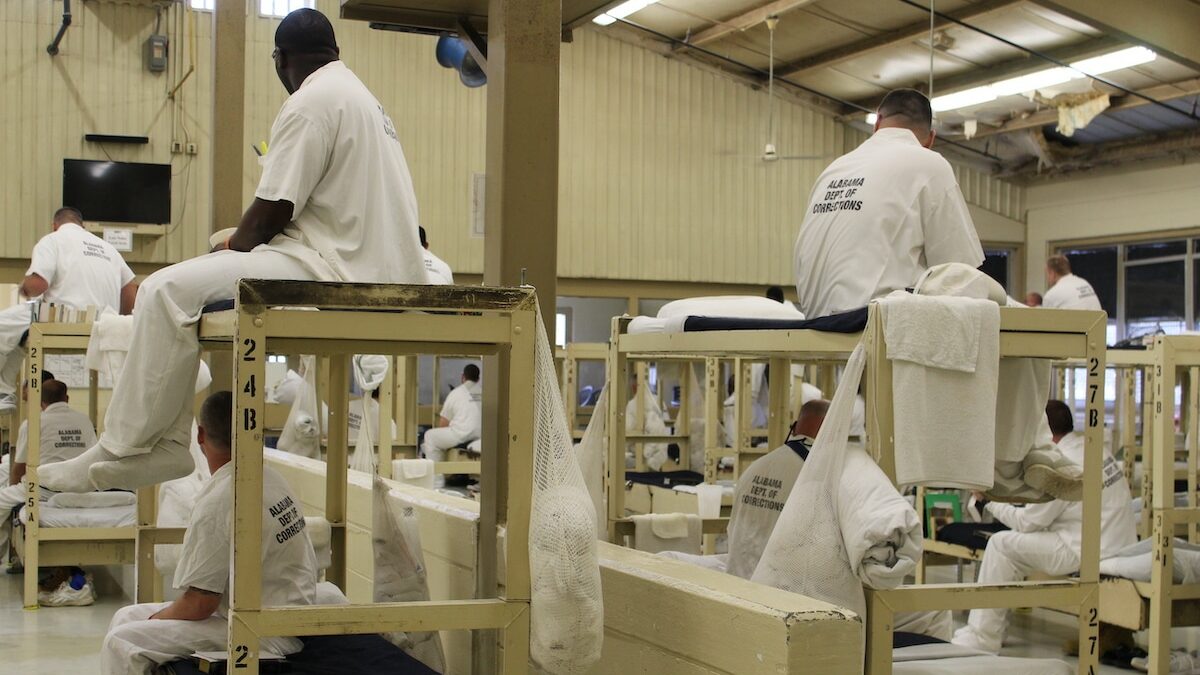
Despite the constitutional change, a group of incarcerated individuals filed a federal lawsuit in December 2023.
They allege that Alabama’s prison labor practices continue to be coercive, constituting forced labor.
The lawsuit names state officials and private companies that utilize inmate labor through work release programs.
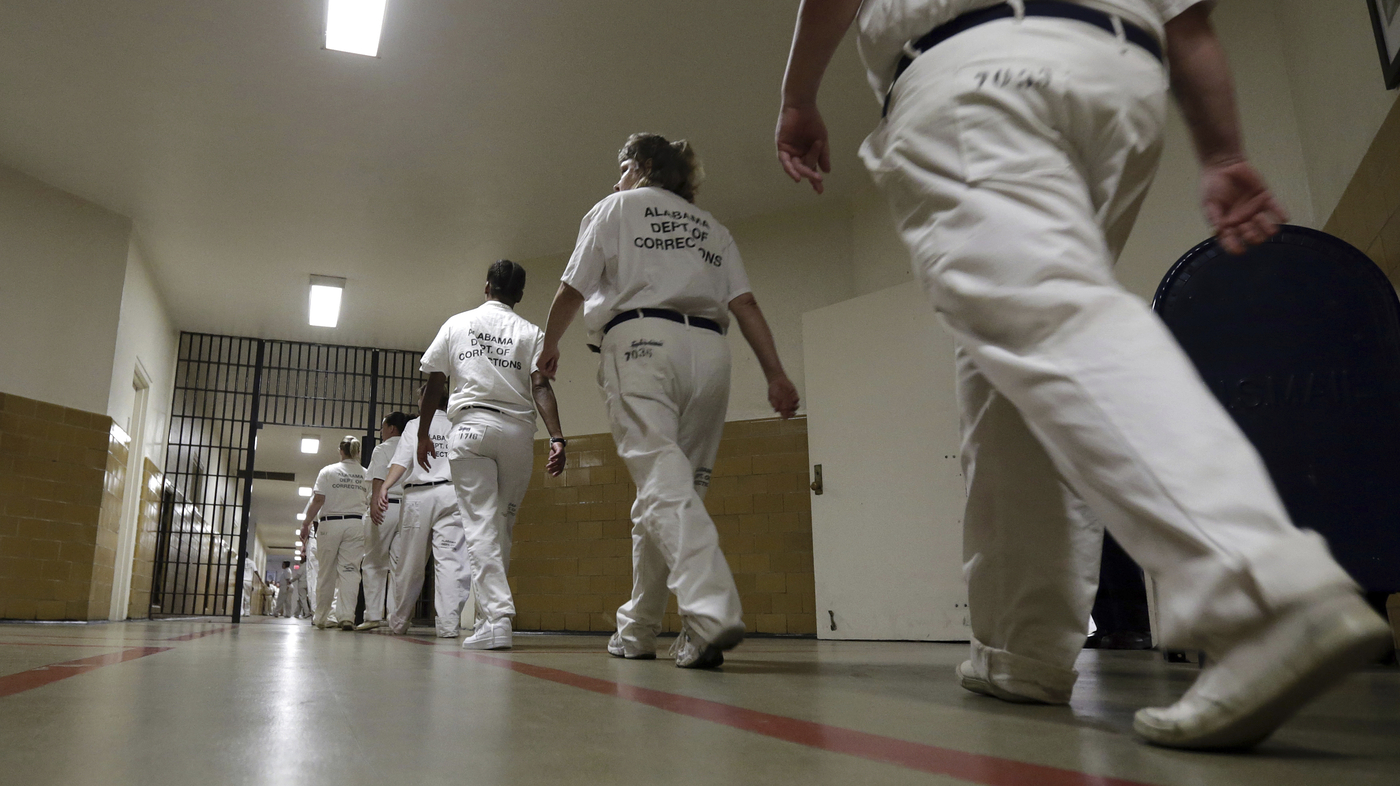
Plaintiffs claim refusal to work can lead to punishments like solitary confinement, transfers, or loss of parole eligibility.
They also invoke federal laws, including the Trafficking Victims Protection Act and the Ku Klux Klan Act of 1871, in addition to the state constitution.
Inmate work release programs often involve deductions from earnings, with states retaining a portion and charging fees for transportation or lodging.
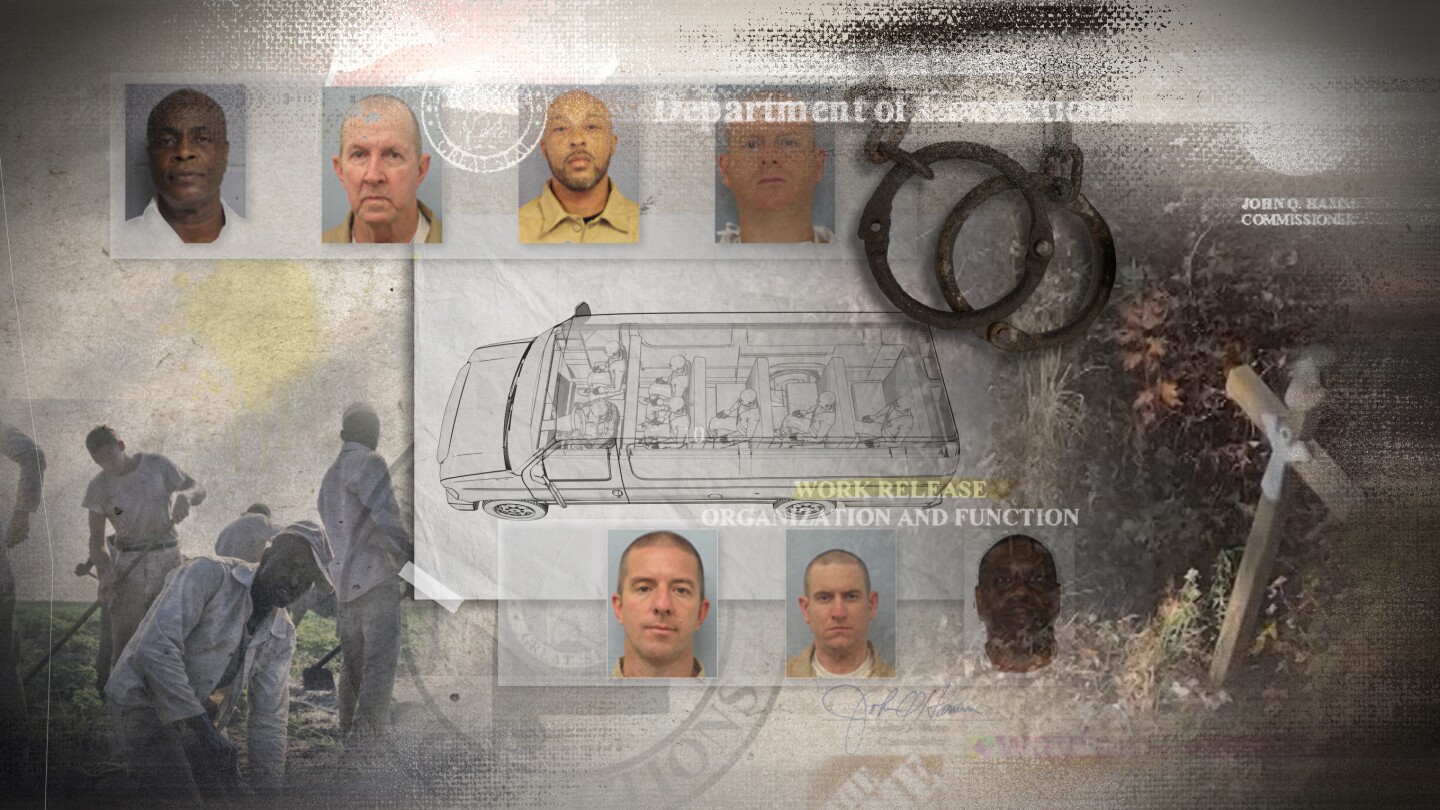
Company Defendants Respond
Several private companies are listed as defendants in the lawsuit due to their participation in the state’s work release program.
One such defendant is Bama Budweiser, a beer distributor.
Court filings show various legal strategies being employed by the defense.
Some initial defenses focused on procedural matters or the claim that plaintiffs did not directly work for the defendant company.
However, one specific response from Bama Budweiser drew particular attention.
The Distributor’s Argument
In its legal brief filed in March 2024, Bama Budweiser presented its argument for dismissal.
While also arguing the plaintiffs didn’t work for them, the brief contained language referencing the plaintiffs’ criminal convictions.
The filing stated:
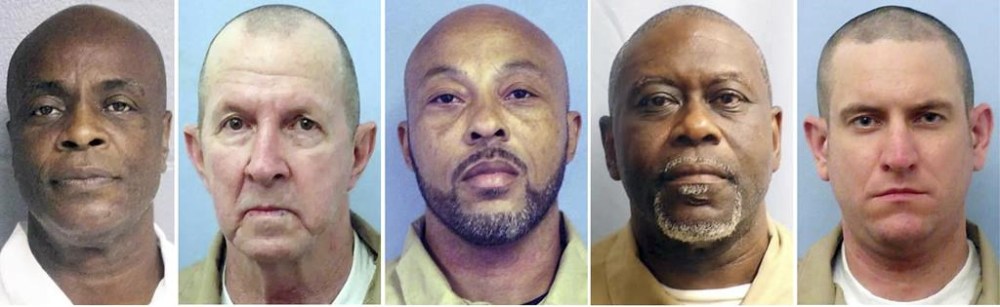
What we have, then, are two murderers, an attempted murderer, multiple violent felons, robbers, burglars, and drug dealers. And they come into this Court complaining about having to work for a beer distributor.
This passage appears to question the standing or validity of the plaintiffs’ claims based on the nature of their past crimes.
The legal brief did not extensively address the constitutional interpretation of the 2022 amendment itself.
The case is ongoing, with the court tasked with determining whether the state’s current work programs comply with the updated constitution and federal law.
The outcome could have significant implications for prison labor systems in Alabama and potentially other states.