Black Trump Voter Tells CNN ‘One Thousand Percent’ She’d Vote For Him Again
She didn’t back him the first time around, but now? Things have definitely changed.
It’s the kind of conversation that often raises eyebrows, challenging long-held political assumptions.
Surprising Voices Emerge
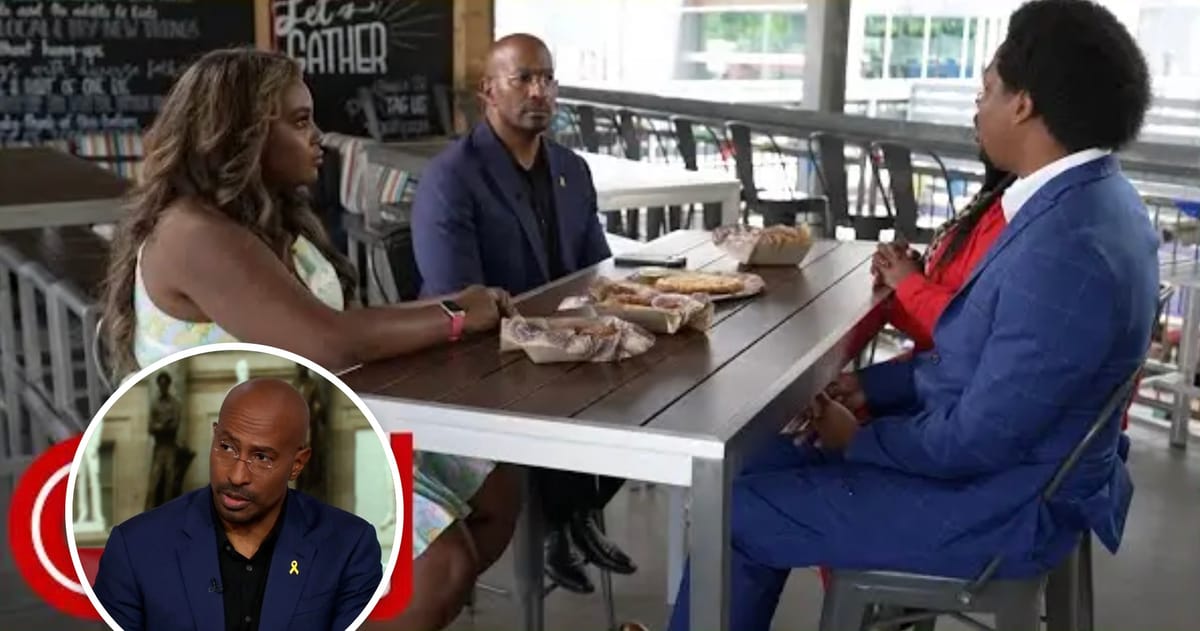
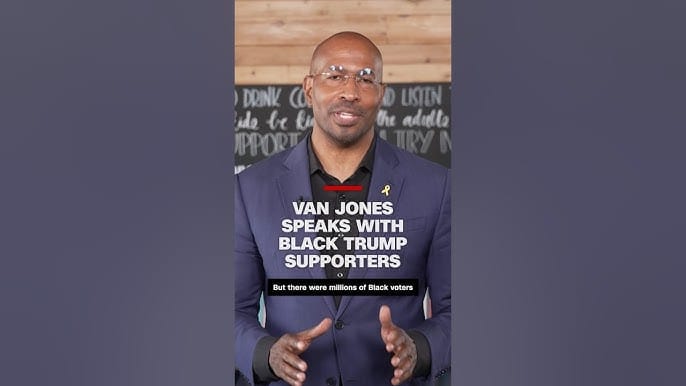
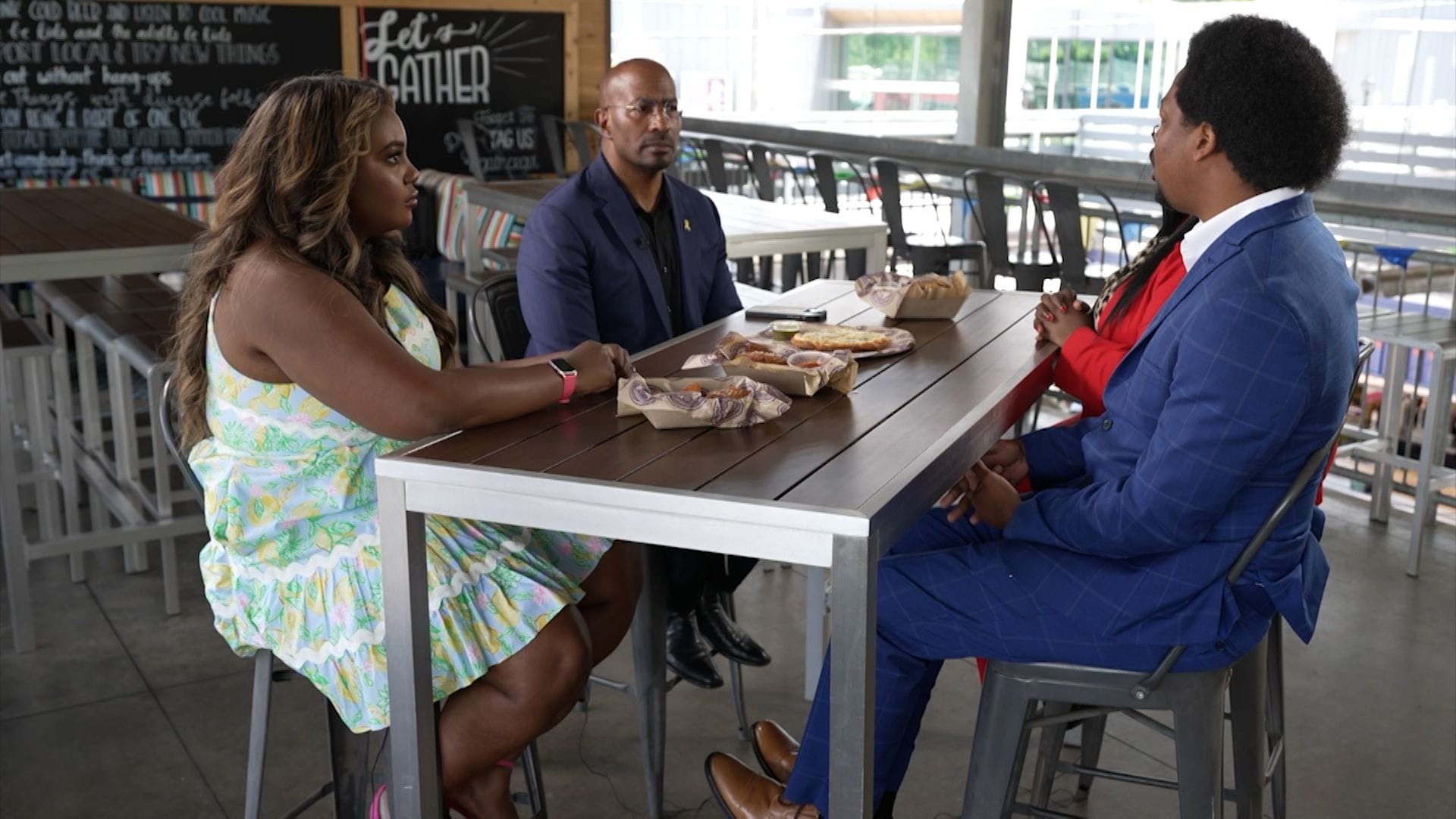
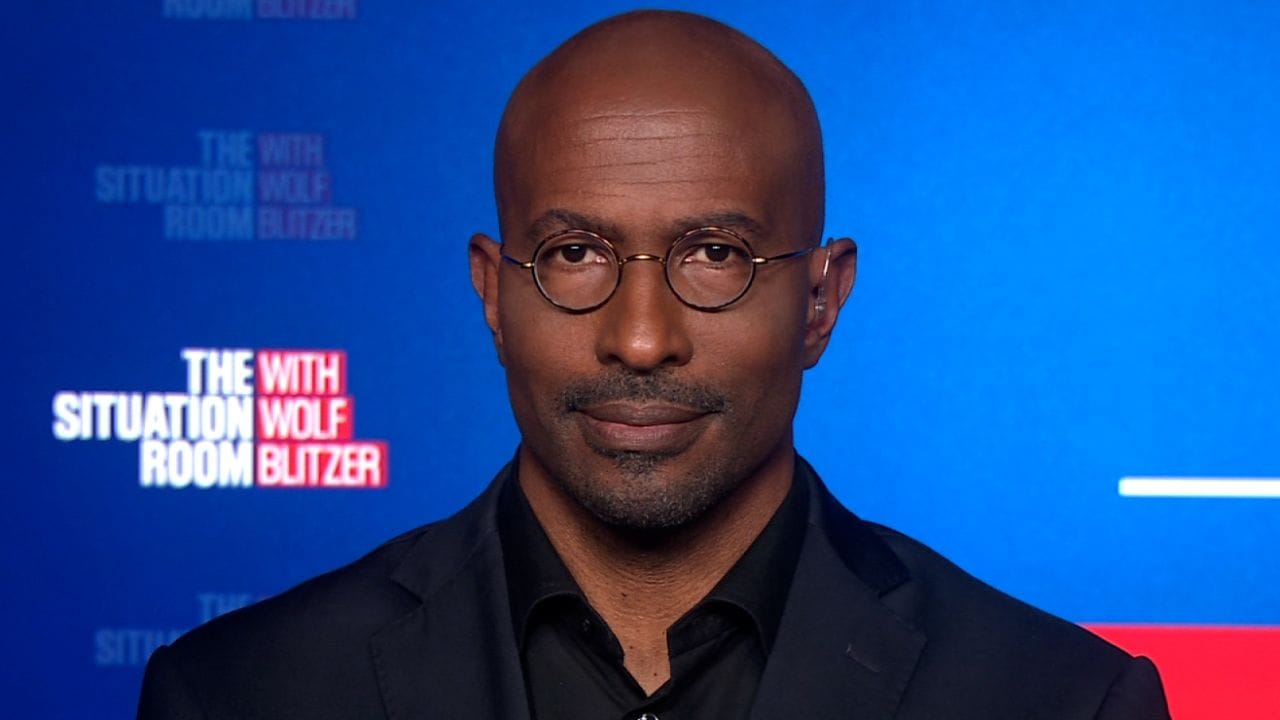
CNN’s Van Jones recently travelled to South Carolina for a segment that aired on “Anderson Cooper 360,” sitting down with a group often discussed but less frequently heard from directly: Black voters who support Donald Trump.
The discussion wasn’t about hypotheticals or future possibilities; it focused squarely on past decisions and whether, with hindsight, they’d make the same choice again.

The answers might surprise some viewers who expected voter’s remorse.
From Clinton Supporter to Trump Voter
One participant, Detra German, shared her voting history, highlighting a significant shift.
She cast her ballot for Hillary Clinton back in 2016.
But come 2020, she voted for Donald Trump.
When Jones asked if she would stick with that decision today, her answer was clear, though she maintained her political independence.
“Now, in the future, I am not a die-hard Democrat or die-hard Republican,” German explained. “If there were a Democratic candidate who was more aligned for me, than I would vote Democrat.”
But regarding her 2020 vote for Trump? She confirmed she would indeed vote for him all over again.
Family Ties and Policy Priorities
Another voter, Seth Dawkins, described growing up in a household that leaned heavily Democrat.
His family was “super Democratic,” he told Jones, indicating his own journey to supporting Trump wasn’t necessarily an inherited trait.
So what drew him to the Republican president?
Dawkins pointed specifically to policy, particularly regarding the nation’s borders.
He mentioned learning about the complexities of the border situation not through traditional news outlets, but via social media.
“I got that perspective not from news channels, I got it from social media,” Dawkins stated. “TikTok is like a holy grail.”
He elaborated on how platforms like TikTok offer alternative viewpoints, sometimes from international perspectives showing Americans different angles on their own government’s actions.
The Border Debate
The issue of immigration and border security remains a central theme in American politics, and it was clearly a deciding factor for Dawkins.
Trump campaigned heavily on tightening border controls and reducing illegal crossings during his first term, and has made it a cornerstone of his political platform since.
Statistics reported by Fox News, citing U.S. Customs and Border Protection (CBP), showed a significant drop in recorded illegal crossings in March 2025 (7,180) compared to the monthly average under the previous administration (155,000 under President Biden).
Jones probed Dawkins further on his perspective, asking if his concern stemmed from a belief that undocumented immigrants receive more assistance than citizens.
“For me, I like the border,” Dawkins confirmed when asked if he’d vote Trump again. “I just don‘t like the idea of someone coming here illegally and getting benefits that can serve my community. So that‘s the reason why I support him on that border policy.”
‘One Thousand Percent’ Certainty
But the most emphatic statement came from Kyasia Kraft, a young Black woman whose political allegiance has also evolved.
Kraft voted *against* Donald Trump in the 2016 election.
However, by 2020, she had switched her support and voted *for* him.
When Van Jones posed the crucial question – if she had to do it all over again, would she still vote for Trump?
Her response left no room for doubt.
“One thousand percent, absolutely yes,” Kraft declared.
Kraft also expressed frustration, stating she is “sick and tired of seeing Black people sit there and complain about something,” without actively pursuing change.
Her firm stance, alongside the views of German and Dawkins, highlights a segment of the Black electorate whose support for Trump remains solid, driven by specific policy concerns and a rejection of previous political alignments.
These voters, speaking candidly on CNN, demonstrate that political affiliations can be complex and sometimes defy easy categorization.