Bierocks
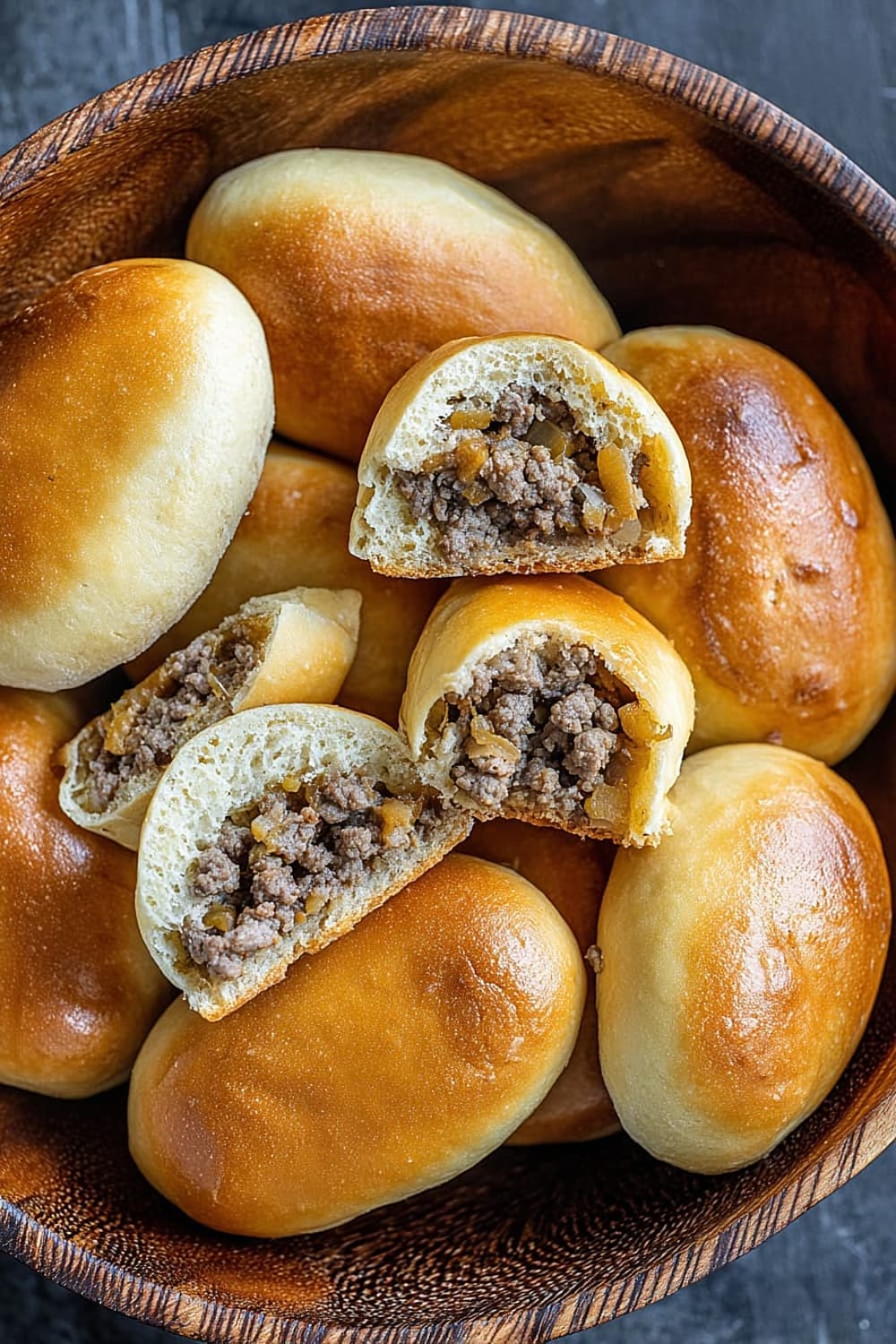
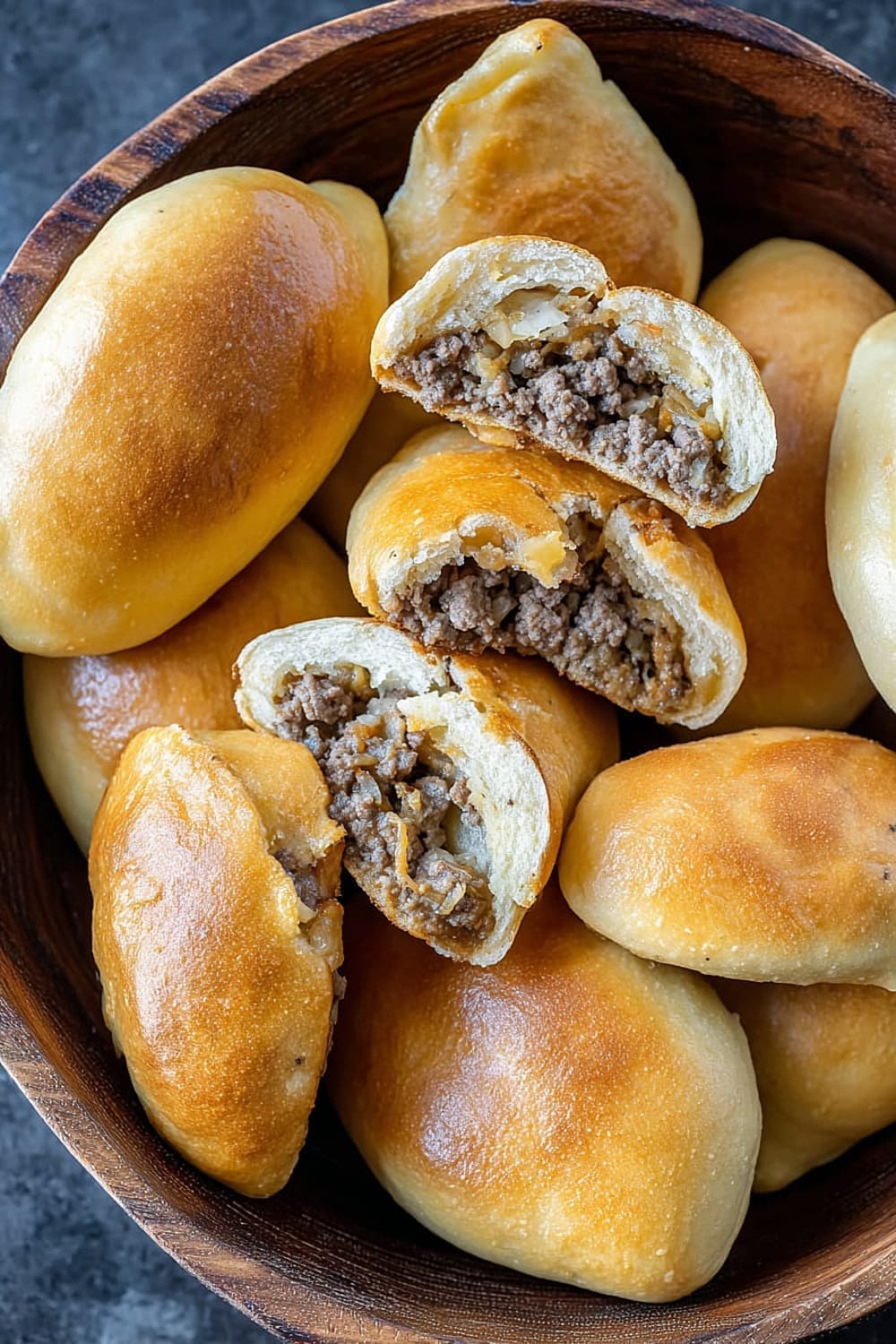
These bierocks are basically comfort food that decided to get fancy and dress up in a golden, pillowy yeast dough outfit.
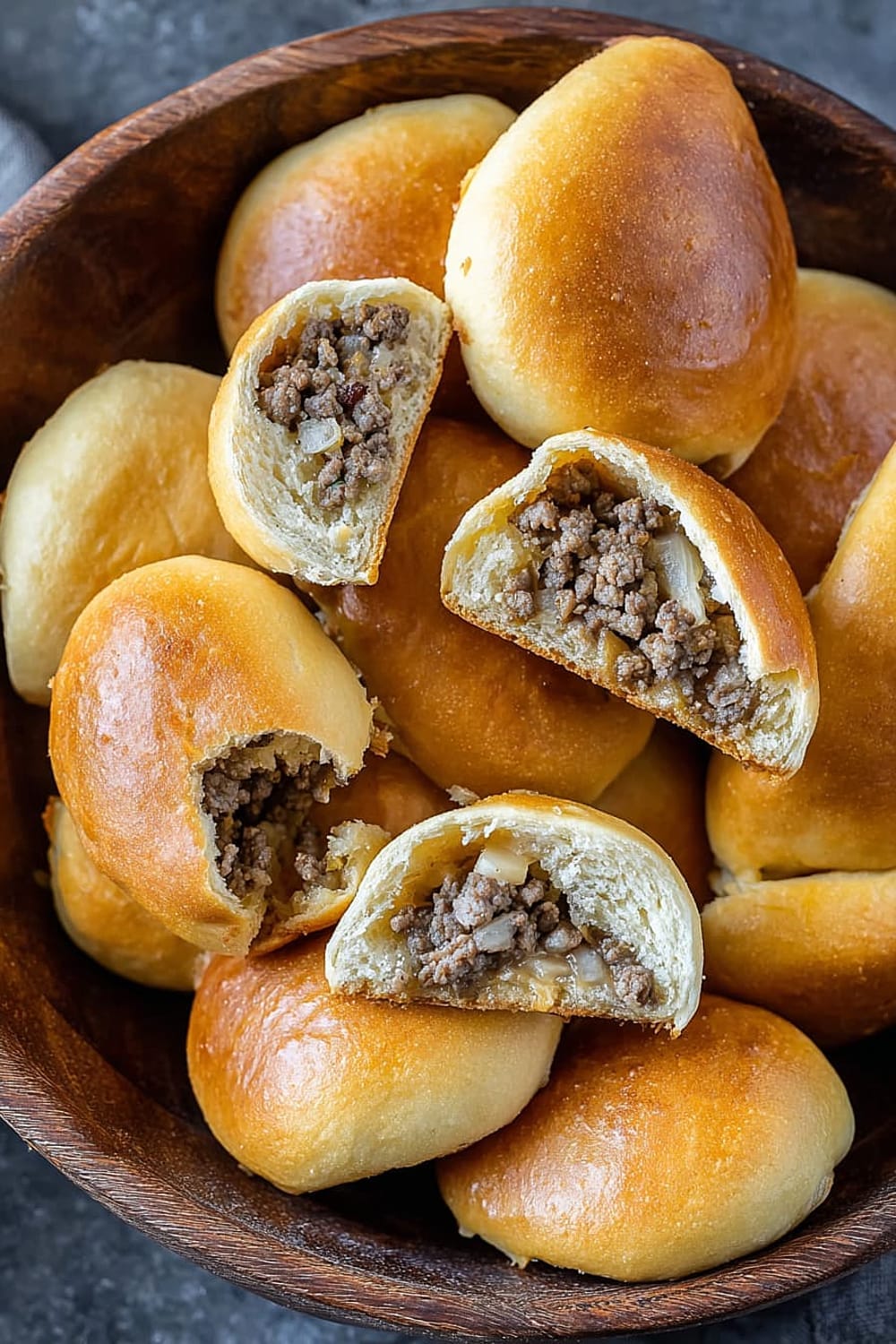
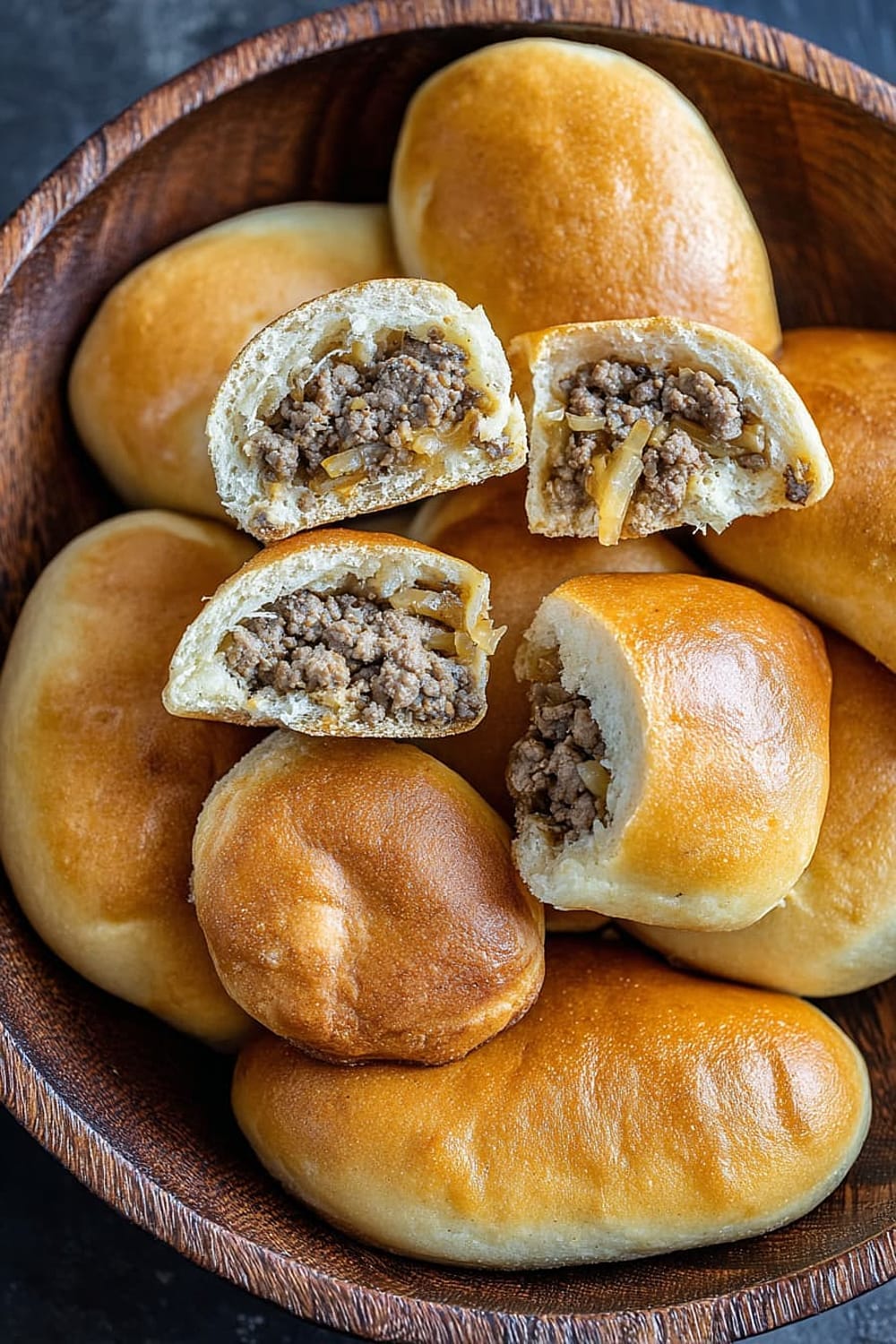
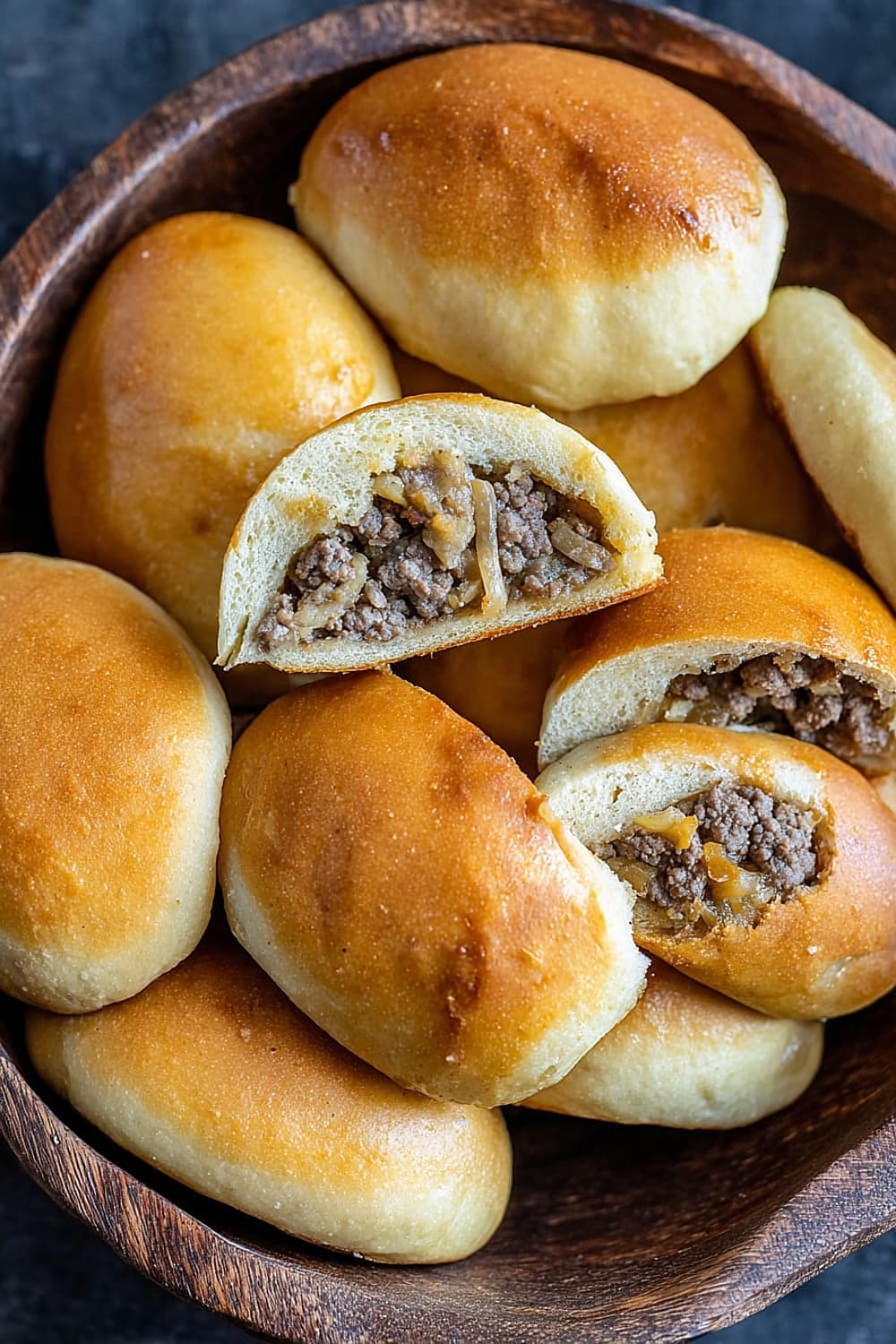
Picture this: savory ground beef mingling with tender cabbage and onions, all wrapped up with melted mozzarella cheese in a blanket of homemade bread that’s so soft it practically melts in your mouth.
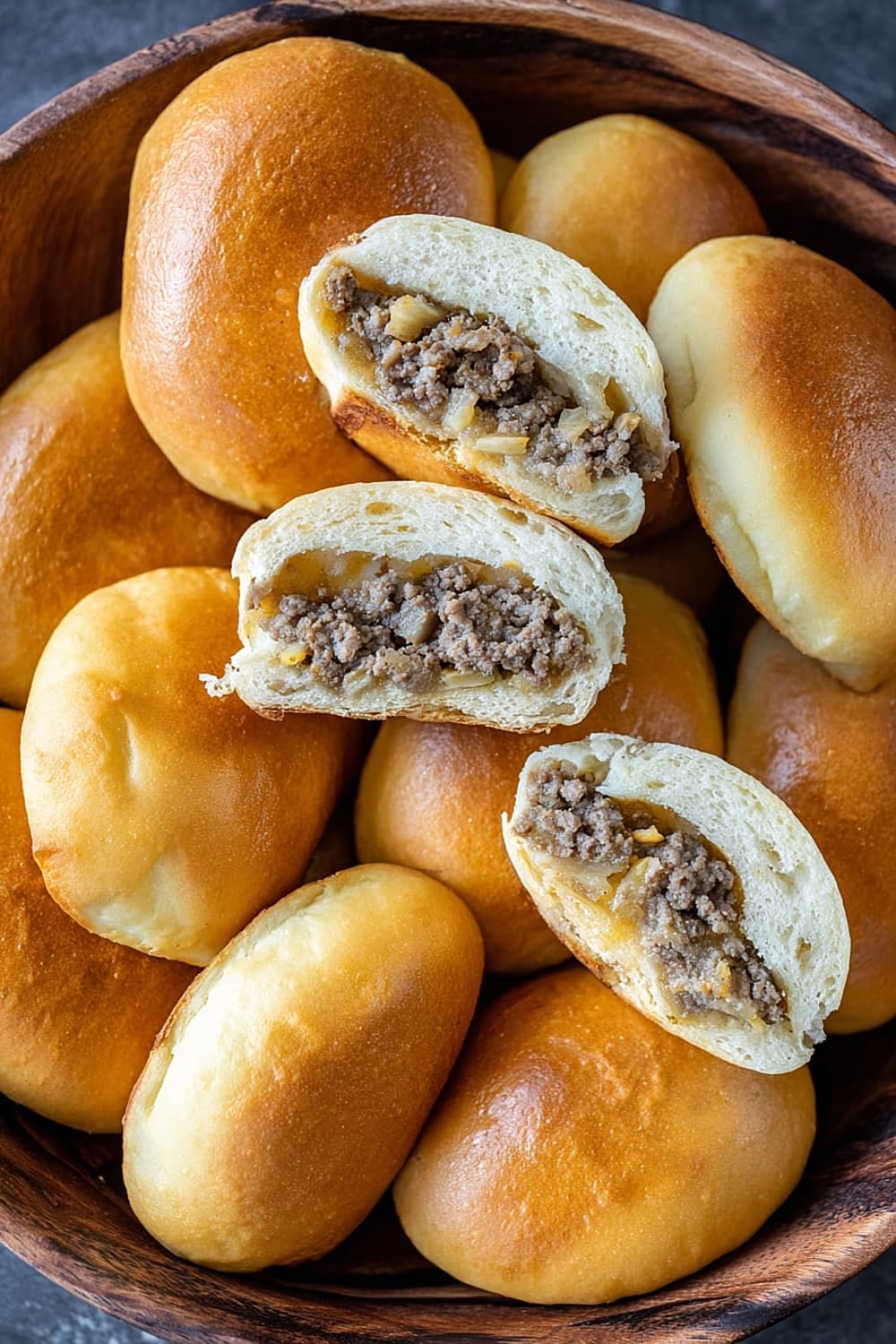
This recipe is proof that some of the best foods come from humble beginnings – originally a German-Russian immigrant dish that’s now a beloved Midwest staple that makes your kitchen smell like pure heaven.
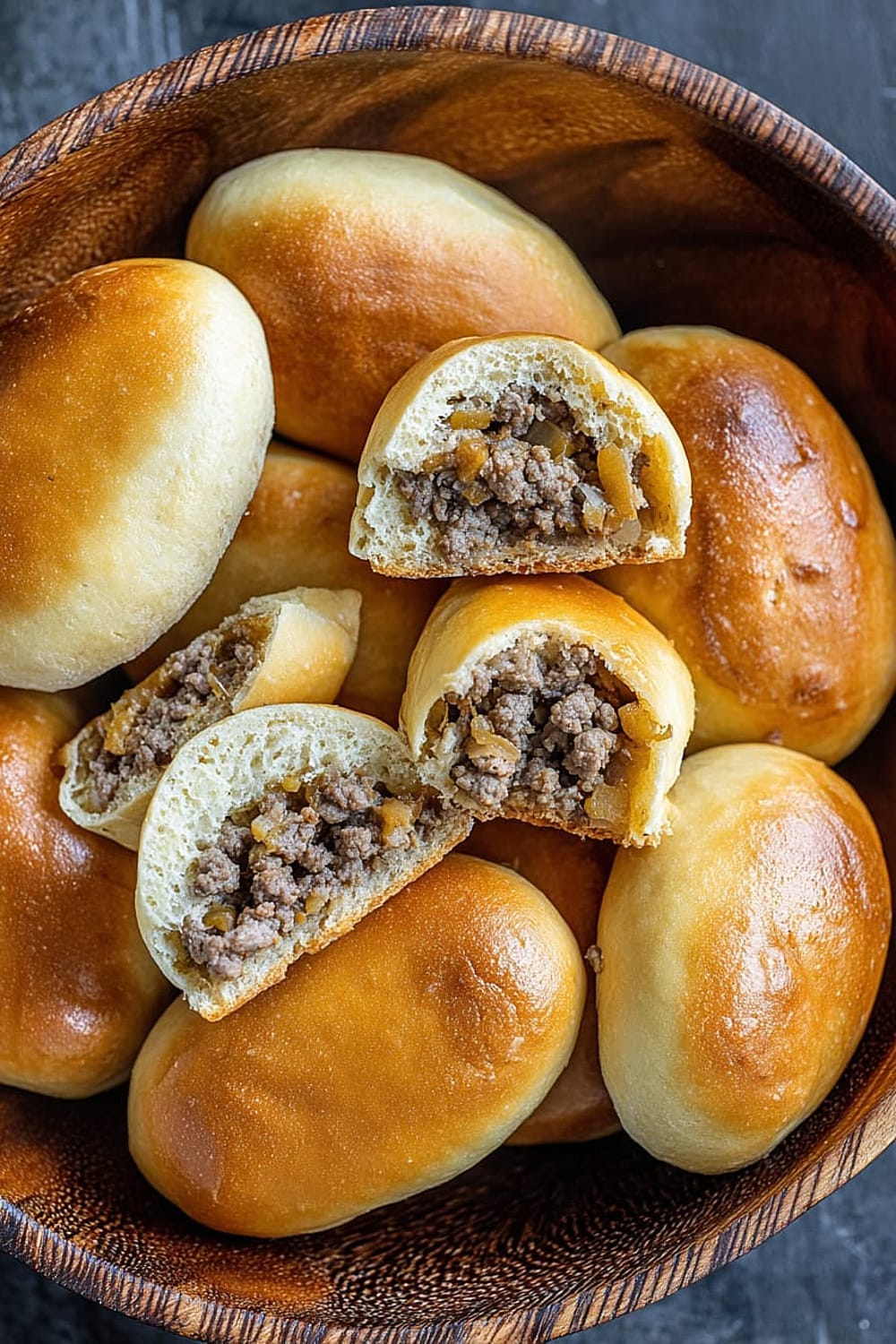
The beauty of bierocks lies in their perfect balance of textures: the crispy-golden exterior gives way to that fluffy, tender dough that cradles a filling so savory and satisfying it’ll have you planning your next batch before you’ve finished the first.
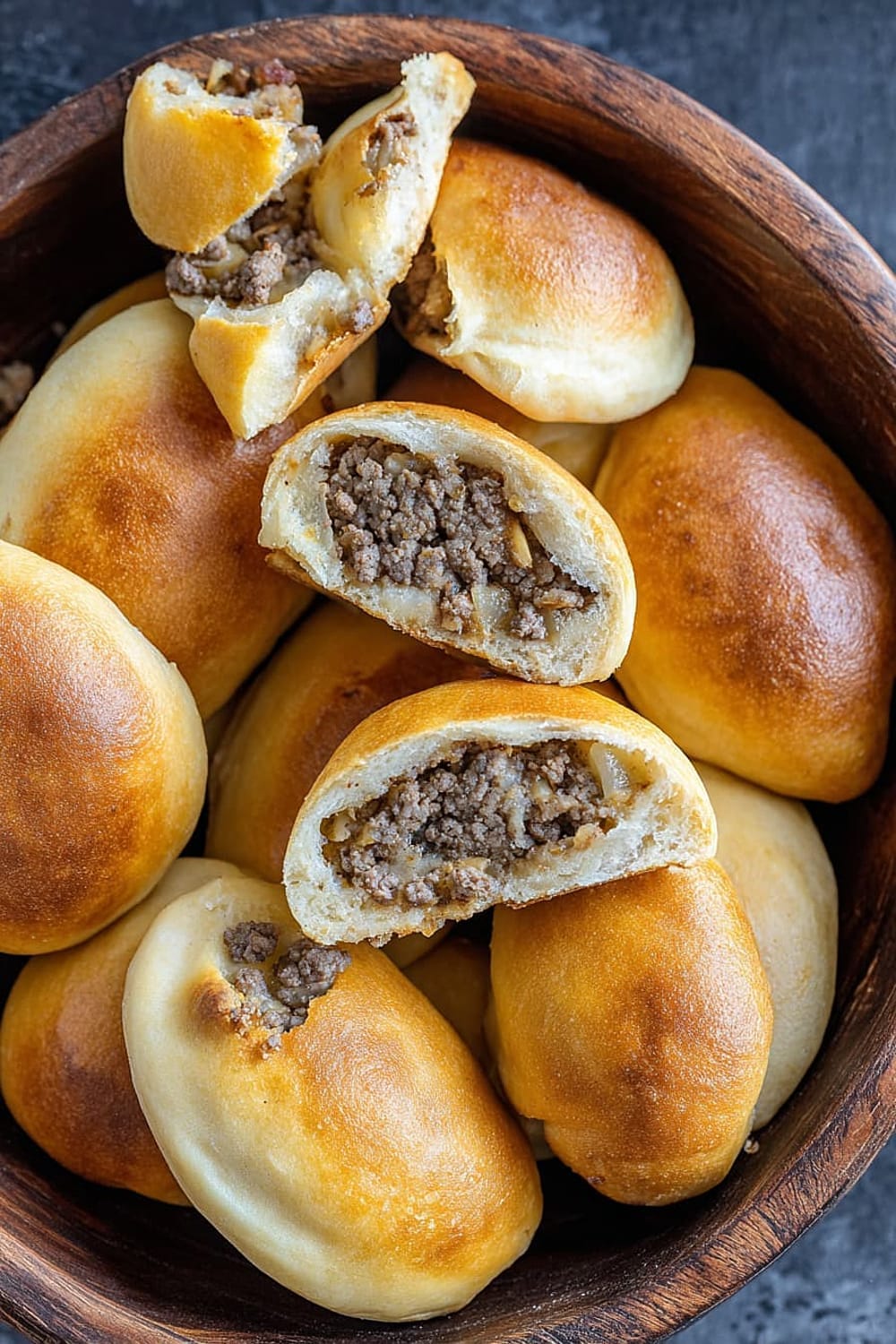
Warning: making these will result in people asking for the recipe, showing up unexpectedly around dinnertime, and possibly proposing marriage (results may vary, but the compliments are guaranteed).
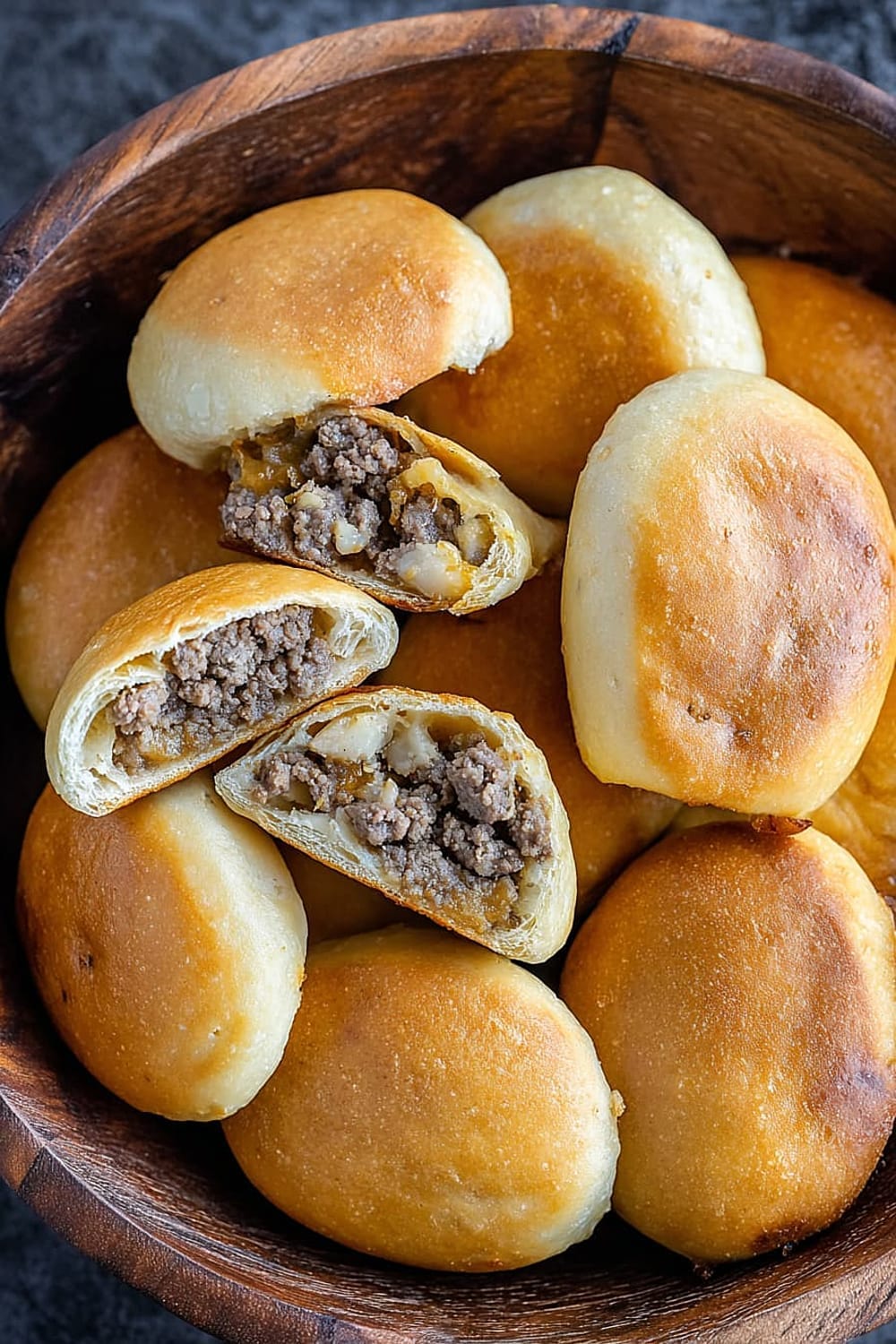
These handheld bundles of joy are perfect for meal prep, freezer stashing, or impressing anyone who thinks you can’t possibly make something this delicious from scratch – spoiler alert: you absolutely can.
Ingredients
For the Dough
- 1 Perfect Yeast Dough (1500 grams, with sugar reduced to 1 tablespoon)
For the Filling
- 2 lbs ground beef (90/10 lean-to-fat ratio)
- 1 /2 medium cabbage head, shredded (about 1 lb)
- 1 large onion, diced
- 1 lb mozzarella cheese, shredded
- 1 tbsp salt (adjust to preference)
- 1 tsp pepper (adjust to preference)
For the Egg Wash
- 1 large egg
- 1 tbsp water
Instructions
Prepare the Dough
- 1 Prepare the Perfect Yeast Pastry Dough recipe as instructed, but reduce the sugar to 1 tablespoon to keep the dough savory. This modification ensures the dough complements the savory filling without competing sweetness. Allow the dough to rise according to the original recipe instructions, which typically takes about 1 hour 30 minutes for full development.
Make the Filling
- 2 Heat a large cast iron skillet over medium-high heat until it’s properly preheated (about 2-3 minutes). Add the ground beef and diced onion, breaking the beef apart with a wooden spoon or silicone spatula as it cooks. The key here is to break the meat into small, uniform pieces for even cooking and better distribution in the final bierocks.
- 3 Sauté the beef and onion mixture until the beef is completely browned and the onions are tender and translucent, about 12-15 minutes. You’ll know it’s ready when the beef has lost all pink color and the onions have softened considerably. Reduce the heat to medium to prevent burning.
- 4 Add the shredded cabbage to the skillet and continue cooking until the cabbage is tender and has reduced in volume significantly, about 8-10 minutes. The cabbage will release moisture initially, which should cook off. Season the mixture generously with salt and pepper to taste, then stir in the shredded mozzarella cheese until melted and well incorporated. Remove from heat and let cool slightly.
Assemble the Bierocks
- 5 Line two large baking sheets with parchment paper for easy cleanup and to prevent sticking. After the dough has completed its rising time, gently deflate it by pressing down with your hands to release the gas bubbles. Transfer the dough to a well-floured surface and divide it into 16 equal pieces (about 90g each). A kitchen scale is incredibly helpful here for ensuring uniform size.
- 6 Shape each piece into a smooth ball by tucking the edges underneath and rolling gently on the work surface. Cover the dough balls with a clean kitchen towel and set them aside to prevent drying out while you work.
- 7 Working with one dough ball at a time, roll each piece into a 6-inch round using a rolling pin, making sure to thin the edges slightly while keeping the center a bit thicker. If the dough springs back or recoils, allow it to rest for 5 minutes before continuing – this relaxes the gluten and makes rolling easier.
- 8 Place 1/2 cup of the cooled filling in the center of each dough round, leaving a 1-inch border around the edges. Don’t overfill, as this can cause the dough to burst during baking.
Seal and Shape
- 9 Gather the edges of the dough up and over the filling, creating pleats as you work your way around. Pinch the seams together firmly to seal completely – any gaps will allow filling to leak out during baking. Twist the gathered dough at the top, then press gently to flatten the seam area.
- 10 Place each bierock seam-side down on the prepared parchment-lined baking sheets, leaving 2-3 inches of space between each one to allow for expansion during the final rise and baking.
Final Rise and Baking
- 11 Preheat your oven to 350°F (175°C). Allow the assembled bierocks to rest for 30 minutes until they become visibly puffy and slightly increased in size. This final rise ensures a light, tender texture in the finished product.
- 12 In a small bowl, whisk together the egg and water to create an egg wash. Using a pastry brush, gently brush the top and sides of each bierock with the egg wash. This creates that beautiful golden-brown color and adds an appealing shine to the finished bierocks.
- 13 Bake the bierocks for 30-35 minutes, rotating the baking sheets halfway through the cooking time to ensure even browning. They’re done when they’re golden brown all over and sound hollow when tapped on the bottom. The internal temperature should reach 190°F (88°C) for fully cooked dough.
- 14 Cool the bierocks on a wire rack for 5 minutes before serving. This brief cooling period allows the filling to set slightly while keeping the exterior crispy. Serve warm with mustard or your choice of condiments.
Recommended Equipment and Kitchen Tools
Essential Tools (for best results)
- Large cast iron skillet or heavy-bottomed pan – provides even heat distribution for browning the meat and cooking the cabbage filling without hot spots
- Kitchen scale – ensures perfectly uniform bierock sizes by weighing each 90g portion of dough for consistent baking
- Rolling pin – creates even 6-inch rounds with properly thinned edges for optimal sealing
- Parchment paper – prevents sticking and makes cleanup effortless while allowing proper air circulation
Helpful Upgrades
- Stand mixer with dough hook – makes the yeast dough preparation significantly easier and ensures proper gluten development
- Bench scraper – invaluable for dividing dough into equal portions and transferring without sticking
- Silicone spatula – perfect for stirring the filling without scratching your cookware
- Instant-read thermometer – takes the guesswork out of checking internal temperature for perfectly cooked dough
Nice-to-Have Options
- Large mixing bowls – provides ample space for rising dough and mixing filling ingredients
- Pastry brush – ensures even egg wash application for that professional golden finish
- Wire cooling racks – allows proper air circulation for cooling without soggy bottoms
Recipe Variations and Dietary Modifications
Traditional Variations
- Sauerkraut Bierocks – Replace fresh cabbage with 2 cups drained sauerkraut for a tangier, more traditional German flavor
- Pork and Beef Blend – Use 1 lb ground beef and 1 lb ground pork for richer, more complex flavor
- Cheese Variations – Try sharp cheddar, Swiss, or Monterey Jack instead of mozzarella for different flavor profiles
Gluten-Free Adaptation
- Replace yeast dough with gluten-free bread flour blend (use 1:1 ratio plus 1 tsp xanthan gum if not included)
- Expect slightly denser texture but equally delicious results
- Allow extra rising time (2-2.5 hours) for proper development
Dairy-Free Modifications
- Substitute dairy-free mozzarella shreds or nutritional yeast for cheese
- Use plant-based milk in the dough recipe
- Brush with plant milk instead of egg wash for golden color
Low-Carb Version
- Create cabbage leaf wraps instead of dough – blanch large cabbage leaves and wrap around filling
- Use cauliflower rice mixed with almond flour for a low-carb “dough” alternative
- Reduces carbs from approximately 45g to 8g per serving
Flavor Variations
- Southwestern Style – Add diced jalapeños, cumin, and pepper jack cheese
- Italian Inspired – Include Italian seasoning, sun-dried tomatoes, and provolone cheese
- Breakfast Bierocks – Use breakfast sausage, scrambled eggs, and hash browns for filling
Nutritional Information and Health Benefits
Key Nutritional Highlights
Each bierock contains approximately 385 calories with a balanced macronutrient profile: 22g protein, 28g carbohydrates, and 18g fat. The combination of lean ground beef and mozzarella cheese provides high-quality complete proteins essential for muscle maintenance and satiety. The cabbage contributes significant vitamin C (about 30% daily value) and vitamin K, while adding 4g fiber per serving to support digestive health.
Health Benefits of Main Ingredients
The ground beef provides iron, zinc, and B vitamins, particularly B12 which is crucial for energy metabolism and neurological function. Cabbage is a nutritional powerhouse, offering antioxidants like sulforaphane and anthocyanins that support cellular health and may have anti-inflammatory properties. The onions contribute quercetin, a powerful antioxidant that supports heart health and immune function. Mozzarella cheese provides calcium and phosphorus for bone health, plus conjugated linoleic acid which may support metabolism.
Dietary Considerations
Contains gluten (wheat flour), dairy (cheese), and eggs. Each serving provides approximately 15% daily value of calcium and 25% daily value of protein. The yeast dough provides B vitamins and complex carbohydrates for sustained energy. Portion control is key – one bierock makes a satisfying meal when paired with a light salad or vegetables.
Smart Swaps and Ingredient Substitutions
Common Substitutions:
- Ground beef → Ground turkey or ground chicken (use 93/7 lean ratio for similar texture)
- Mozzarella cheese → Sharp cheddar, Swiss, or Gouda (use same quantity)
- Fresh cabbage → Coleslaw mix or pre-shredded cabbage (saves prep time)
- Yellow onion → White onion or sweet onion (adjust cooking time slightly)
Budget-Friendly Swaps:
- Ground beef → Ground turkey (often $2-3 less per pound)
- Fresh mozzarella → Block mozzarella you shred yourself (saves 30-40% on cost)
- Homemade yeast dough → Frozen bread dough (thaw completely before using)
Pantry Emergency Substitutions:
- Fresh cabbage → Frozen chopped cabbage (thaw and drain excess water first)
- Fresh onion → 2 tbsp onion powder or 1/2 cup frozen diced onions
- Mozzarella → Any melting cheese you have on hand
Pro Tips for Substitutions:
- When using leaner ground meat, add 1 tbsp olive oil to prevent drying
- Pre-cooked fillings can be refrigerated up to 3 days before assembly
- Frozen assembled bierocks can be baked directly from frozen (add 10-15 minutes to baking time)
Make It Diabetes-Friendly
Carb Reduction Strategies:
- Reduce dough portion – Use 60g dough per bierock instead of 90g (saves 12g carbs each)
- Increase filling ratio – More protein and vegetables, less dough wrapper
- Whole wheat flour substitution – Replace 25% of white flour with whole wheat for added fiber and slower glucose response
Portion & Timing Tips:
- Serve 1 bierock with large side salad instead of 2 bierocks alone
- Pair with protein – Add 2 tbsp nuts or Greek yogurt to slow carb absorption
- Estimated carbs per bierock: 28g (reduced to 22g with modifications)
- Best timing – Serve as lunch or early dinner when insulin sensitivity is typically higher
Blood Sugar Friendly Modifications:
- Add extra vegetables – Dice bell peppers or mushrooms into filling for volume without carbs
- Use part cauliflower rice – Replace 1/4 of cabbage with cauliflower rice for lower carb density
- Smaller, more frequent – Make 24 mini bierocks instead of 16 regular for better portion control
Total Carb Reduction: Modified version contains approximately 22g carbs vs 28g in original recipe
Perfect Pairing Suggestions
Beverage Pairings
A German wheat beer or Czech pilsner complements the traditional flavors beautifully, while the crisp carbonation cuts through the rich, cheesy filling. For wine lovers, a light Pinot Noir or Beaujolais pairs wonderfully with the beef and cabbage combination. Non-alcoholic options include sparkling apple cider, ginger beer, or iced tea with lemon to balance the savory richness.
Side Dish Recommendations
Serve alongside German potato salad or roasted root vegetables to create an authentic Central European meal. A crisp coleslaw with apple cider vinegar dressing provides refreshing contrast to the warm, rich bierocks. Pickled vegetables like dill pickles or pickled beets cut through the richness while honoring the German heritage. Sauerkraut on the side allows guests to add extra tangy flavor as desired.
Complete Meal Ideas
Start with German cucumber salad or pretzel rolls as appetizers. Follow the bierocks with apple strudel or German chocolate cake for dessert. For casual entertaining, set up a mustard bar with Dijon, whole grain, and spicy brown mustards for dipping. Warm German potato soup makes an excellent starter for cooler weather meals.
Occasion Suggestions
Perfect for Oktoberfest celebrations, tailgate parties, or casual family dinners. These travel well for potluck gatherings and picnics. Excellent comfort food choice for fall and winter entertaining when hearty, warming foods are most appreciated.
Pro Tips and Troubleshooting
Professional Techniques
Let the filling cool completely before assembling to prevent the dough from becoming soggy and difficult to seal. When rolling dough, work from the center outward to maintain even thickness, and always keep unused dough balls covered with a damp towel to prevent surface drying. Chill assembled bierocks for 15 minutes before baking if they seem too soft to handle – this firms up the dough and makes them easier to work with.
Common Mistakes and Solutions
Overfilling is the most frequent error – stick to 1/2 cup filling maximum or the seams will burst during baking. If your dough tears during assembly, it’s likely over-risen; gently deflate and let rest 10 minutes before continuing. Soggy bottoms result from insufficient cooling time or too much moisture in the filling – always drain excess liquid from the cooked vegetables.
Storage and Make-Ahead
Baked bierocks keep in the refrigerator for 5 days and reheat beautifully in a 350°F (175°C) oven for 8-10 minutes. Freeze unbaked assembled bierocks on baking sheets, then transfer to freezer bags for up to 3 months. Bake from frozen at 325°F (165°C) for 45-50 minutes. The filling can be made 2 days ahead and refrigerated, making assembly day much quicker.
Scaling and Presentation
This recipe doubles perfectly for large gatherings – use 4 baking sheets and rotate positions halfway through baking. For elegant presentation, brush with egg wash and sprinkle with sesame seeds or poppy seeds before baking. Mini versions make excellent appetizers – divide dough into 32 pieces and bake for 20-25 minutes.
These bierocks represent the perfect marriage of convenience and comfort – handheld bundles of joy that bring together the best of hearty German-Russian tradition with modern American practicality. Whether you’re feeding a crowd, meal prepping for the week, or simply craving something that tastes like a warm hug, these golden beauties deliver every single time. The combination of tender yeast dough, savory beef and cabbage filling, and melted cheese creates a symphony of flavors and textures that will have everyone asking for seconds – and the recipe.