Animal shelter battles state over funding after thousands of chicks left in USPS truck
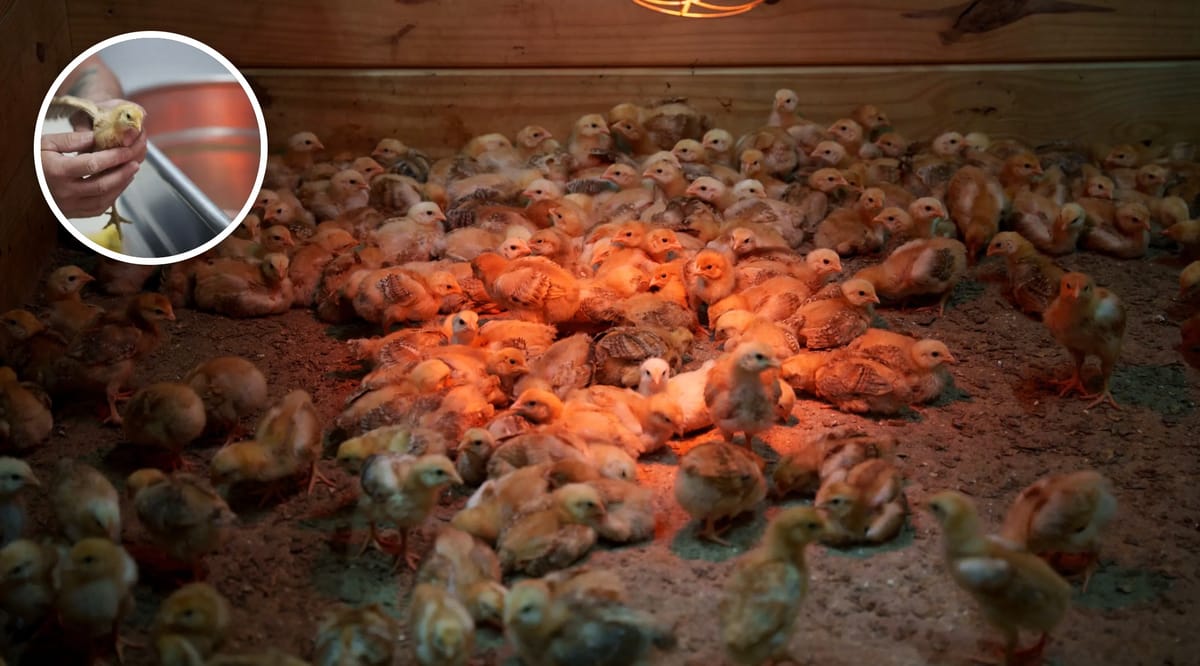
It’s a scene straight out of a bizarre nightmare – thousands of tiny chicks, abandoned and fighting for survival inside a scorching hot truck.
Now, an overwhelmed animal shelter is facing a financial battle just to keep the survivors alive.
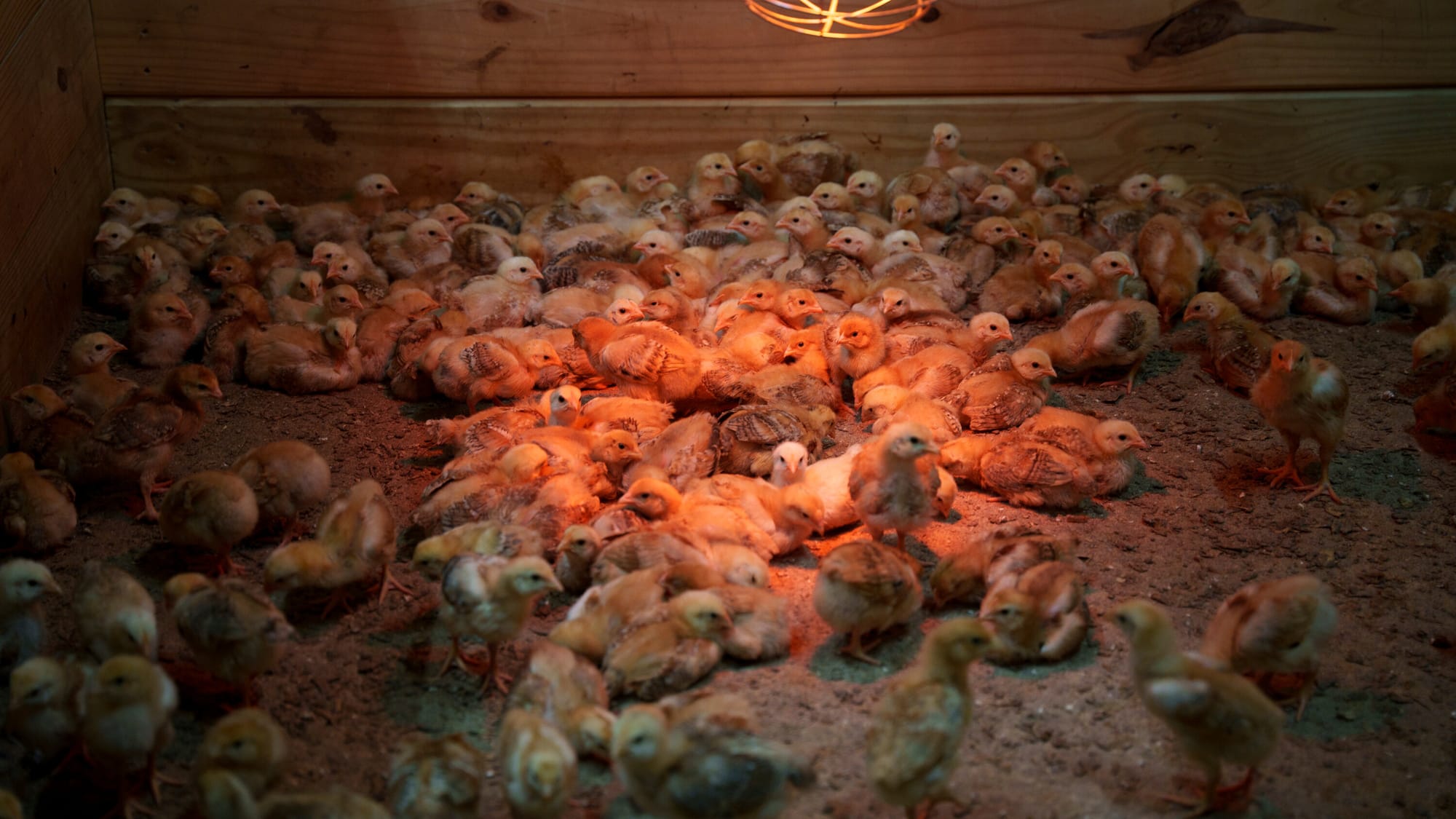
Imagine opening a truck to find thousands of distressed, tiny birds. That’s what happened after a shipment of roughly 12,000 chicks was left in a United States Postal Service truck for three days in Delaware.
Tragically, many did not survive the ordeal, trapped without food or water in a warm enclosure.
The discovery was made on May 2nd, leaving officials scrambling for answers.
The USPS acknowledged a “process breakdown” and stated they were actively investigating the incident.
Shipping live animals, especially chicks, is a service the Postal Service has provided for over a century.
Their website notes they transport thousands of chicks annually.
According to USPS guidelines, chicks can typically be transported without food or water for up to 72 hours after hatching.
Adding food or water to the box is considered a risk to the box’s integrity and the safety of the birds.
The chicks originated from Freedom Ranger Hatchery in Pennsylvania, intended for distribution to clients across the country.
A spokesperson for the hatchery confirmed they couldn’t accept the chicks back due to strict biosecurity protocols.
The shipment was mistakenly routed to Delaware after delays and rejections at other distribution centers.
The hatchery felt it would have been better if USPS had completed the original deliveries, as the intended recipients were equipped to handle the birds, even if they were malnourished.
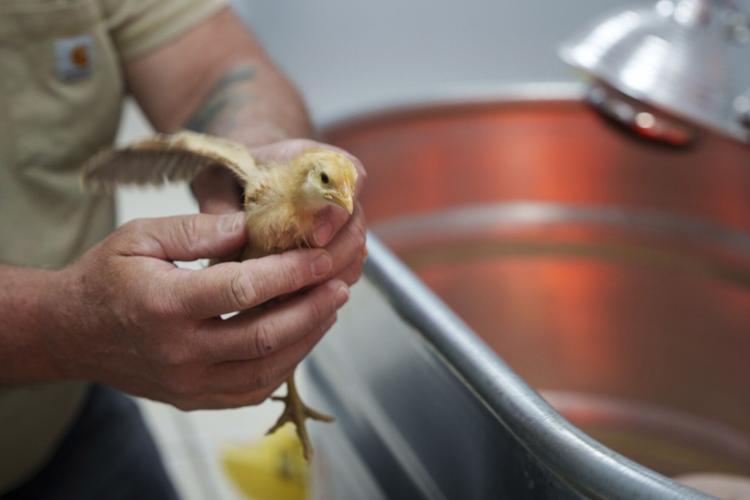
John Parana, executive director at First State Animal Center and SPCA, described the grim scene upon arrival at the shelter.
After three and a half days in the heat, these crates were wet with dead fowl. It was a mess.
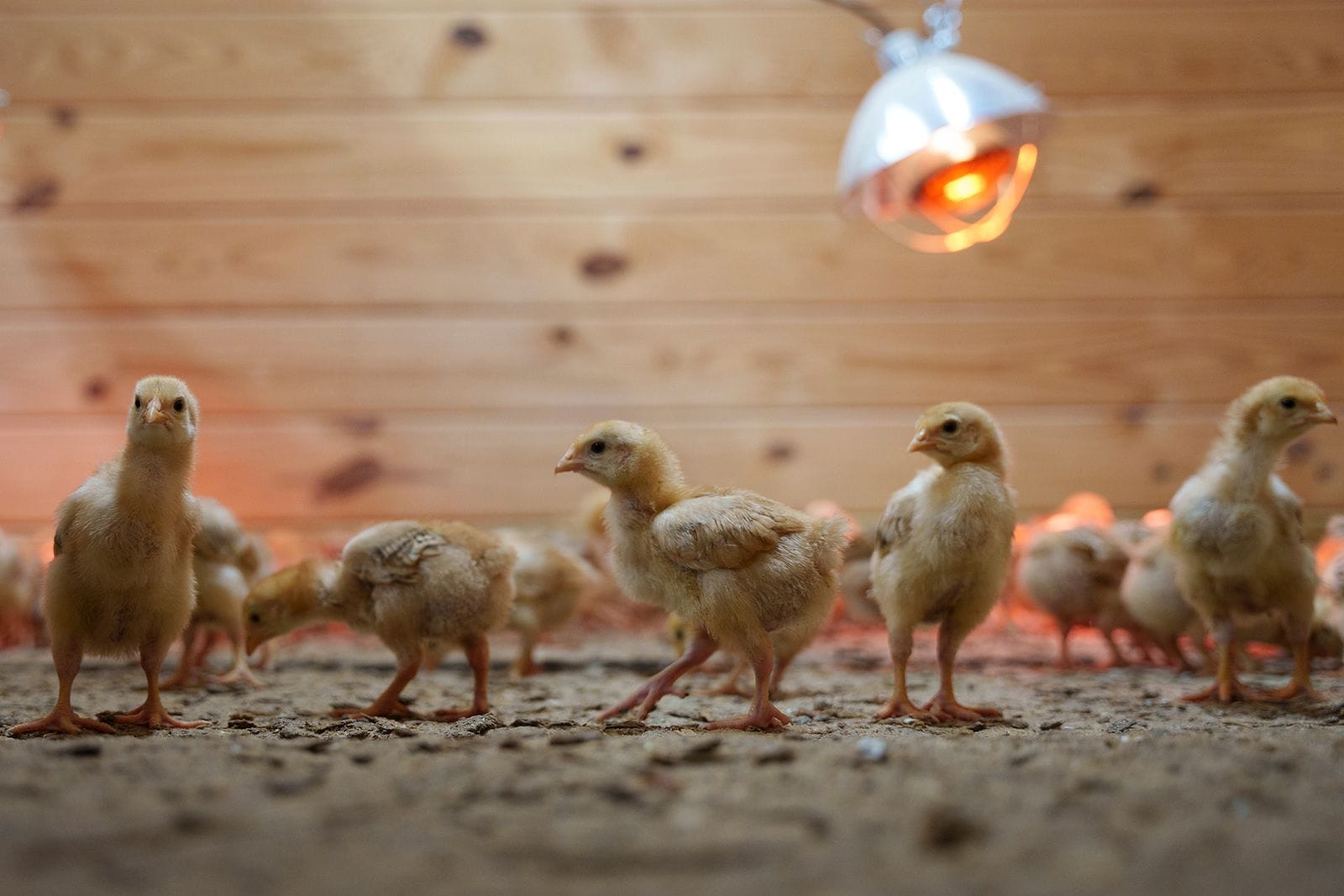
For over two weeks, the surviving birds have required intensive care from the dedicated staff at the shelter.
The shelter began offering the chicks for adoption on Tuesday, May 13th.
While some have found homes, only a few hundred out of thousands have been adopted so far.
The sheer volume makes it impossible for the shelter to get a precise count, but Parana estimates more than two thousand are still available.
Inquiries about purchasing the birds for meat have been turned away, consistent with the no-kill shelter’s mission.
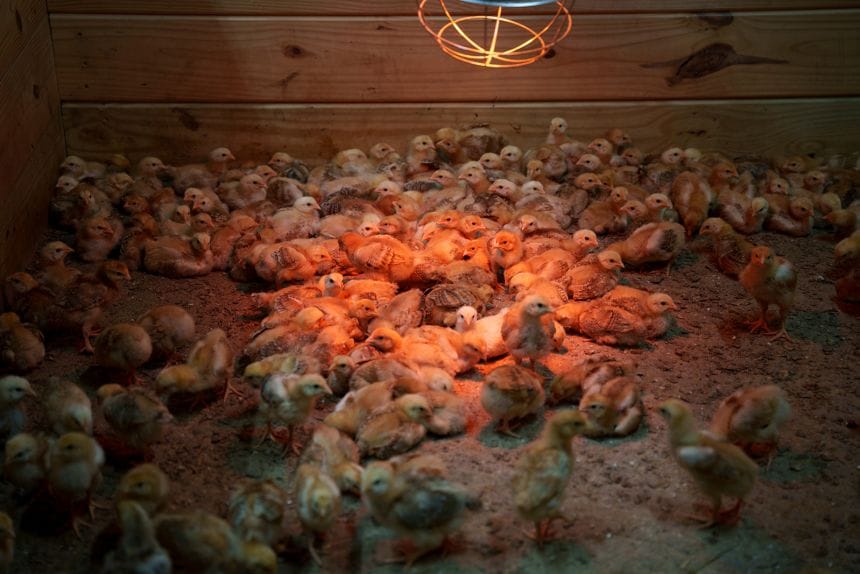
This unexpected influx of animals has turned the facility into a round-the-clock operation, requiring additional staffing.
Money is the most pressing concern for the nonprofit, which relies heavily on donations. Some employees have even used their own funds to help cover costs.
Among the birds are not just chicks, but also young turkeys, geese, and quail, though the vast majority are Freedom Ranger chickens.
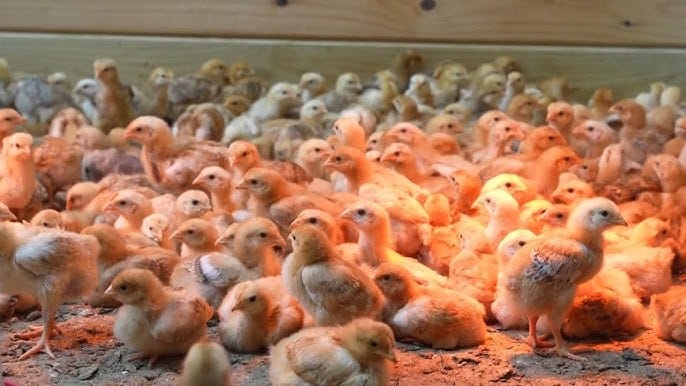
A significant challenge is the long-term care required, as Freedom Rangers take about ten weeks to reach maturity, demanding increasing space and food over time.
The Delaware Department of Agriculture, contacted by USPS, directed the animals to the First State Animal Center, with which it shares a memorandum of understanding as a state vendor.
The department is responsible for assisting the shelter with funds for animal care. The standard rate for chickens was $5 per day per bird.
However, the sheer number of chicks has created a significant funding gap, leading to a dispute between the shelter and the state department.
Jimmy Kroon, the department’s chief of planning, said negotiations were ongoing, acknowledging the original rate would be unreasonable given the current circumstances.
But Parana claims the department initially communicated they had no funds specifically allocated for this massive influx of chicks.
The department reportedly indicated they would attempt to recoup costs from the Postal Service.
They said that they’re gonna try to go after the post office to get recoupment,
Parana stated.
That doesn’t help us in the meantime.
So, while the investigation into the USPS failure continues, the shelter is left grappling with the immediate, overwhelming cost of caring for the thousands of tiny survivors, caught in a funding battle with the state government.