30 Deadliest Recipes In Every State
Craving a culinary thrill? Want to live life on the edge, fork in hand? Well, hold onto your aprons because we’re about to embark on a deliciously dangerous tour of the United States, one state at a time. But be warned, these aren’t your grandma’s recipes.
These are the recipes that could potentially send you straight to the hospital… or worse. So, proceed with caution, a healthy dose of skepticism, and maybe a good life insurance policy.
From the seemingly innocuous to the downright bizarre, we’ve scoured the culinary landscape to bring you 30 of the deadliest recipes lurking in kitchens across the nation. Remember folks, preparation is key (and possibly a hazmat suit). Enjoy (at your own risk)!
Deadly Pufferfish Recipe
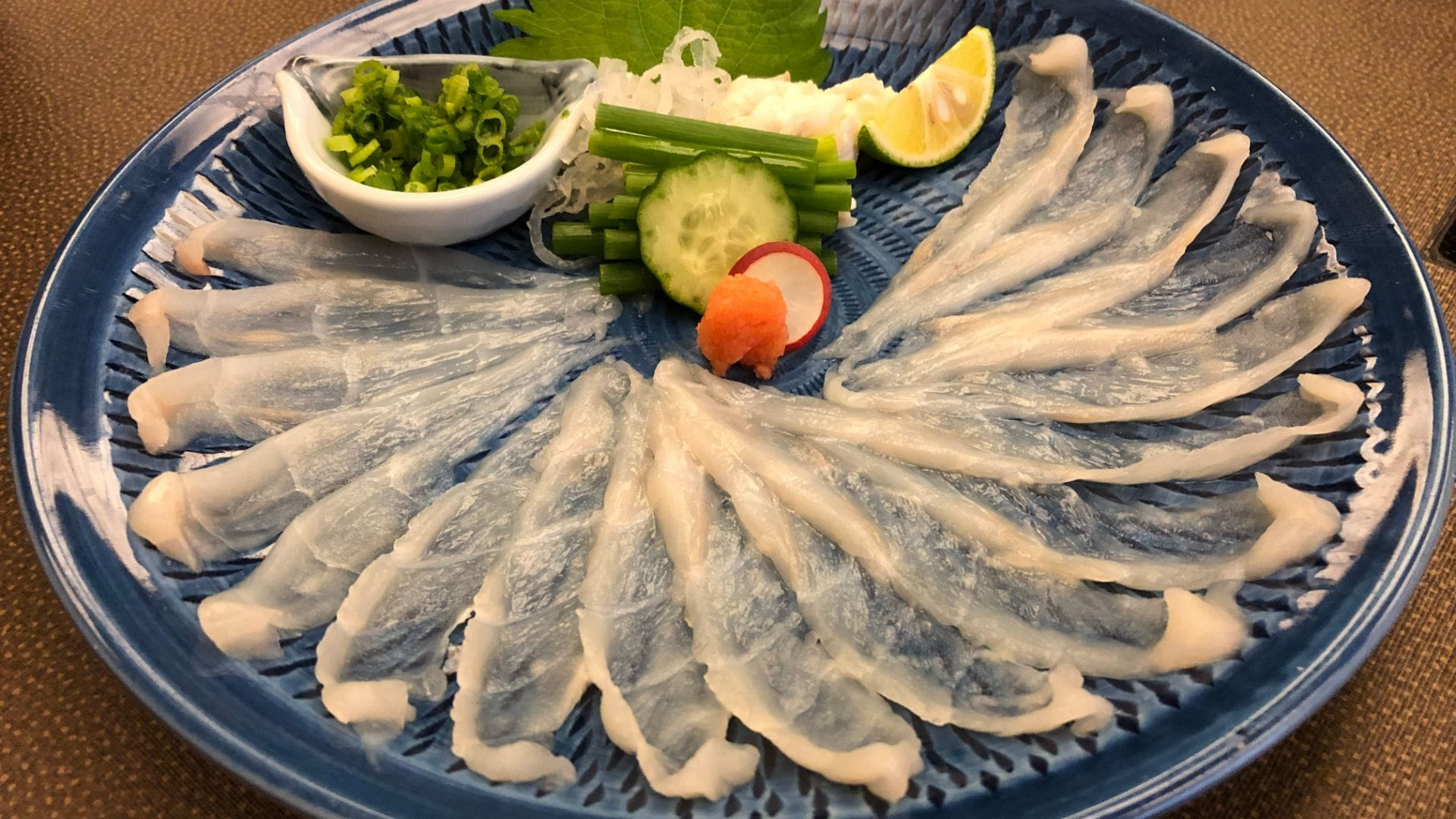
Fugu (pufferfish) – contains lethal tetrodotoxin if not prepared correctly. Only licensed chefs can prepare this deadly delicacy.
Toxic Ackee Recipe
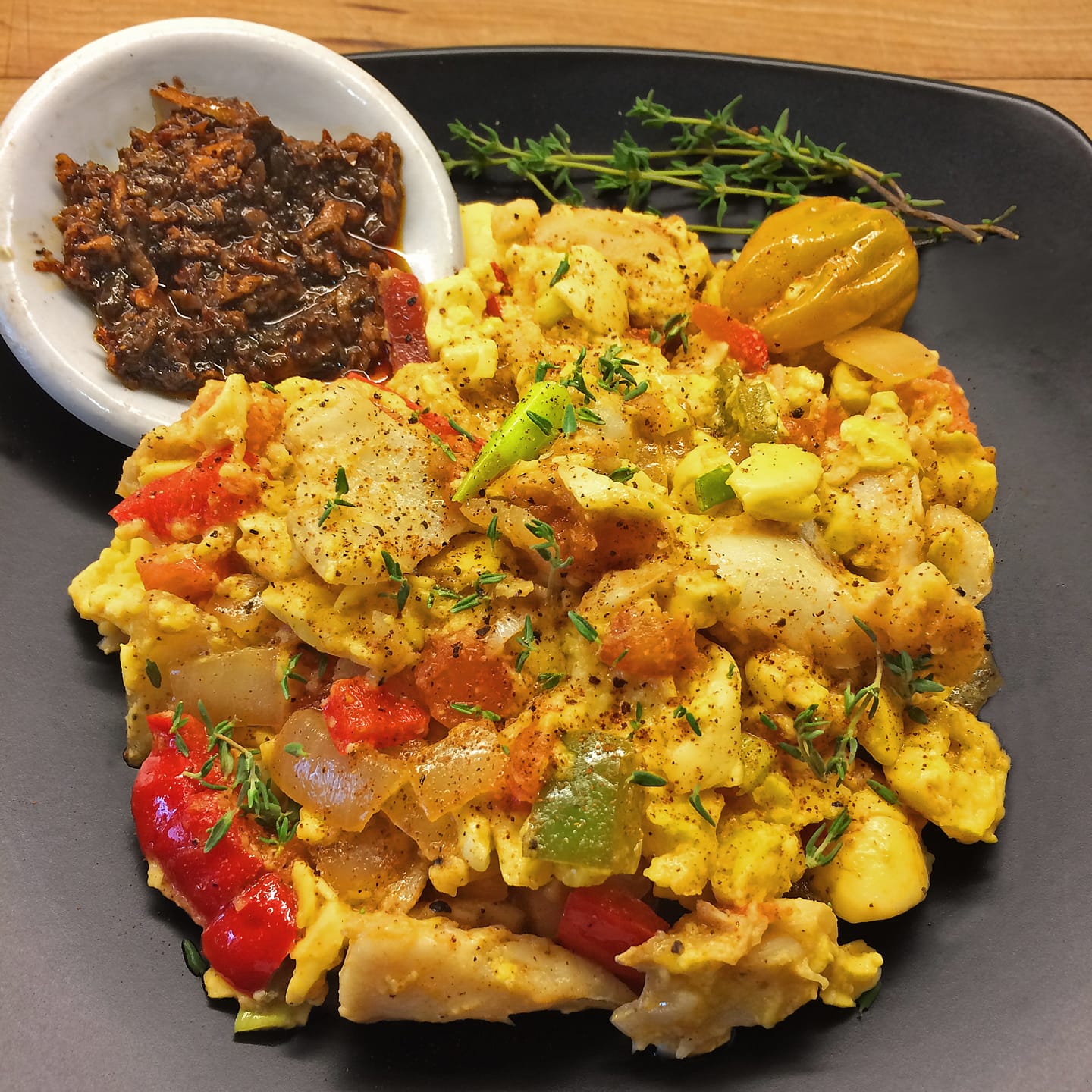
Unripe ackee fruit – toxic when unripe due to hypoglycin A. It is a key ingredient in Jamaican cuisine when RIPE.
Live Octopus Recipe
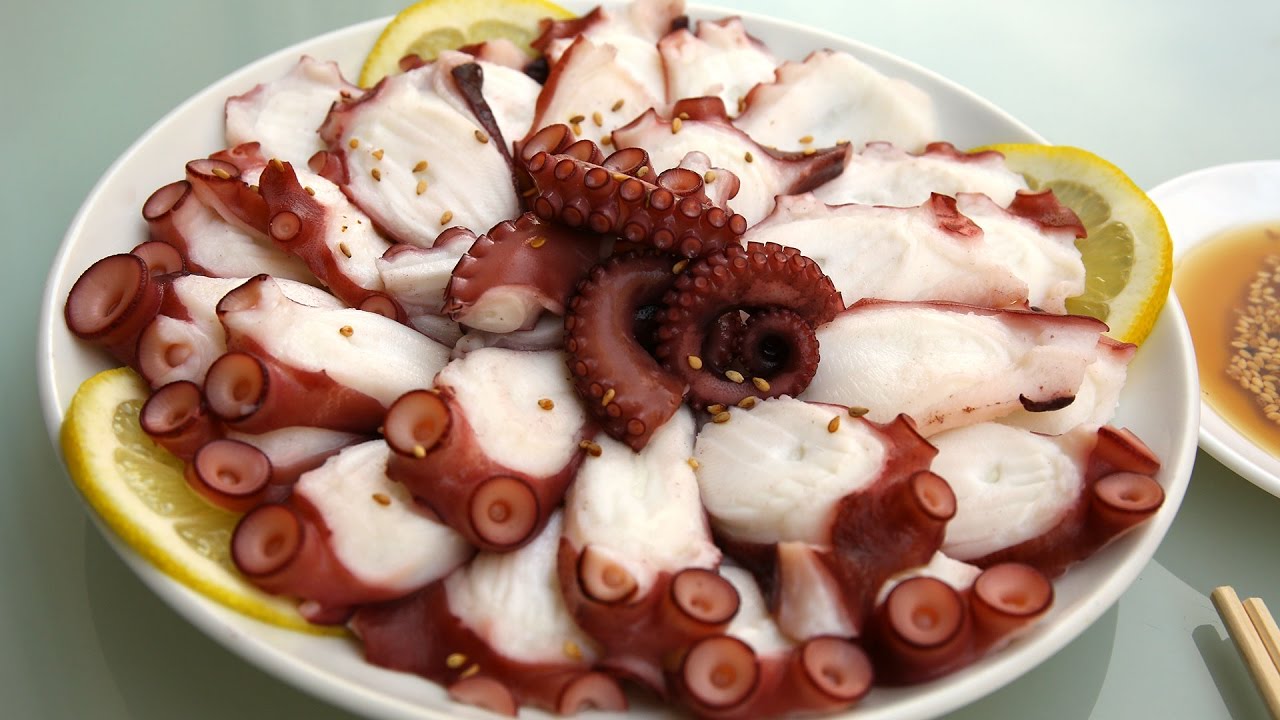
Sannakji – live octopus that can cause choking. The squirming tentacles can latch onto your throat.
Poisonous Mushroom Recipe

Wild mushrooms – some species are highly poisonous. Never forage without expert guidance.
Dangerous Cassava Recipe
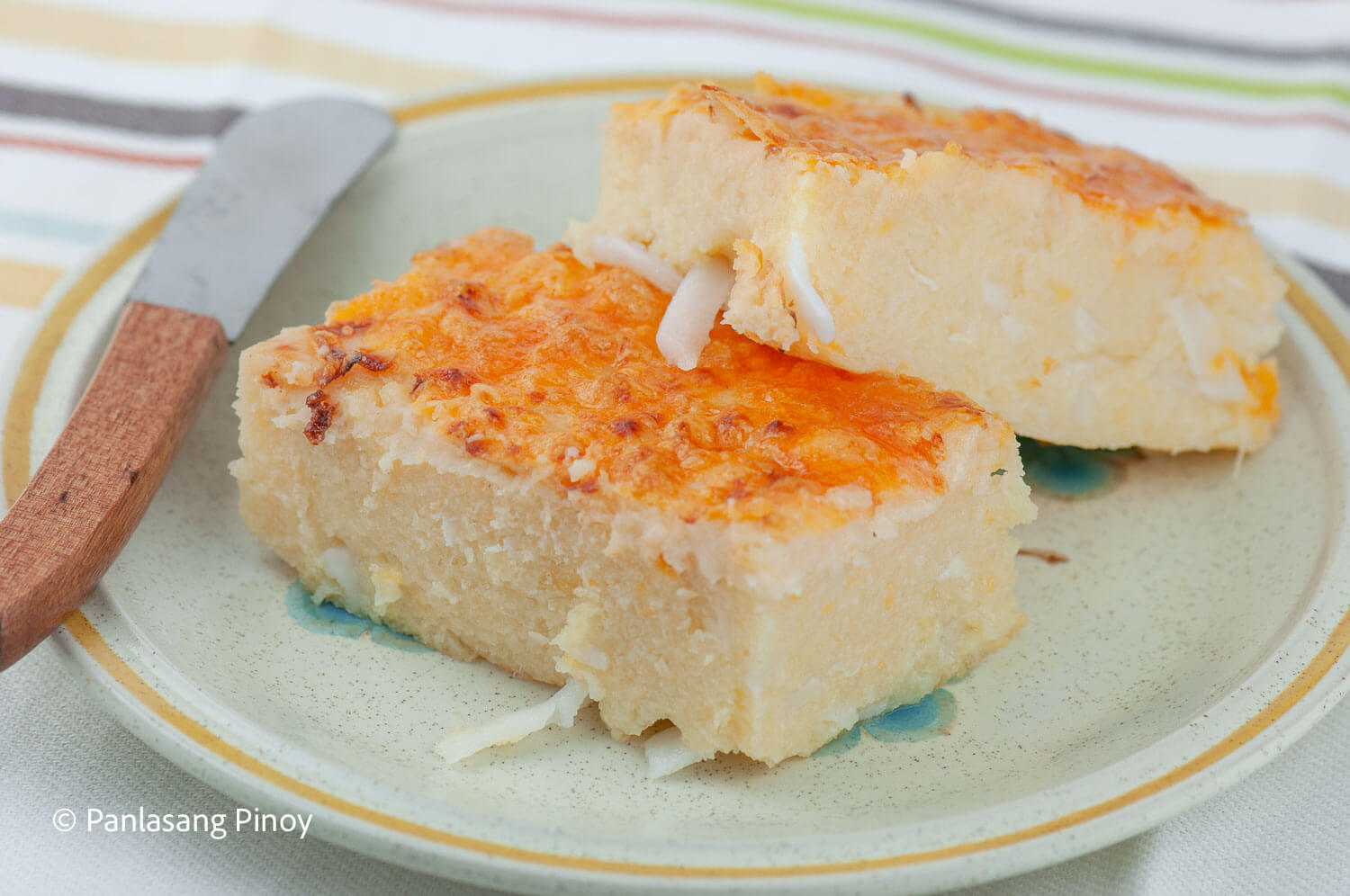
Raw cassava – contains cyanogenic glycosides requiring proper preparation. Soaking and cooking is essential.
Extreme Chili Recipe
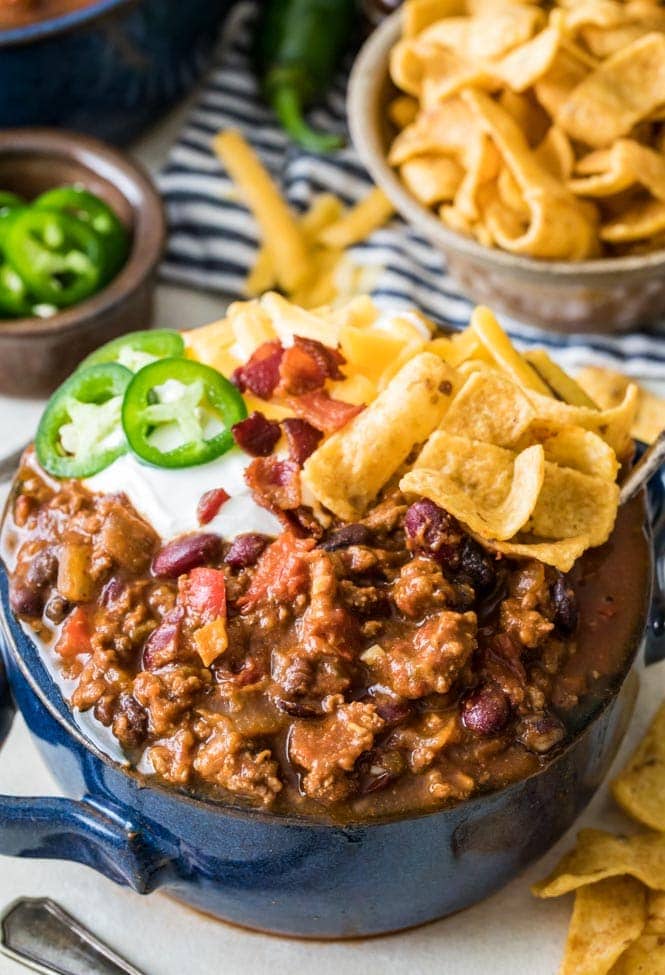
Dragon’s Breath chili pepper – extremely hot and potentially harmful. Use with extreme caution.
Fermented Shark Recipe
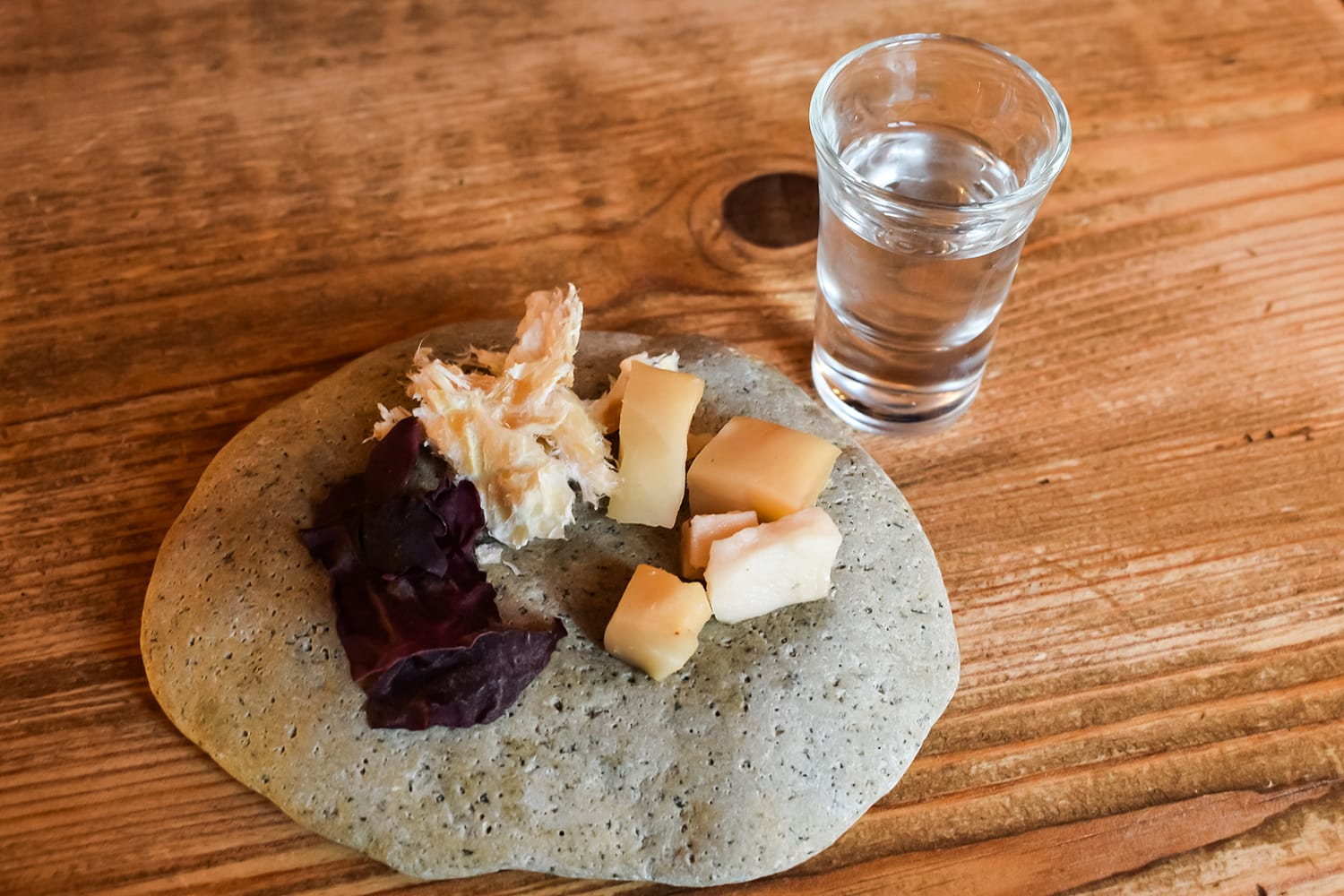
Hákarl – fermented shark with toxic ammonia levels. An acquired taste with a strong smell.
Raw Meat Recipe
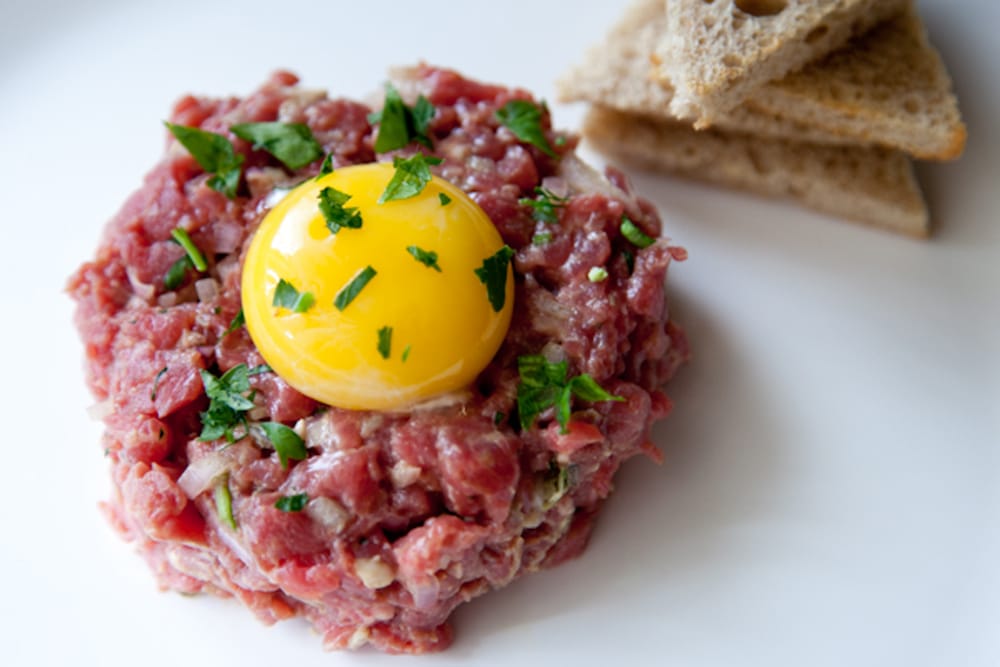
Larb – certain versions may contain raw meat posing health risks. Ensure meat is properly sourced and handled.
Unsafe Blood Clam Recipe
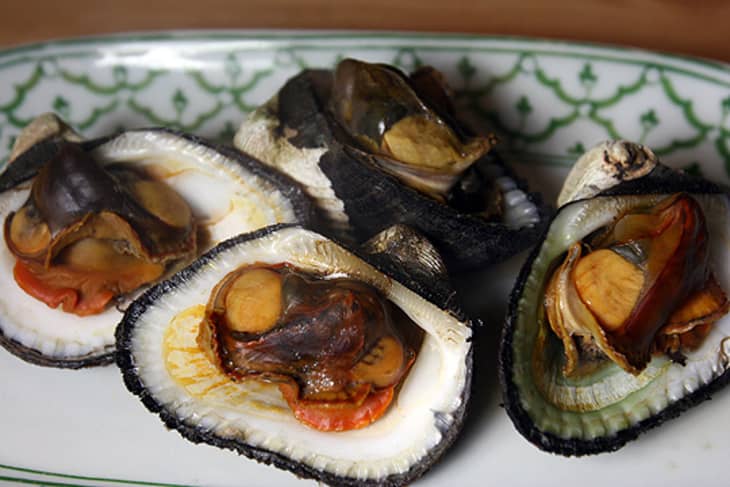
Blood clams – can harbor pathogens and toxins. Proper sourcing and cooking are critical.
Poisonous Seed Recipe
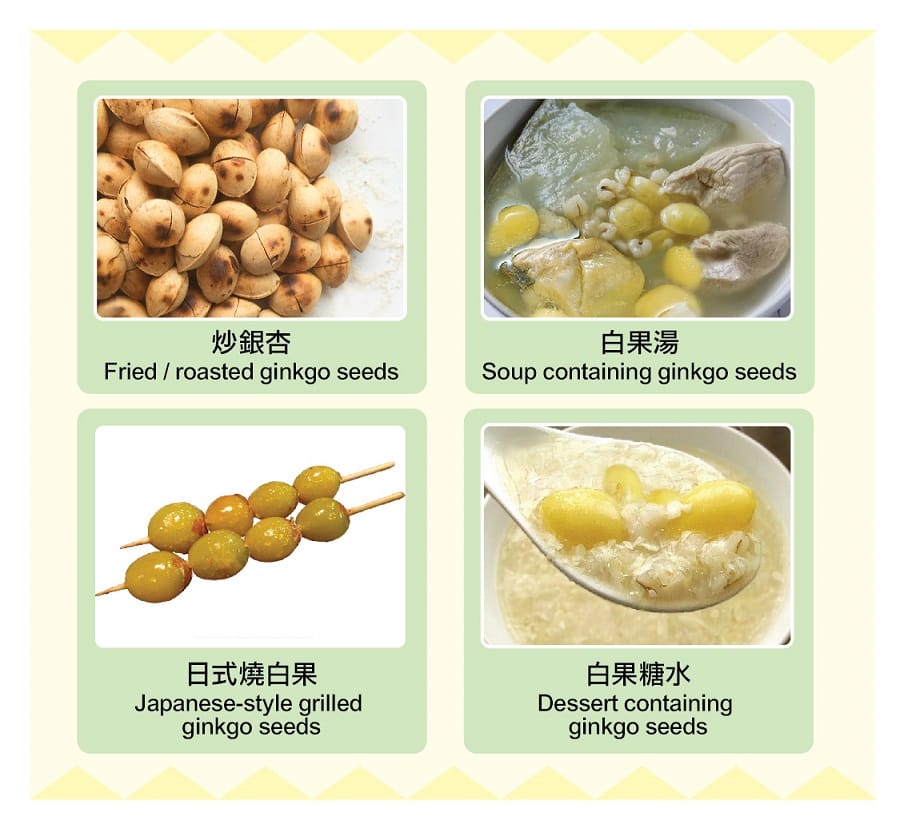
Pangium edule – a poisonous seed used in some Southeast Asian dishes. Requires specialized preparation.
Mishandled Fish Recipe
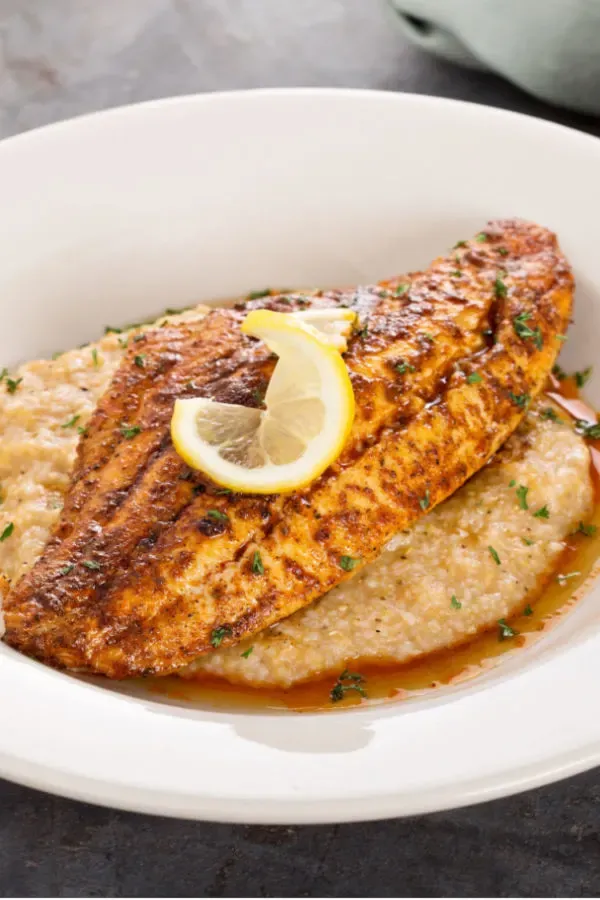
Fesikh – fermented fish that can cause food poisoning if mishandled. Proper curing techniques are essential.
Raw Cashew Recipe
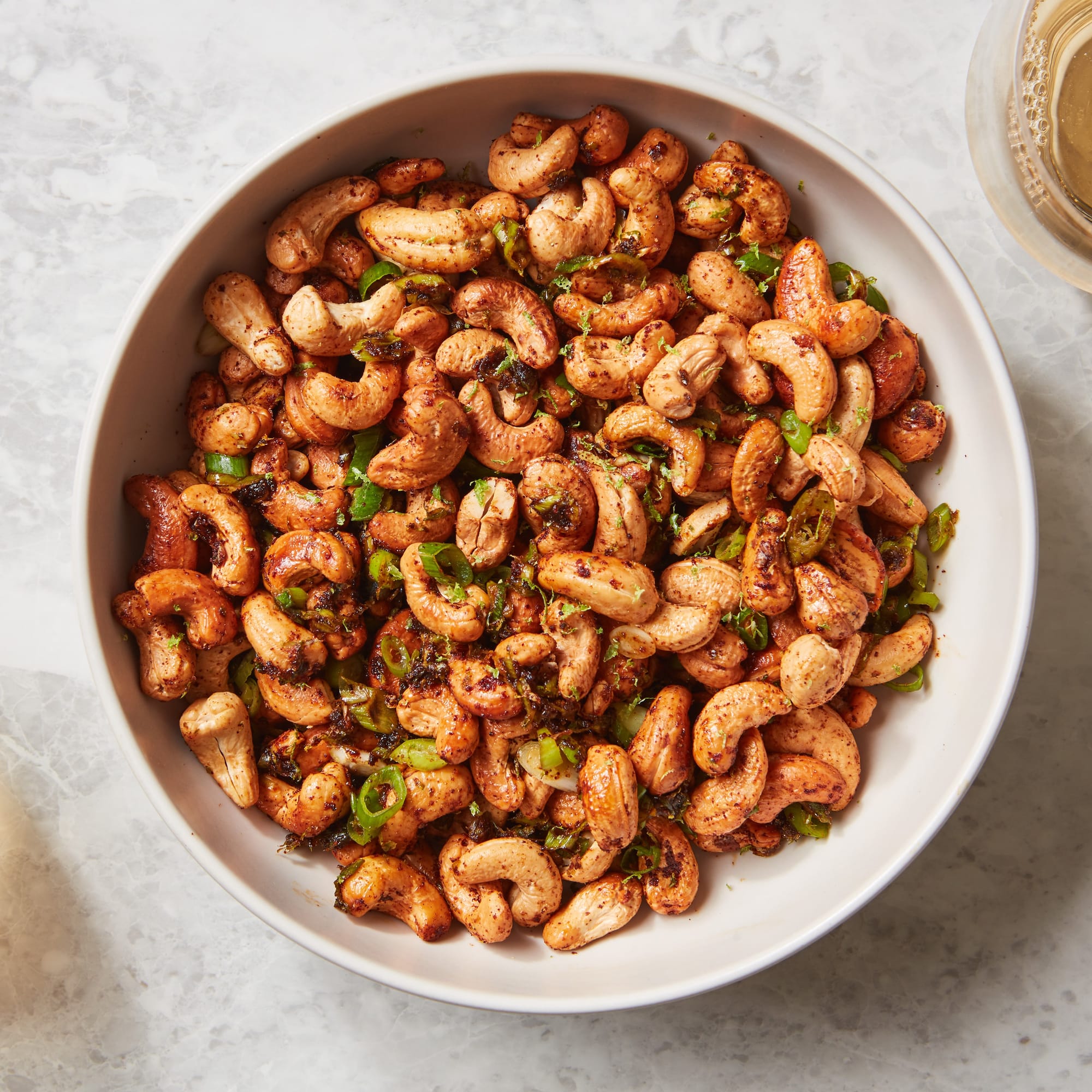
Raw cashews – contain urushiol, a toxin also found in poison ivy. Commercially sold cashews are processed.
Toxic Elderberry Recipe
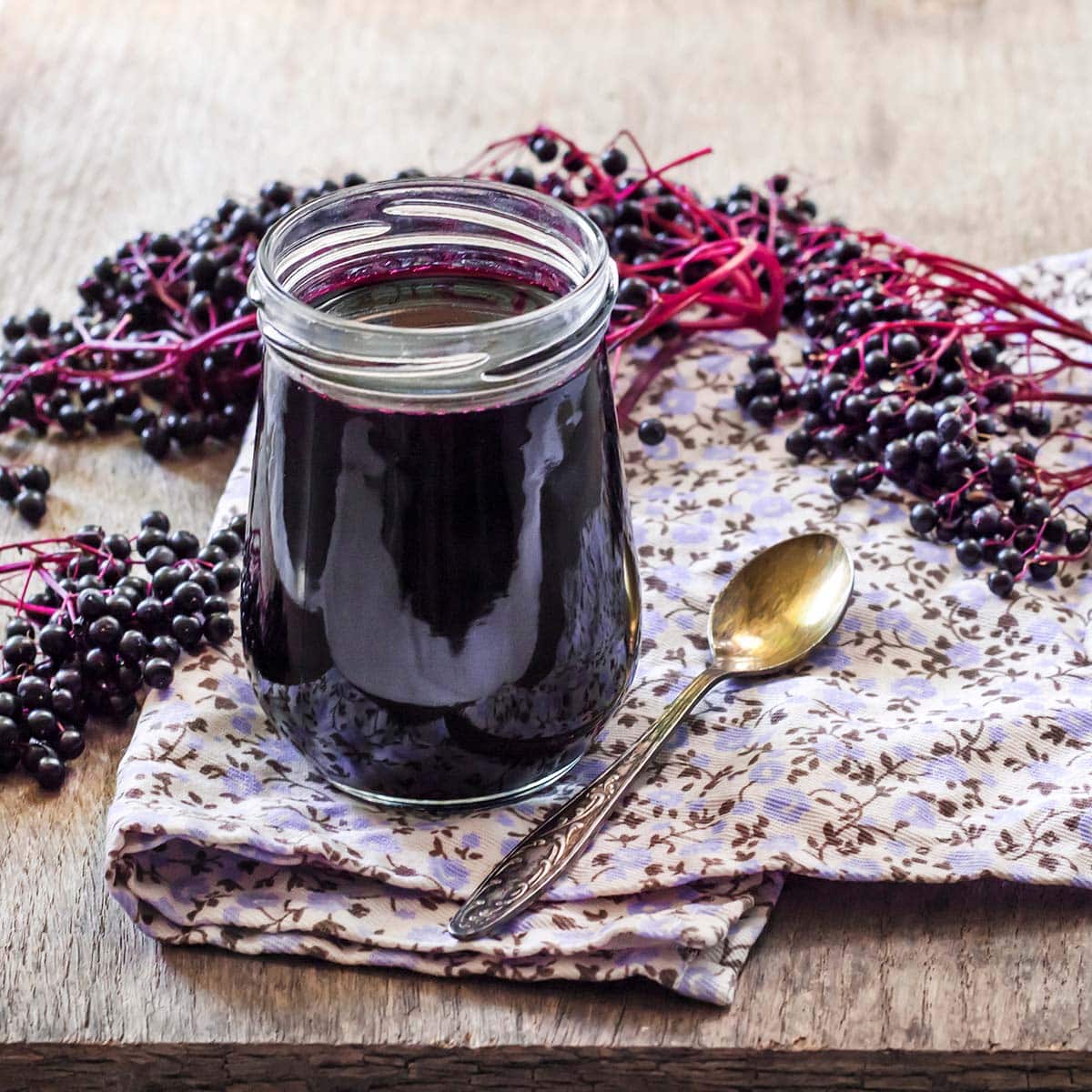
Elderberries – raw berries and seeds can be toxic. Cooking neutralizes the toxins.
Oxalic Acid Recipe
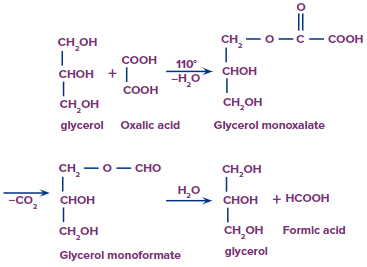
Rhubarb leaves – contain oxalic acid and anthraquinone glycosides. Only the stalks are safe to eat.
Toxic Butter Bean Recipe
Butter beans – raw or improperly cooked can be toxic. Boiling is necessary to remove toxins.
Cyanide Almond Recipe
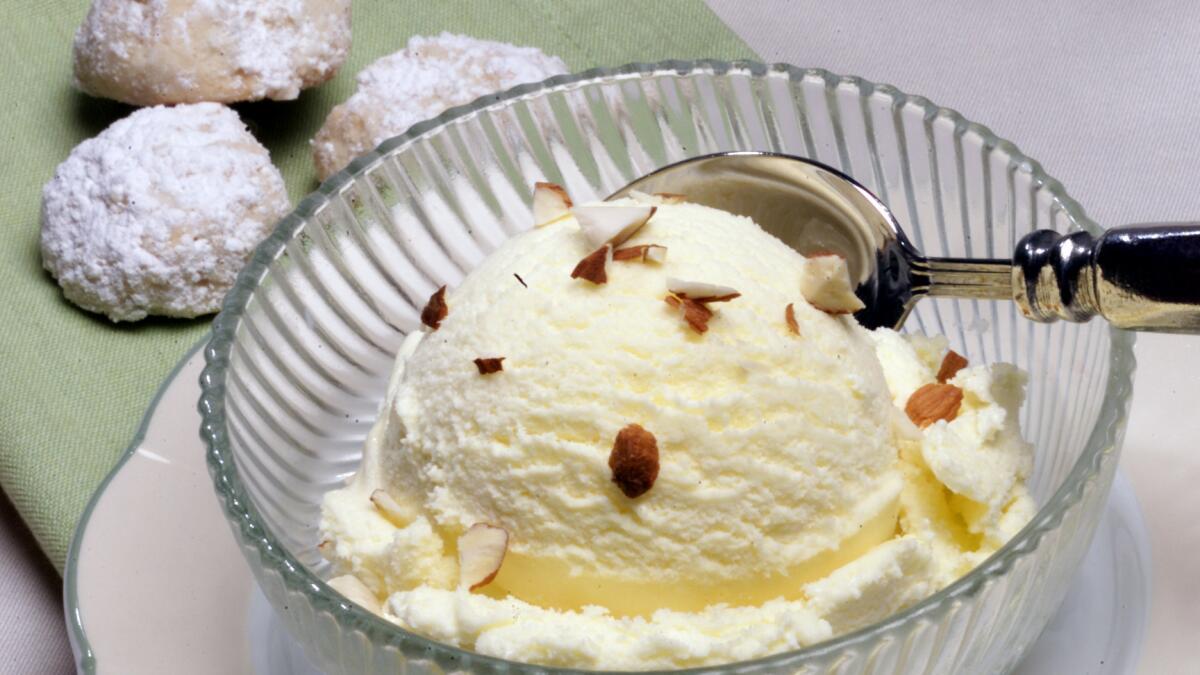
Bitter almonds – contain cyanide compounds. Requires specific processing to be safe.
Amygdalin Recipe
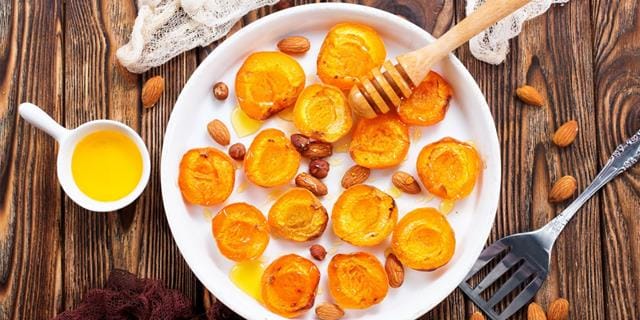
Cherry stones – contain amygdalin that releases cyanide. Avoid crushing or consuming cherry stones.
Allergic Jellyfish Recipe
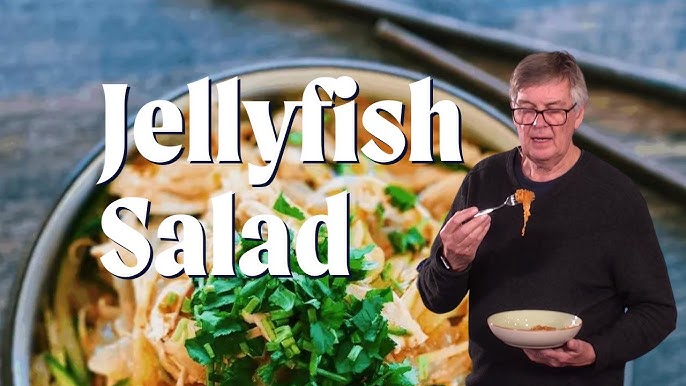
Jellyfish – some species can be toxic or cause allergic reactions. Proper preparation and identification are crucial.
Phytohaemagglutinin Recipe
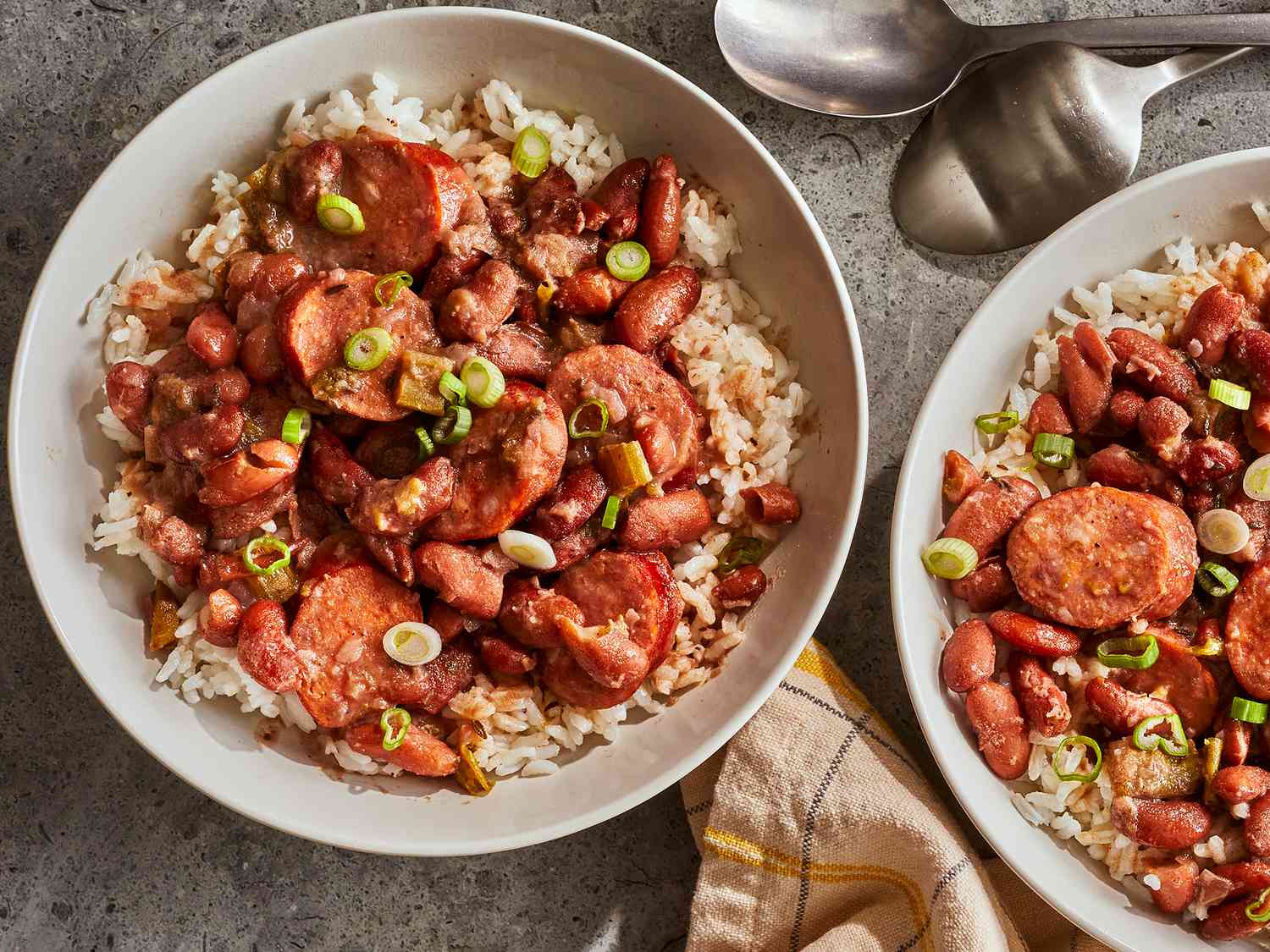
Red kidney beans – raw or undercooked beans contain phytohaemagglutinin. Boiling is necessary to destroy the toxin.
Choking Hotdog Recipe
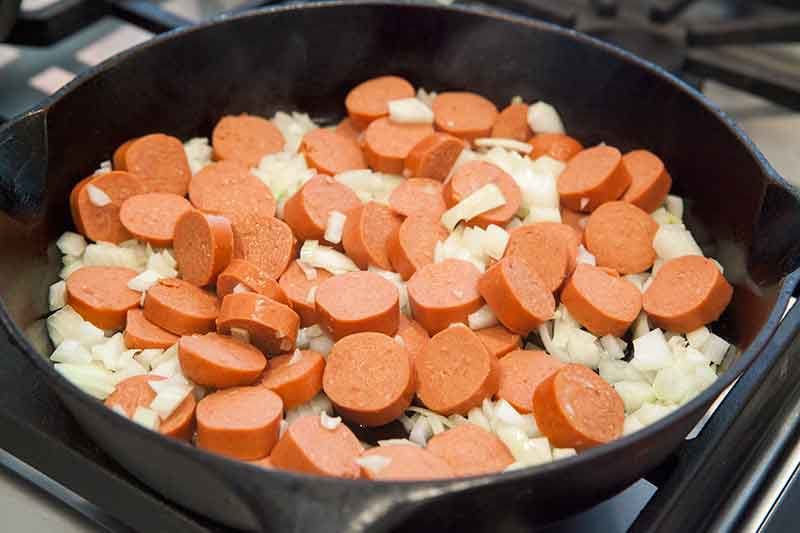
Hot dogs – can pose choking hazards, especially for children. Cut into small pieces for safety.
Mercury Tuna Recipe
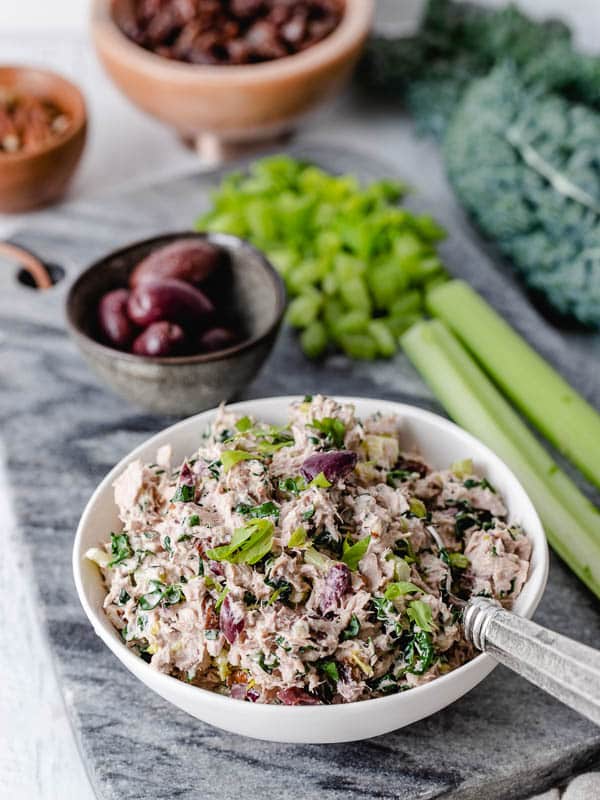
Tuna – risk of mercury poisoning if consumed excessively. Limit intake, especially for pregnant women and children.
Kidney Problem Recipe

Star fruit – can be toxic to people with kidney problems. Avoid consuming if you have kidney issues.
Irritating Mango Recipe
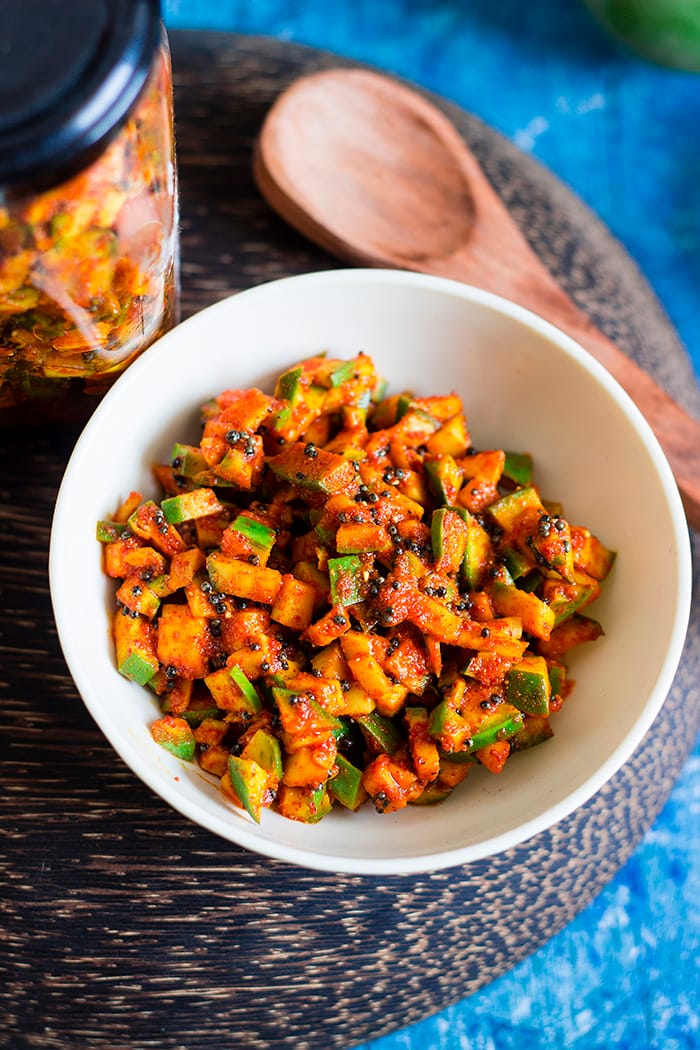
Mango skin – may cause allergic reactions or irritation. Wash thoroughly or peel before eating.
Grapefruit Drug Recipe

Grapefruit – interacts dangerously with certain medications. Check for interactions with your prescriptions.
Hallucinogenic Nutmeg Recipe
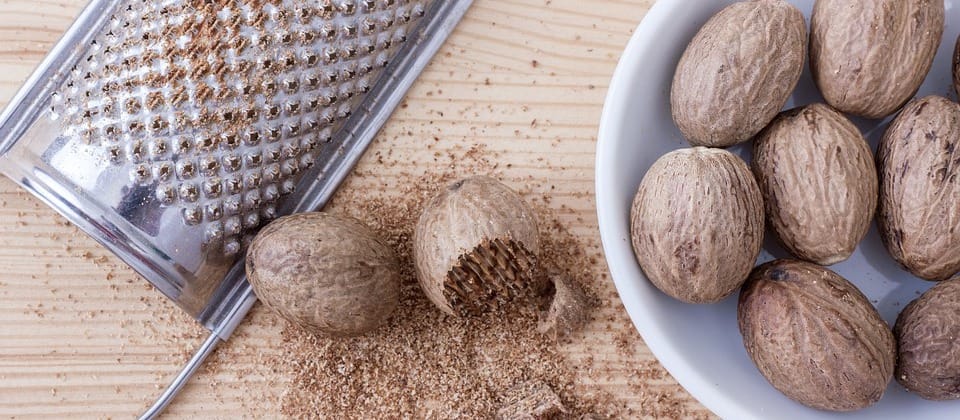
Nutmeg – toxic in large quantities causing hallucinations or poisoning. Use sparingly in recipes.
Toxic Alkaloid Recipe
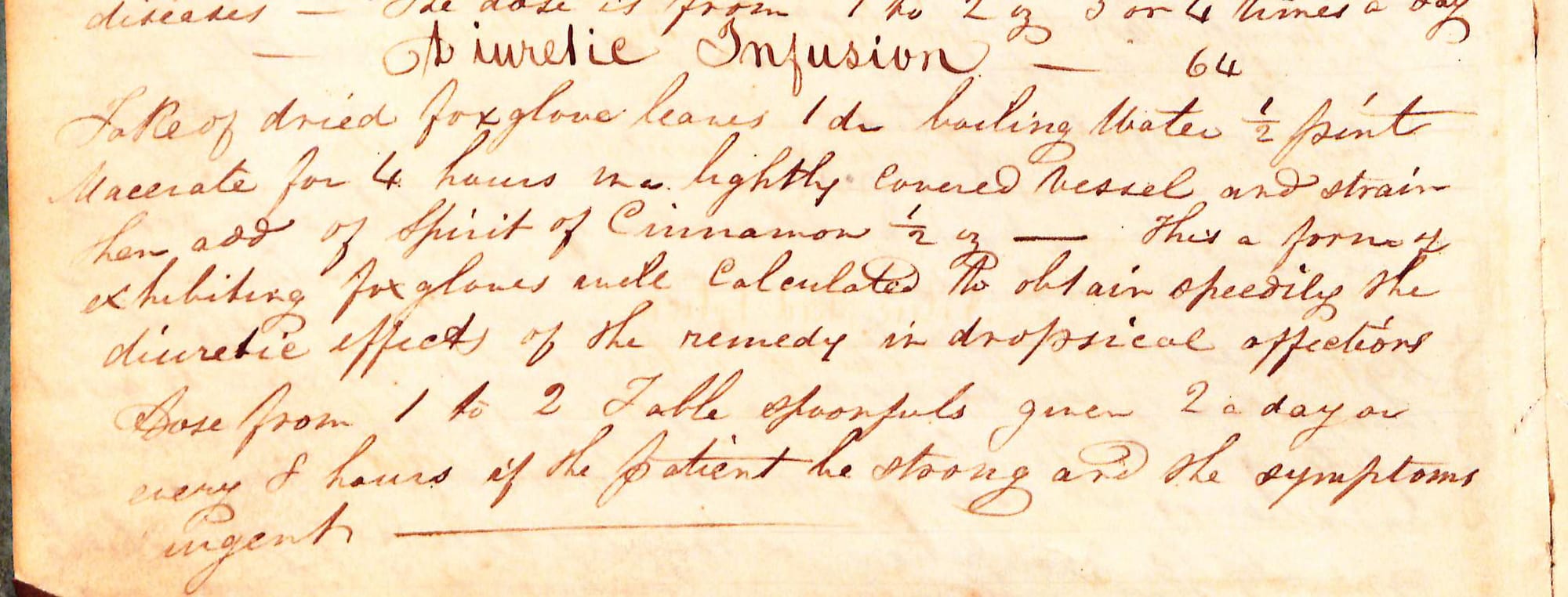
Green potatoes – contain solanine, a toxic alkaloid. Avoid eating green or sprouted potatoes.