3 Grocery Store Fruits Loaded With Pesticides (Always Buy These Organic)
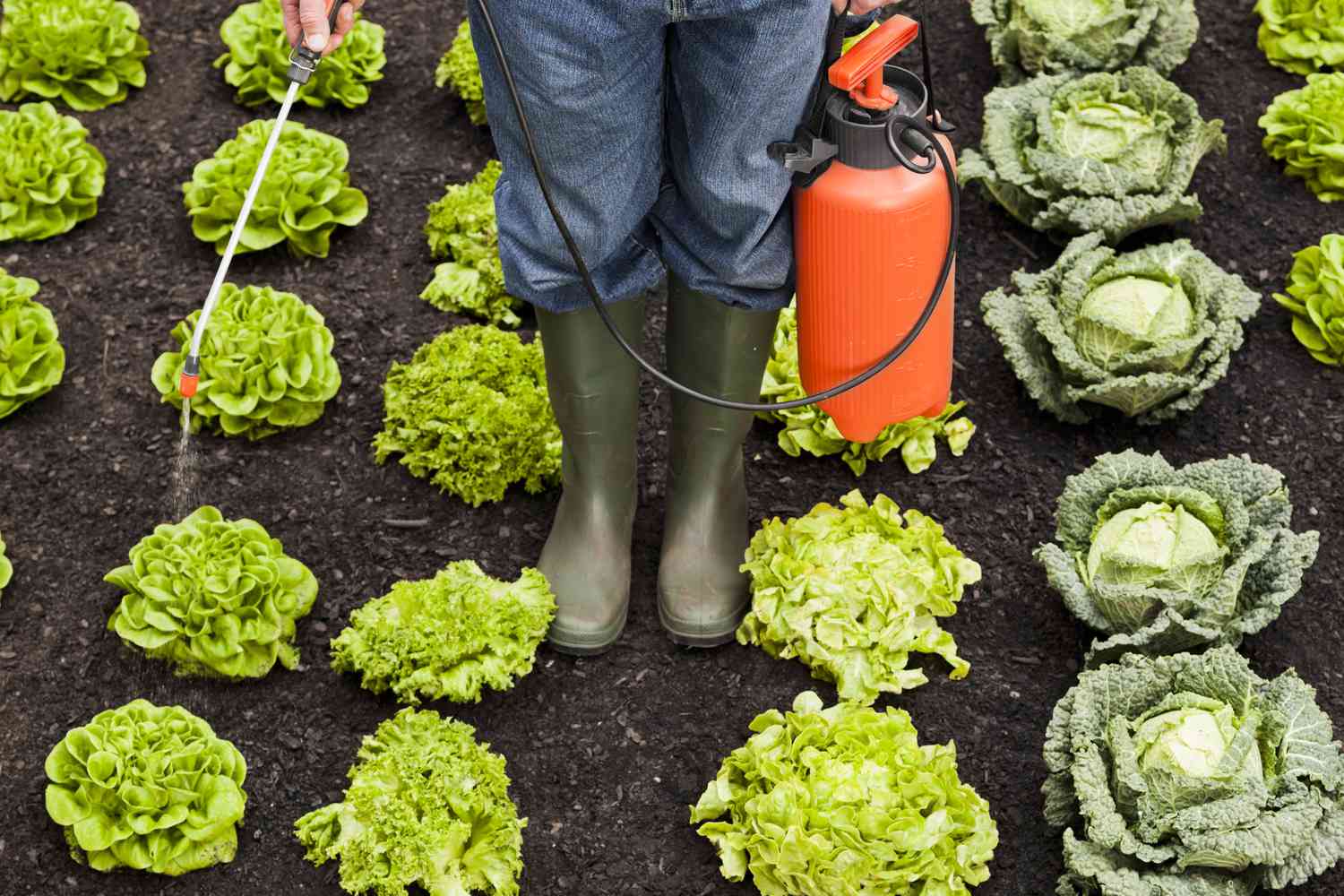
There’s nothing like biting into a juicy piece of fruit for a quick, healthy snack — but what if your favorite grocery store picks come with an unwanted side of pesticides?
While fruits are packed with vitamins and antioxidants, some varieties are notorious for harboring high levels of chemical residues.
To protect your health (and your taste buds), here are three fruits you should always buy organic, according to the Environmental Working Group’s (EWG) 2023 Dirty Dozen report.
1. Strawberries
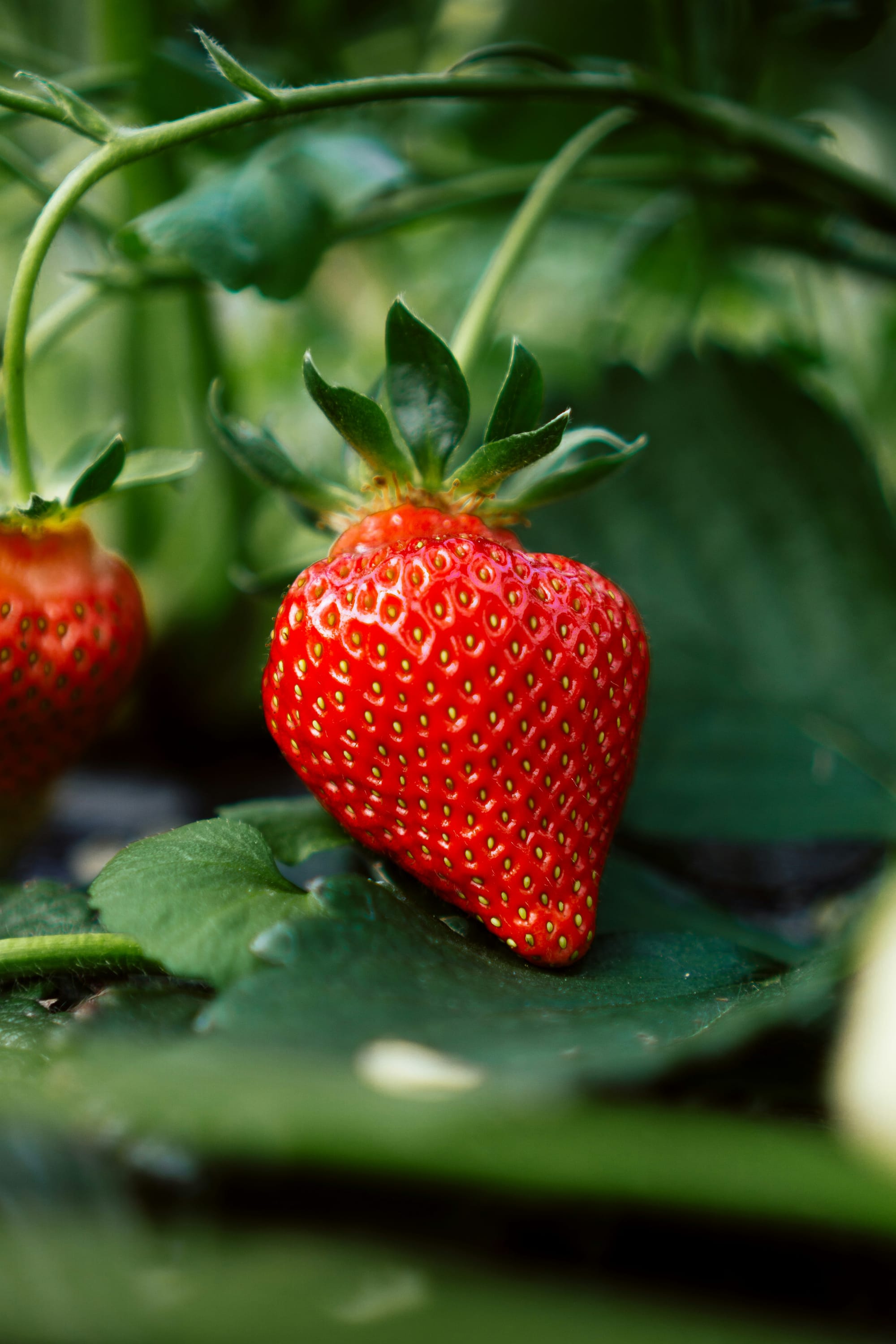
Strawberries top the EWG’s Dirty Dozen list year after year, and for good reason. Their thin, porous skin and growth in pest-prone soil make them a magnet for chemical treatments.
Recent testing revealed that over 90% of conventional strawberries contained residues of at least two pesticides, with some samples showing traces of 20+ chemicals. Common culprits include fungicides like captan and insecticides like malathion, which are linked to endocrine disruption and developmental issues in children.
Why organic? Organic strawberries are grown without synthetic pesticides, relying on natural pest control methods instead. While they may be pricier, their reduced chemical load is worth the investment, especially for kids and pregnant women.
2. Peaches
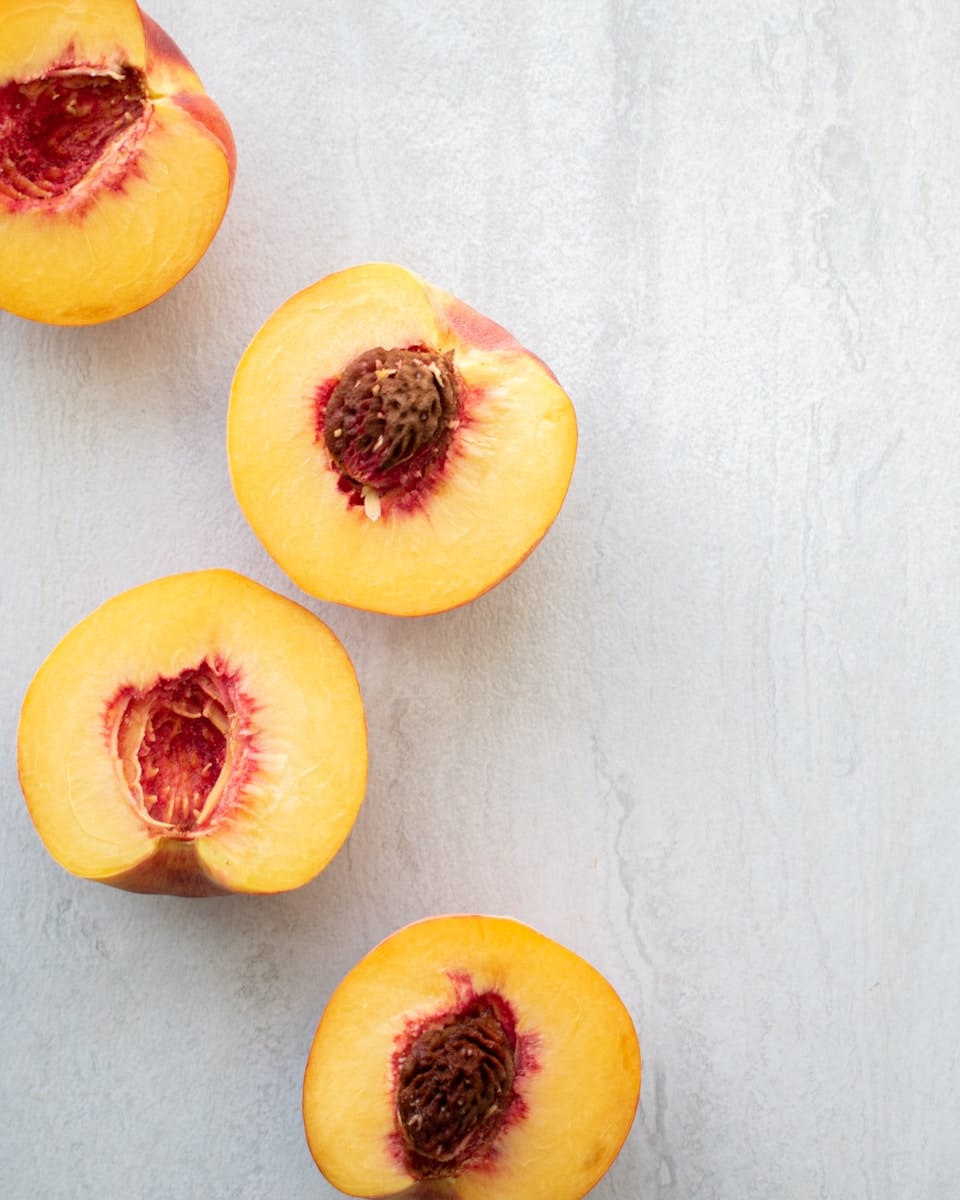
Peaches’ velvety skin might seem tough, but it’s no match for pesticides. Ranking #4 on the Dirty Dozen, these stone fruits are often doused in fungicides and insecticides to prevent blemishes and pests.
Tests detected an average of 4 pesticide residues per peach, including neurotoxic organophosphates. The soft flesh also absorbs chemicals easily, meaning peeling won’t fully eliminate exposure.
Why organic? Organic peaches are grown with minimal natural pesticides, and their unblemished appearance isn’t prioritized over safety. Look for them in season (summer to early fall) for the best flavor and affordability.
3. Apples
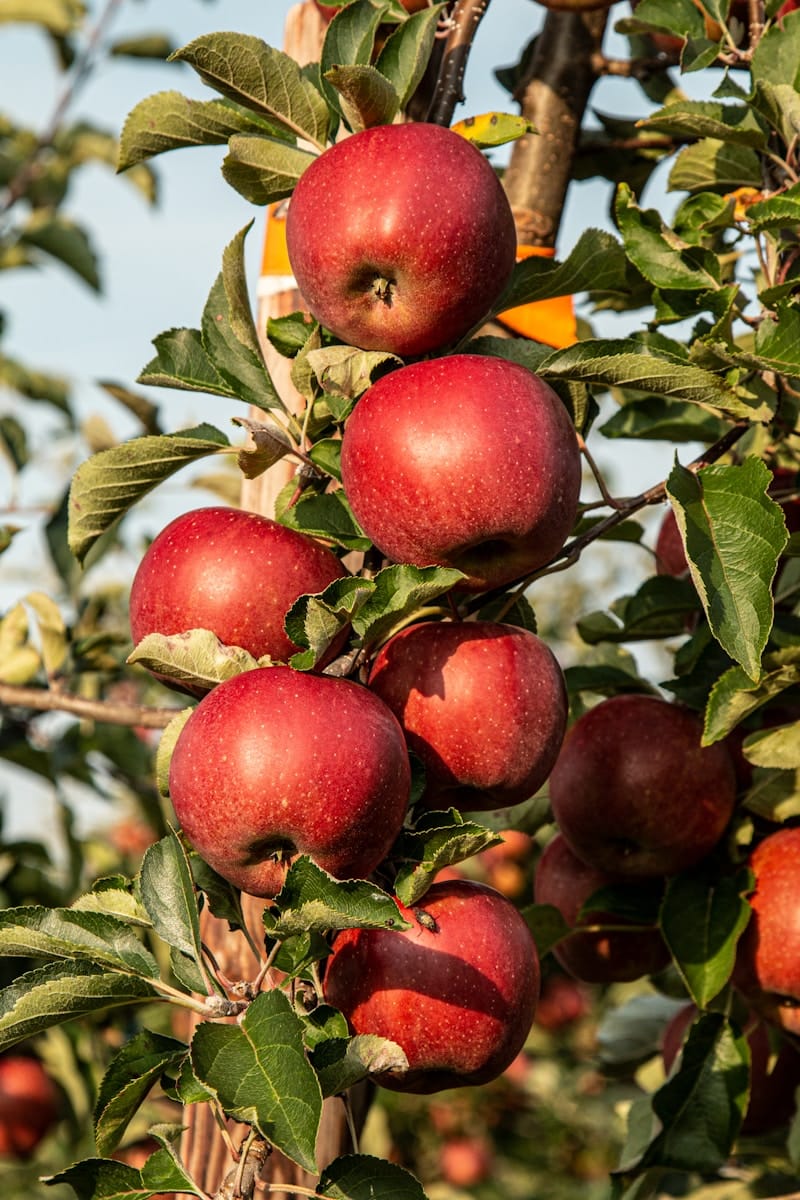
The adage “an apple a day” only holds true if you skip the conventional kind. Apples rank #6 on the Dirty Dozen, with diphenylamine — a chemical banned in Europe due to cancer concerns — frequently detected on their skins.
The shiny wax applied to non-organic apples seals in pesticides, making rinsing ineffective. Even pre-washed or bagged apples often retain residues.
Why organic? Organic apples are free of synthetic waxes and harsh pesticides. If organic isn’t available, scrubbing with a baking soda solution can reduce (but not eliminate) residues.
Better Safe Than Sorry: Opt for Organic
While washing and peeling can reduce pesticide exposure, these steps don’t remove all residues embedded in the fruit’s flesh or skin.
When shopping for strawberries, peaches, and apples, prioritize organic versions to avoid ingesting harmful chemicals. For budget-friendly options, check frozen organic sections or farmers’ markets during peak seasons.
If you’re torn at the store, reference the EWG’s Clean Fifteen list for conventionally grown produce with low pesticide levels (e.g., avocados, pineapple, and mangoes). But for these three fruits? Always go organic. Your body — and the planet — will thank you.