15 Expensive Ingredients That Chefs Say Are a Complete Waste of Money
Let’s be honest, we’ve all seen those grocery store items with price tags that make our eyes water.
But are these expensive ingredients truly worth the splurge? We asked top chefs across the globe, and the answer, surprisingly often, is a resounding “no!”
Prepare to be shocked (and maybe a little relieved) as we unveil 15 luxury ingredients that chefs consider a complete waste of your hard-earned cash.
From pricey produce to extravagant proteins, we’re diving into the world of culinary extravagance – and debunking some seriously inflated myths. Get ready to adjust your shopping list!
Saffron

While saffron is renowned for its unique flavor and color, its exorbitant price (up to £5,000 per kilogram) often doesn’t justify its use in many recipes where other spices could suffice.
White Truffles
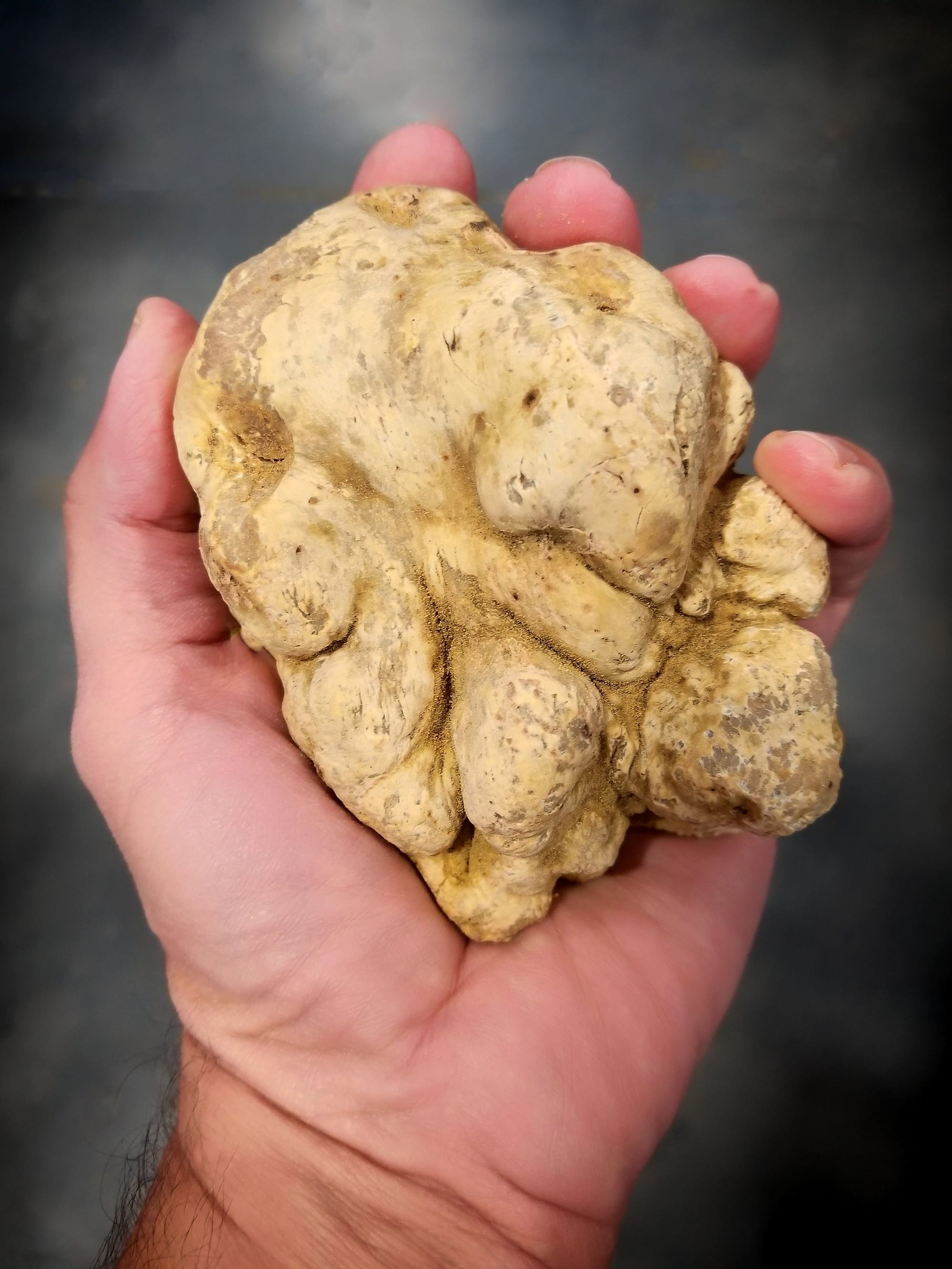
These fungi can fetch prices over £100,000 per kilo. Many chefs argue that their intense flavor can be overpowering or lost in complex dishes, making them an impractical choice for everyday cooking.
Vanilla Beans
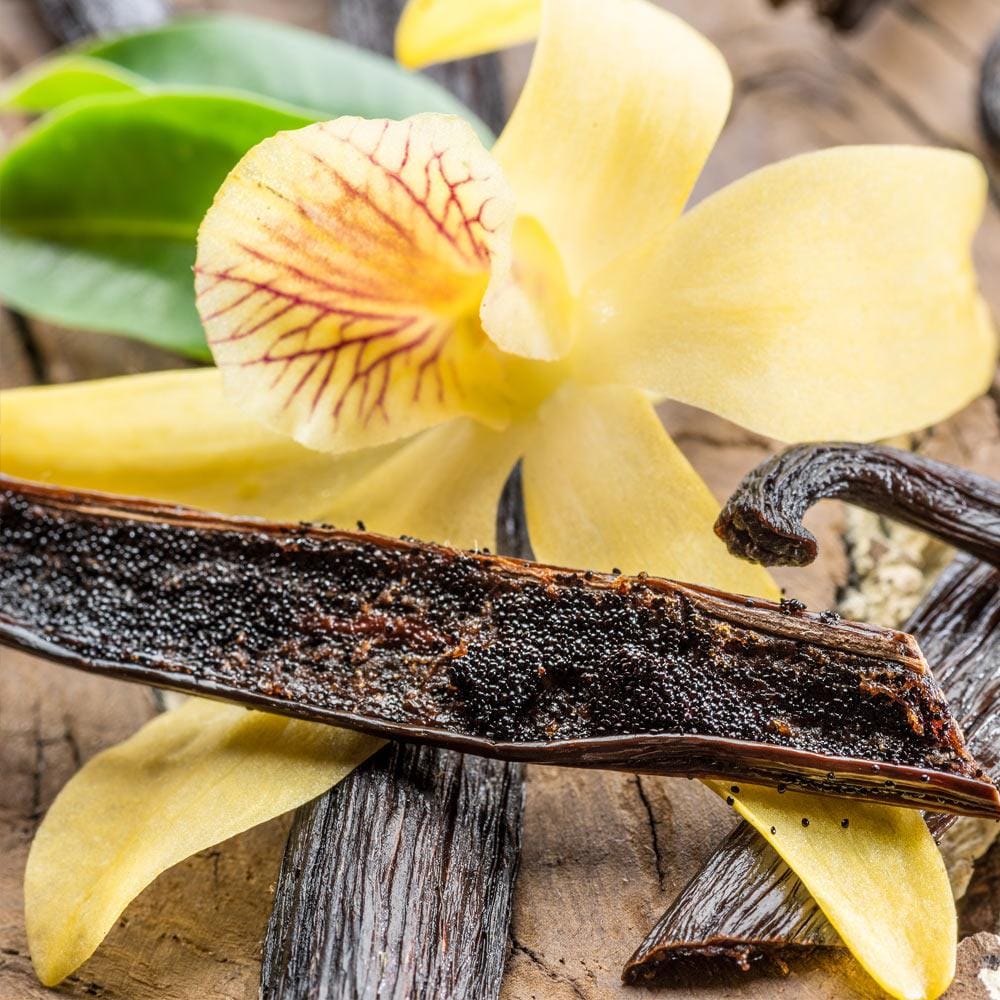
Currently priced at around £450 per kilo, many chefs find that high-quality extracts can provide similar flavor profiles without the hefty price tag.
Wagyu Beef
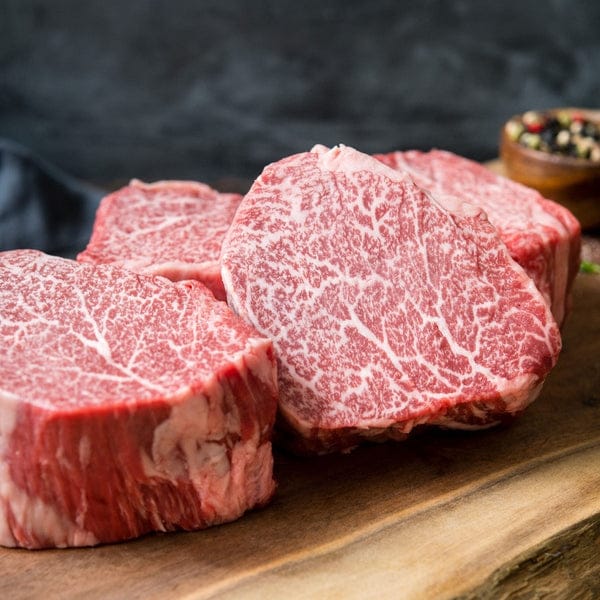
Known for its marbling and tenderness, Wagyu is often considered overhyped and too expensive when other cuts can deliver excellent flavor at a fraction of the cost.
Yubari King Melons
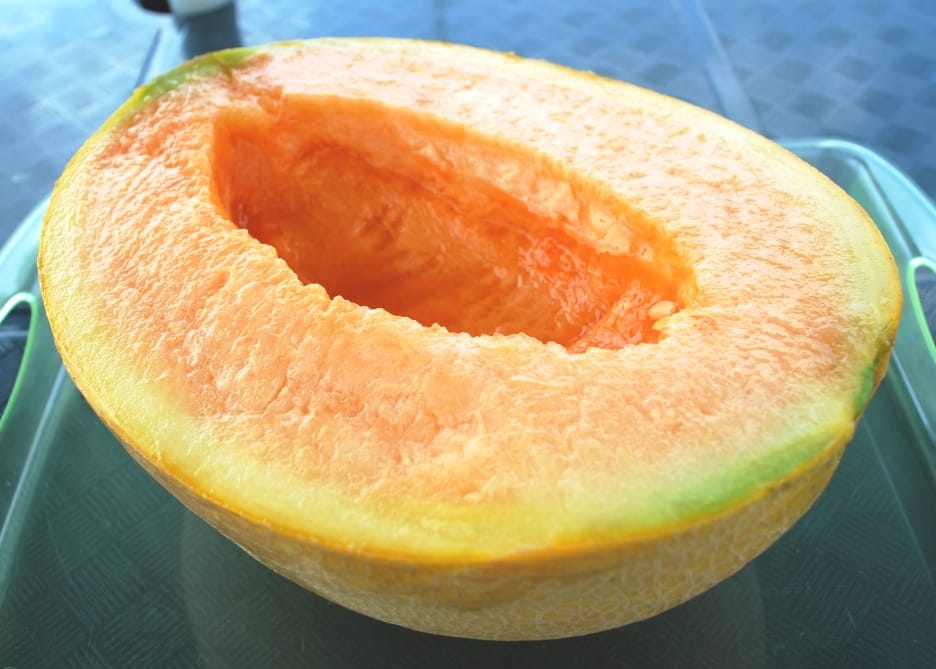
These melons can sell for thousands of dollars each due to their rarity and unique taste, but many find that less expensive fruits can be just as enjoyable.
Aceto Balsamico Tradizionale
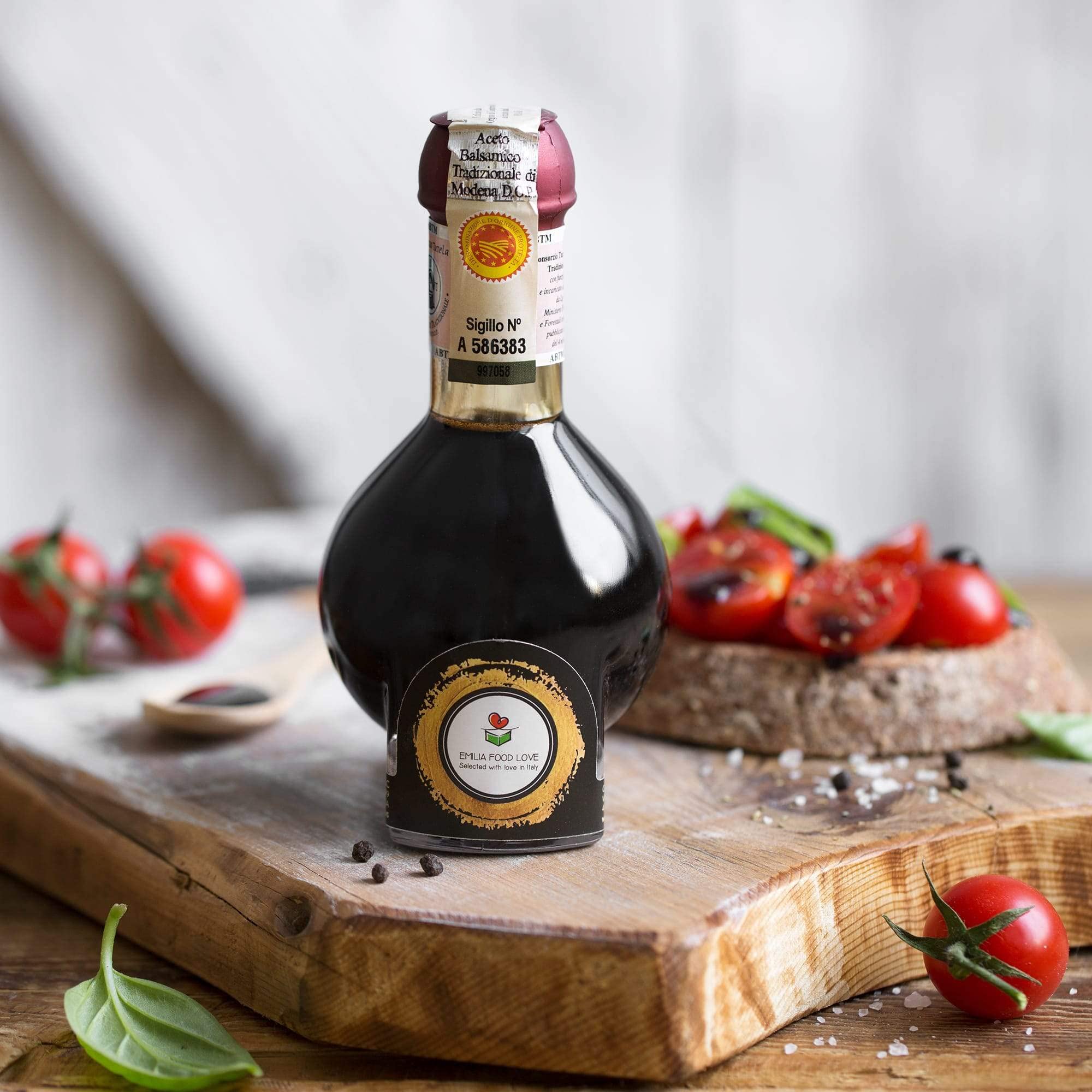
Authentic balsamic vinegar is labor-intensive and costly, yet many chefs believe that cheaper varieties can achieve similar results in cooking.
Kopi Luwak Coffee
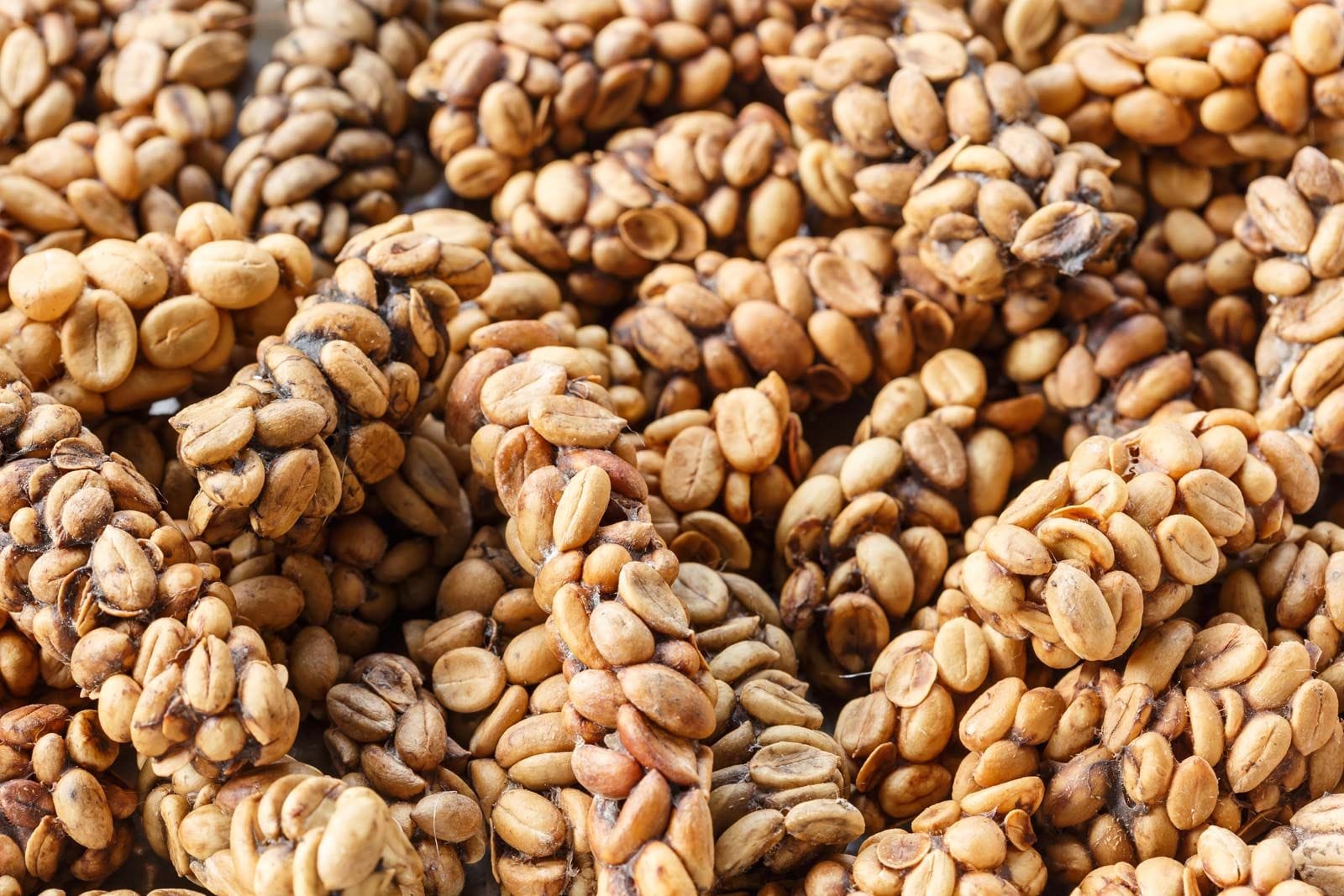
This coffee is made from beans digested by civets and can cost hundreds per pound. Ethical concerns and varying quality make it a questionable investment for many.
Ayam Cemani Chicken

Priced at around £1,700 each due to its unique appearance and rarity, this chicken’s flavor does not significantly outperform more common breeds.
Organic Produce
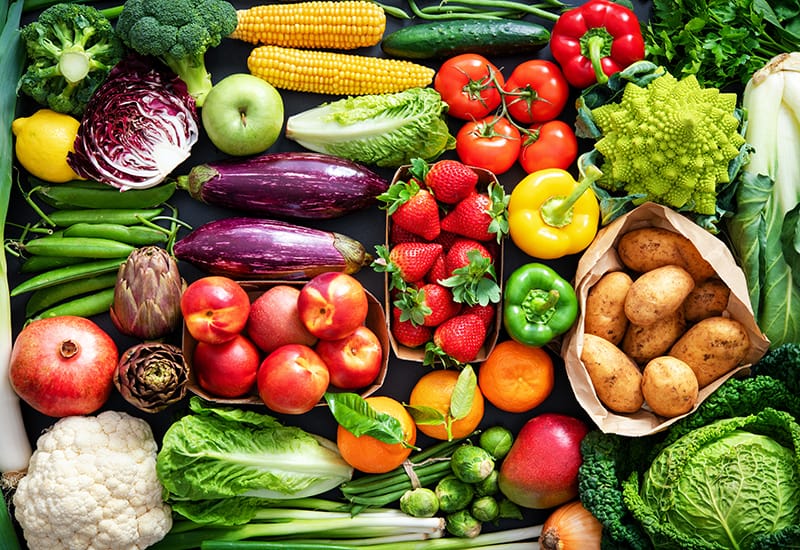
While organic ingredients are often marketed as superior, many chefs argue that conventional produce can be just as flavorful and nutritious at a lower price point.
Specialty Flours
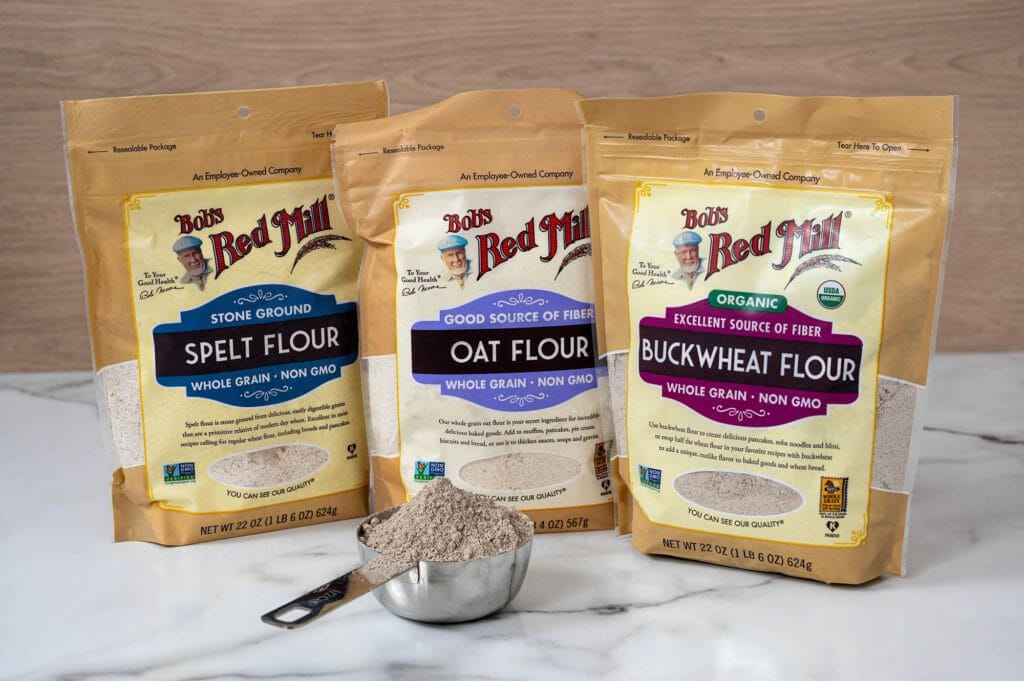
Chefs note that while specialty flours are marketed as healthier or superior, they often yield similar results to regular flour in most recipes.
Fancy Sea Salts
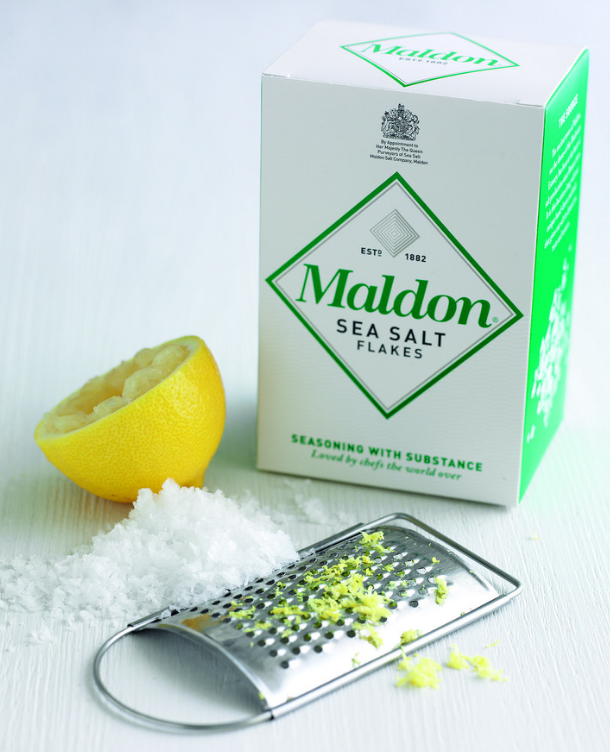
Many gourmet salts come with a high price tag but offer little difference in flavor compared to standard table salt, making them an unnecessary expense.
Truffle Oil
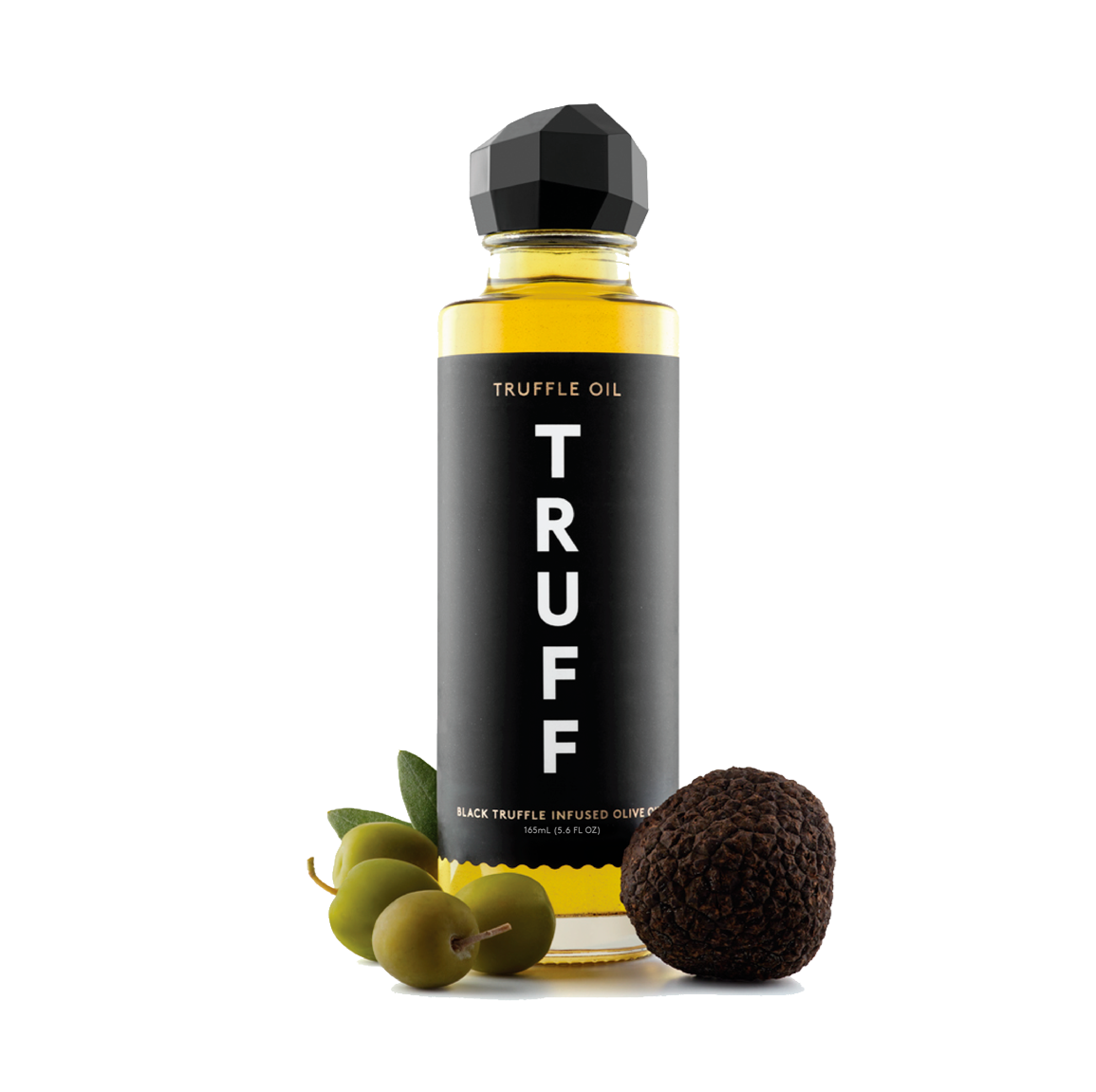
Often synthetic and lacking the authentic flavor of fresh truffles, truffle oil is considered overpriced by many chefs who prefer using real truffles or other flavorful oils instead.
Artisan Cheeses
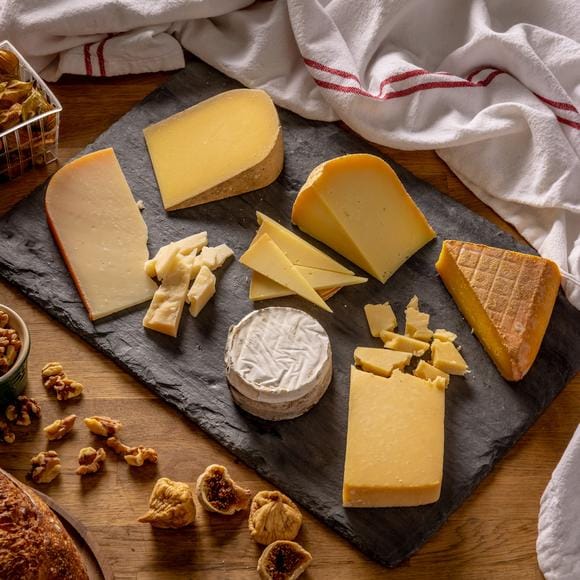
While some artisan cheeses are worth the splurge, many find that mass-produced cheeses can deliver satisfactory results in cooking without the premium price.
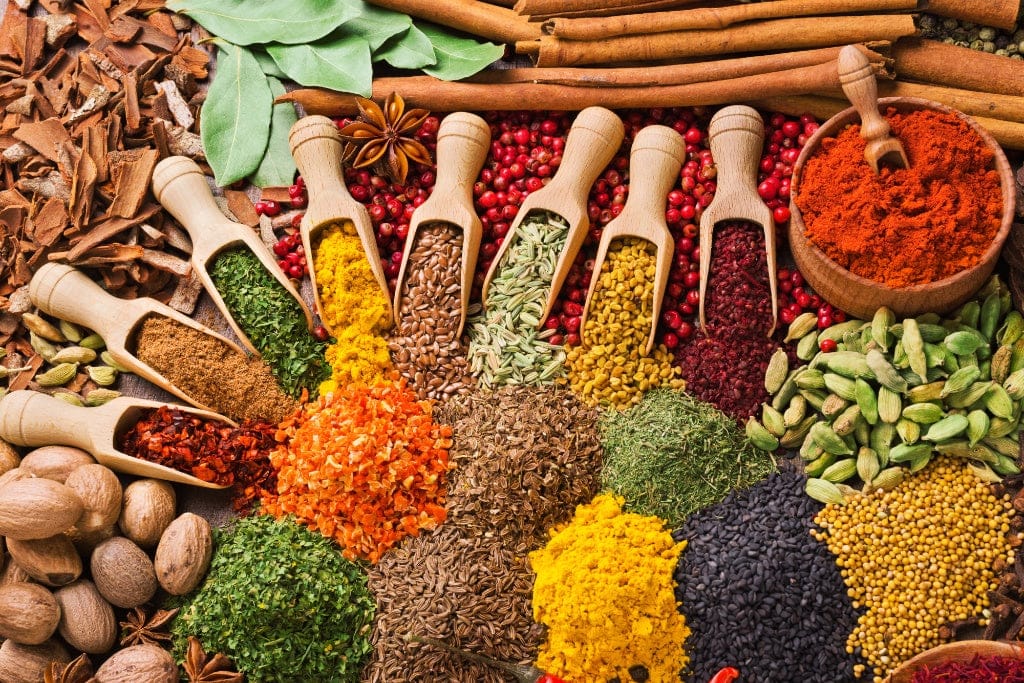
Exotic Spices
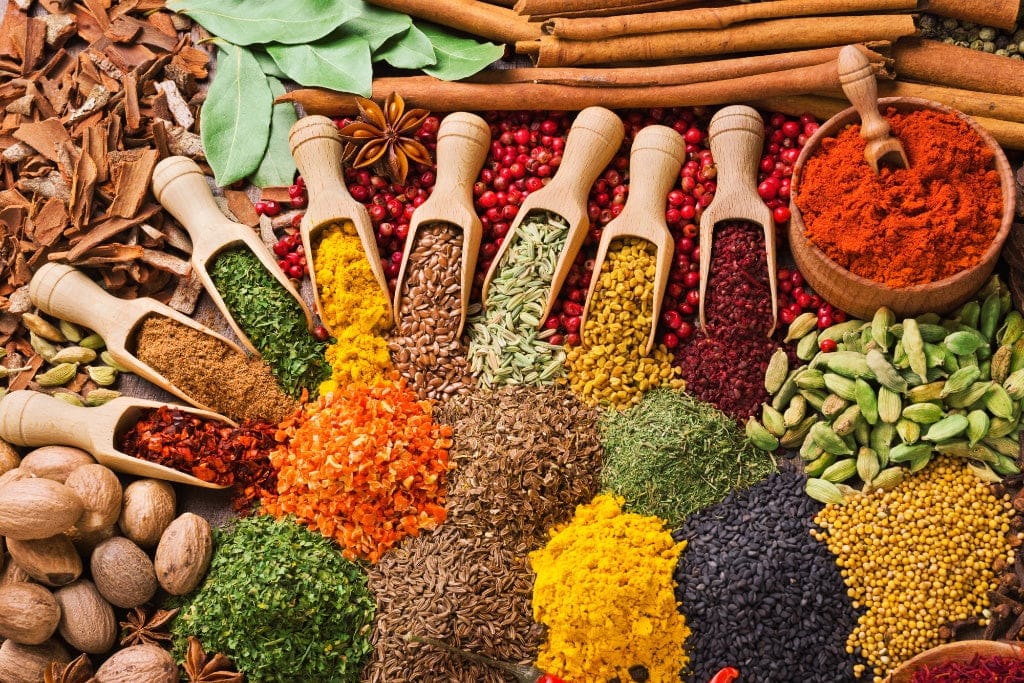
While these spices are trendy, their high cost often doesn’t translate into significant flavor improvements over more common spices available at lower prices.
Pre-Packaged Gourmet Foods
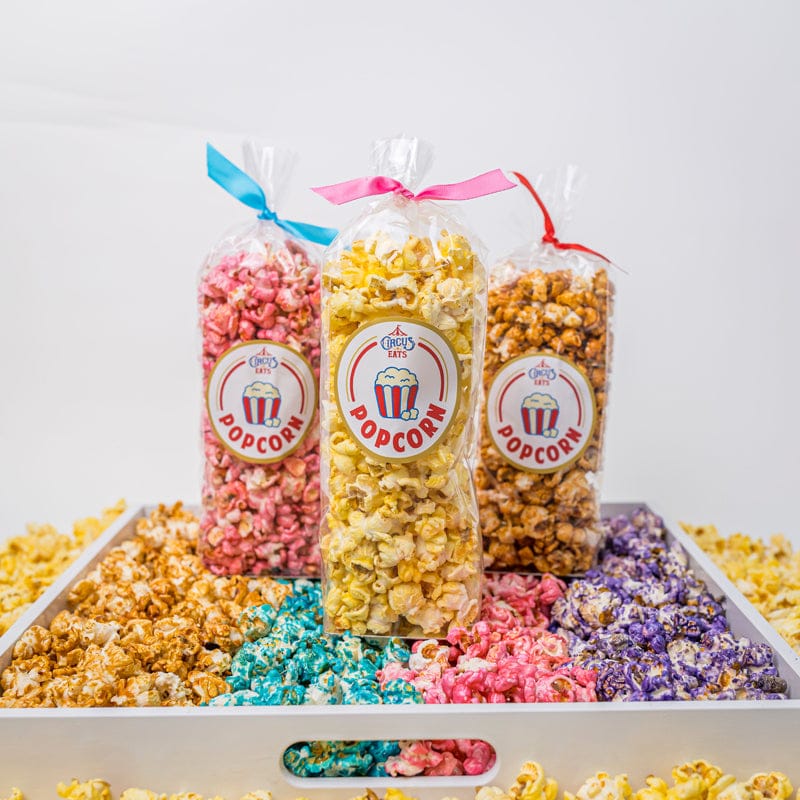
Items like pre-sliced prosciutto or gourmet sauces are convenient but often lack the freshness and quality of homemade versions, making them a poor investment for serious cooks.