10 Sports Habits That Seem Crazy Now

Some of the “tough” stuff athletes used to do wasn’t tough at all—it was reckless, unsanitary, or straight-up illegal now. The wild part is how normal it all felt at the time. Here are 10 sports habits that make modern fans blink twice.
#1 Cigarettes in the locker room


In the 1970s and 1980s, you could find players openly smoking brands like Marlboro and Camel around teams, and even legends like Johan Cruyff were famous for lighting up before quitting later in life. It wasn’t a quirky one-off—smoking was treated like stress relief, appetite control, and “just what guys did.”
The habit looks unbelievable now because training is so data-driven: oxygen saturation, VO2 max, recovery scores—everything smoking hurts. Modern locker rooms chase marginal gains; cigarettes were negative gains with a logo.
What’s craziest is the social permission: nobody acted like it contradicted being elite. Today, one viral photo with a cigarette could cause a PR storm overnight.
#2 Playing football without face masks
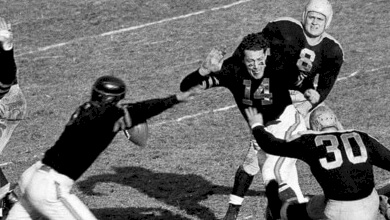

The early NFL and college helmets like the Riddell TK-2 and the MacGregor leather helmet era offered minimal protection, and face masks were either primitive or nonexistent. Players took elbows, fingers, and helmets directly to the face and just… kept going.
Broken noses and lost teeth weren’t “freak injuries”—they were part of the weekly cost of doing business. The idea of choosing visibility and tradition over basic facial protection feels absurd now.
Once modern facemasks and safety standards became normal, it reframed the past: those old highlights aren’t just tough—they’re a safety warning.
#3 Everyone sharing one water bottle


The old-school “team bottle” setup—often a single squeeze bottle like the classic Rubbermaid or Gatorade sideline bottle passed down a bench—was common for decades. Players would take turns drinking from the same nozzle mid-game with zero hesitation.
Today, that reads like a germ transfer speedrun. Between flu outbreaks, mono stories, and modern hygiene standards, the shared bottle feels like a relic from a different planet.
What changed isn’t just awareness—it’s logistics. Individual bottles, labeled caps, and sanitation protocols became cheap compared to losing starters to illness.
#4 Bleeding got waved off as no big deal


In pro wrestling’s territorial days and into the mainstream boom, “blading” with a razor—famously associated with Ric Flair and later seen in ECW—made blood part of the show. And in contact sports broadly, bleeding was often treated like background noise unless it was dramatic.
Now we look at that through the lens of bloodborne pathogens, strict stoppage rules, and medical liability. The idea of casually continuing while actively bleeding would get a match paused instantly.
It wasn’t just about toughness; it was about culture. The modern shift is basically: entertainment and tradition don’t outrank safety.
#5 Trainers handing out pills like candy


The painkiller era wasn’t subtle—medications like Toradol (ketorolac) became infamous in the NFL, while older locker-room “pick-a-pill” stories often included codeine combinations like Tylenol with Codeine. Getting injected or dosed to play through injury was treated as normal strategy.
In hindsight, it’s a habit built for short-term performance and long-term consequences: masking injuries, worsening damage, and creating dependency patterns. Modern teams still manage pain, but the scrutiny, documentation, and oversight are on another level.
The scary part is how casual it sounded: “Take this and you’ll be fine.” Many athletes later described the real cost as years of chronic pain and reduced quality of life.
#6 Boxing matches that went on forever


In 1893, Andy Bowen vs. Jack Burke went 110 rounds—yes, 110—under the bare-knuckle/early gloved rules landscape that allowed absurdly long fights. Even in later eras, 15-round title fights were standard until reforms shifted the norm.
Now we know what repeated head trauma does, and “just let them keep going” feels horrifying. Shorter fights, stricter stoppages, and medical suspensions exist because the body doesn’t get infinite chances.
The old mindset prized endurance as morality: whoever lasted longer deserved it. The modern view prioritizes brain health over proving a point.
#7 Football players using “smelling salts” constantly
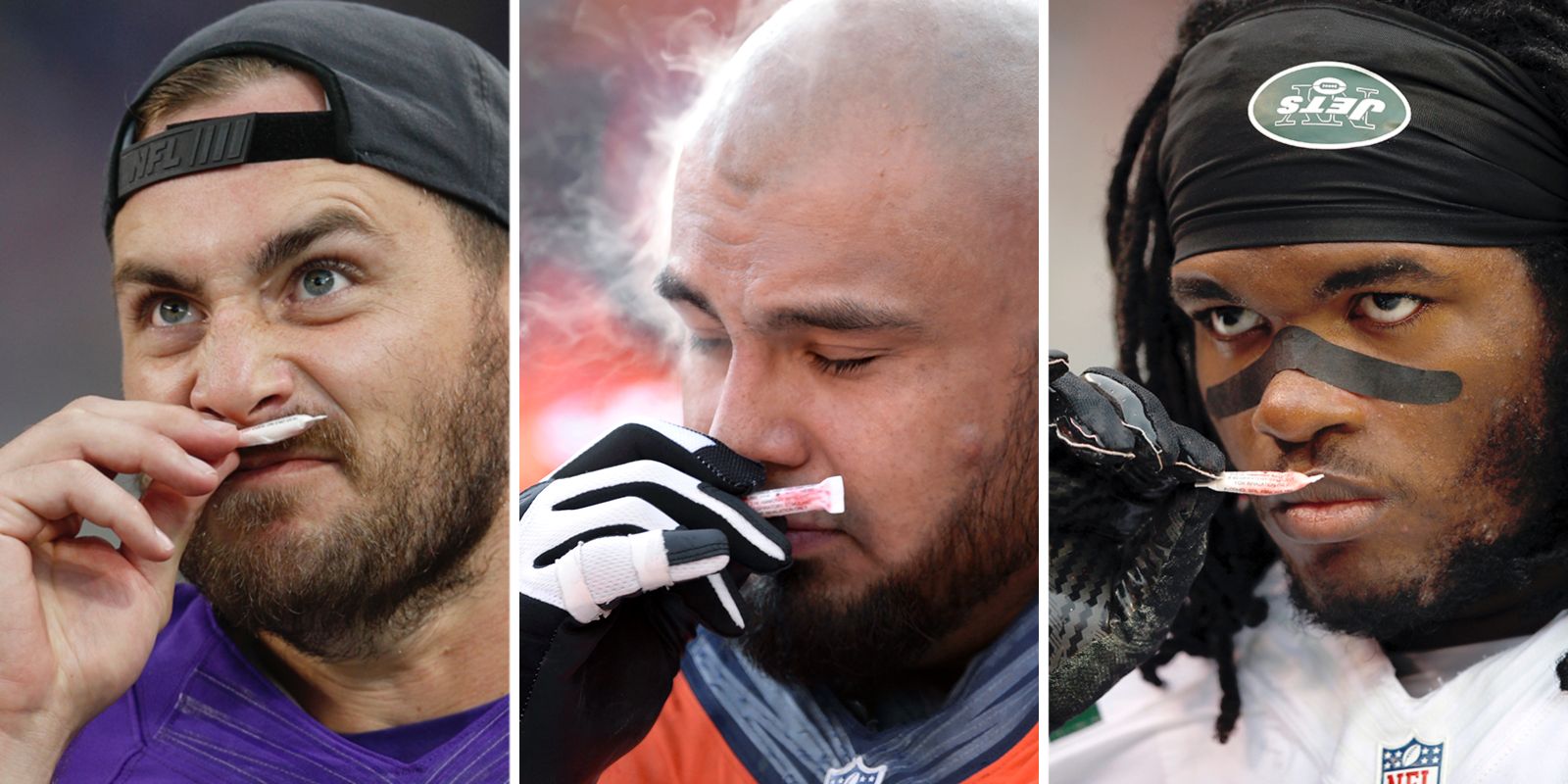

Ammonia inhalants—popularized as “smelling salts” and seen in brands like Nose Tork—became a sideline ritual in hockey and football to get a quick jolt. Guys would pop them before shifts, before big plays, before anything that required hype.
Today it looks like a shortcut that flirts with unnecessary risk: irritation, overuse, and the bigger issue of using stimulation to override fatigue signals. Many leagues and teams now discourage routine use, especially at youth levels.
It’s the perfect example of an old sports habit that felt harmless because it was common. The more we learn about concussion protocols and neurological caution, the less “wake up juice” fits the moment.
#8 Marathoners running with basically no hydration plan


At the 1904 St. Louis Olympic marathon, Thomas Hicks was given a bizarre “fuel” mix that included strychnine and brandy, and hydration was severely restricted. The event looked more like survival theater than sport science.
Modern endurance training is obsessed with electrolytes, fueling schedules, sweat-rate testing, and temperature management. The old approach—minimal water plus questionable stimulants—reads like a dangerous experiment.
It’s not that athletes got weaker; it’s that we stopped confusing suffering with optimal performance. The goal shifted from “endure anything” to “finish fast and live normally afterward.”
#9 Baseball pitchers throwing on two days’ rest nonstop
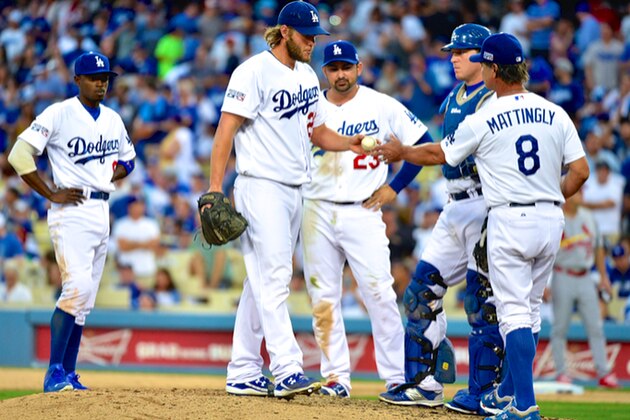

Workhorse usage like Nolan Ryan’s heavy innings totals and early-career patterns—plus the infamous modern extreme of Mark Prior’s early-2000s workload debates—reflect an era when pitching through fatigue was celebrated. Complete games were a badge of honor, not a medical question.
Now, with pitch counts, biomechanical analysis, and UCL injury data, the old habit looks like inviting Tommy John surgery. Teams treat the elbow and shoulder like fragile assets because… they are.
Fans miss the romance of the ironman starter, but the numbers are brutal. The sport learned that “toughing it out” often means “breaking down early.”
#10 No concussion protocol and back in the game
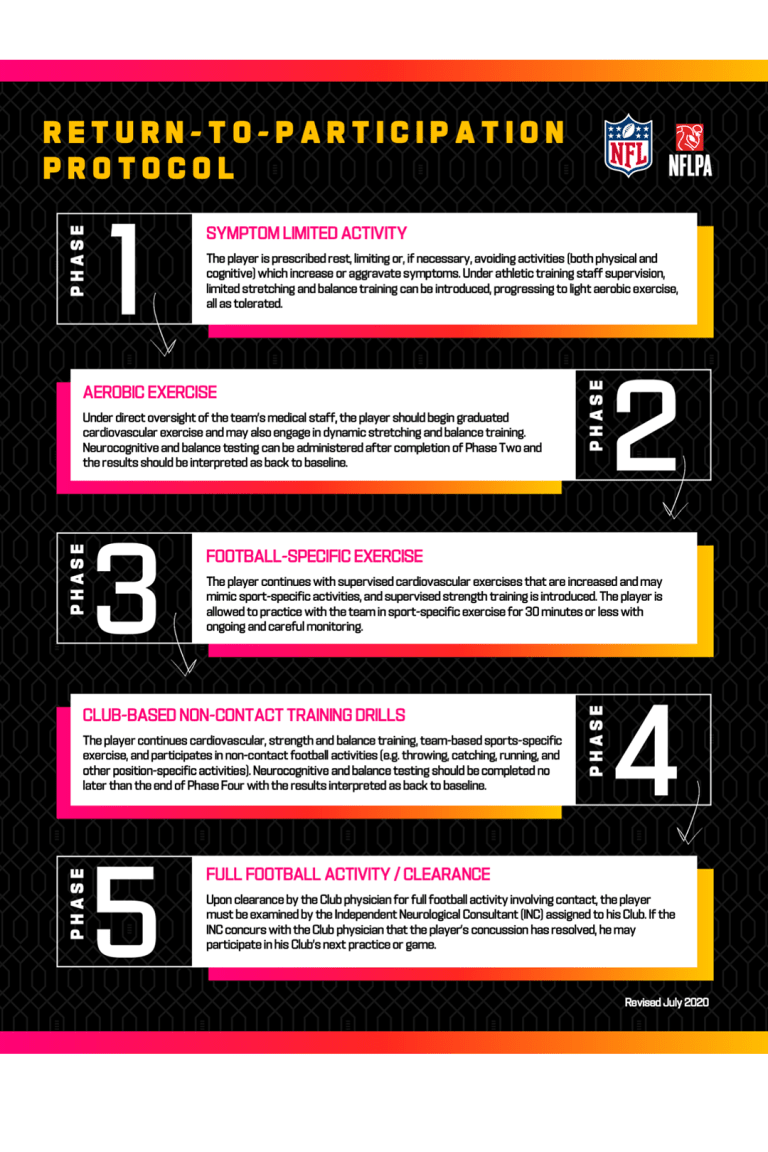

Before modern reforms, players could take a hit, wobble, and return—something painfully visible in old NFL footage and later infamous cases tied to the pre-2010 era, before the league adopted stronger standards. The shift accelerated after growing awareness from research and the public conversation around CTE, including the work highlighted by Dr. Bennet Omalu.
Today, concussion protocol is a whole system: spotters, independent evaluations, return-to-play steps, and mandatory downtime. The old habit—“shake it off”—now reads like playing roulette with someone’s future.
This one doesn’t just seem crazy now; it changes how we rewatch the past. Some highlight reels look less like greatness and more like warnings we ignored.