10 Min. Easy Egg Fried Rice (only 6 Ingredients!)

This is the kind of recipe that turns leftover rice from “sad fridge orphan” into “holy grail of weeknight dinners” in exactly ten minutes.
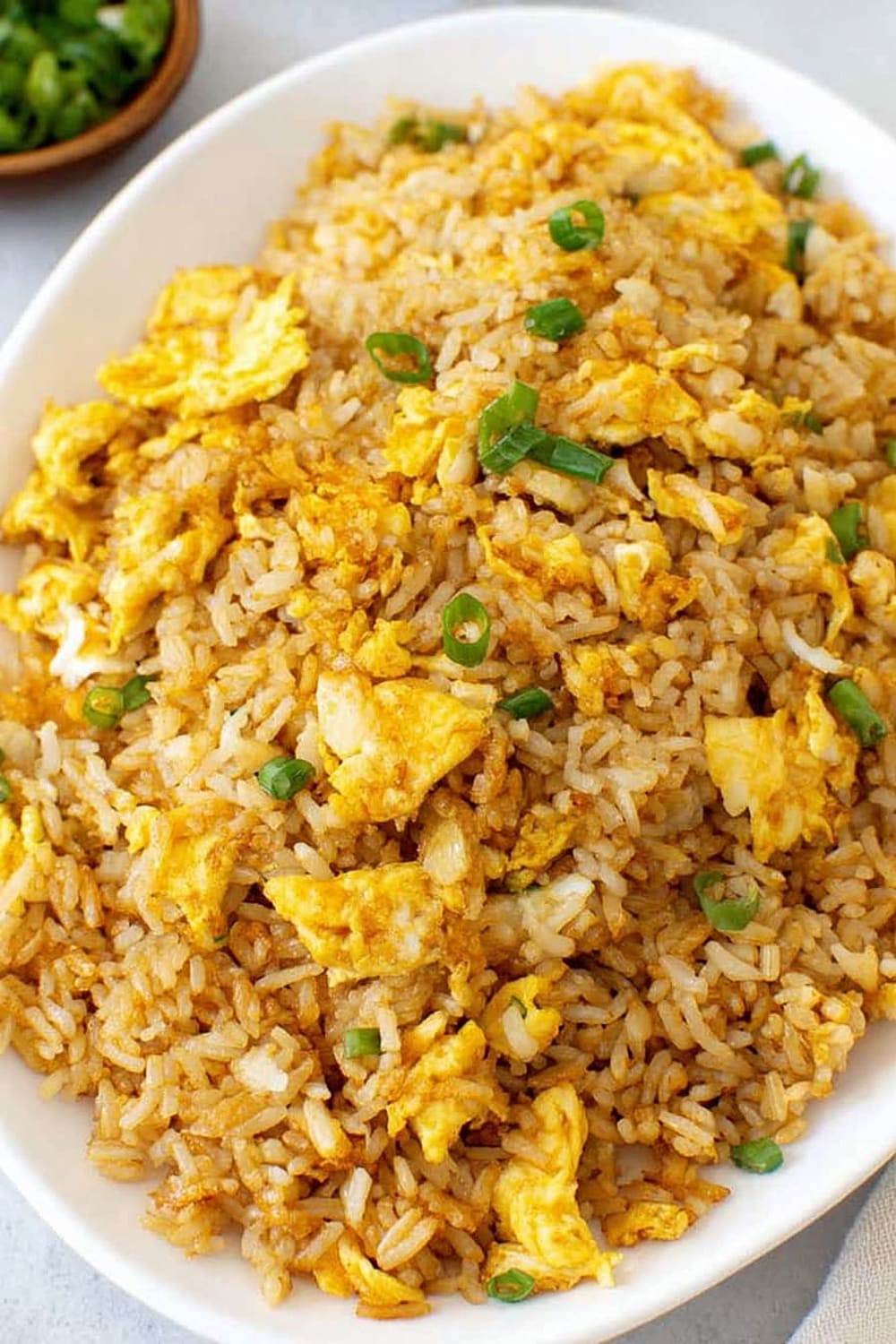
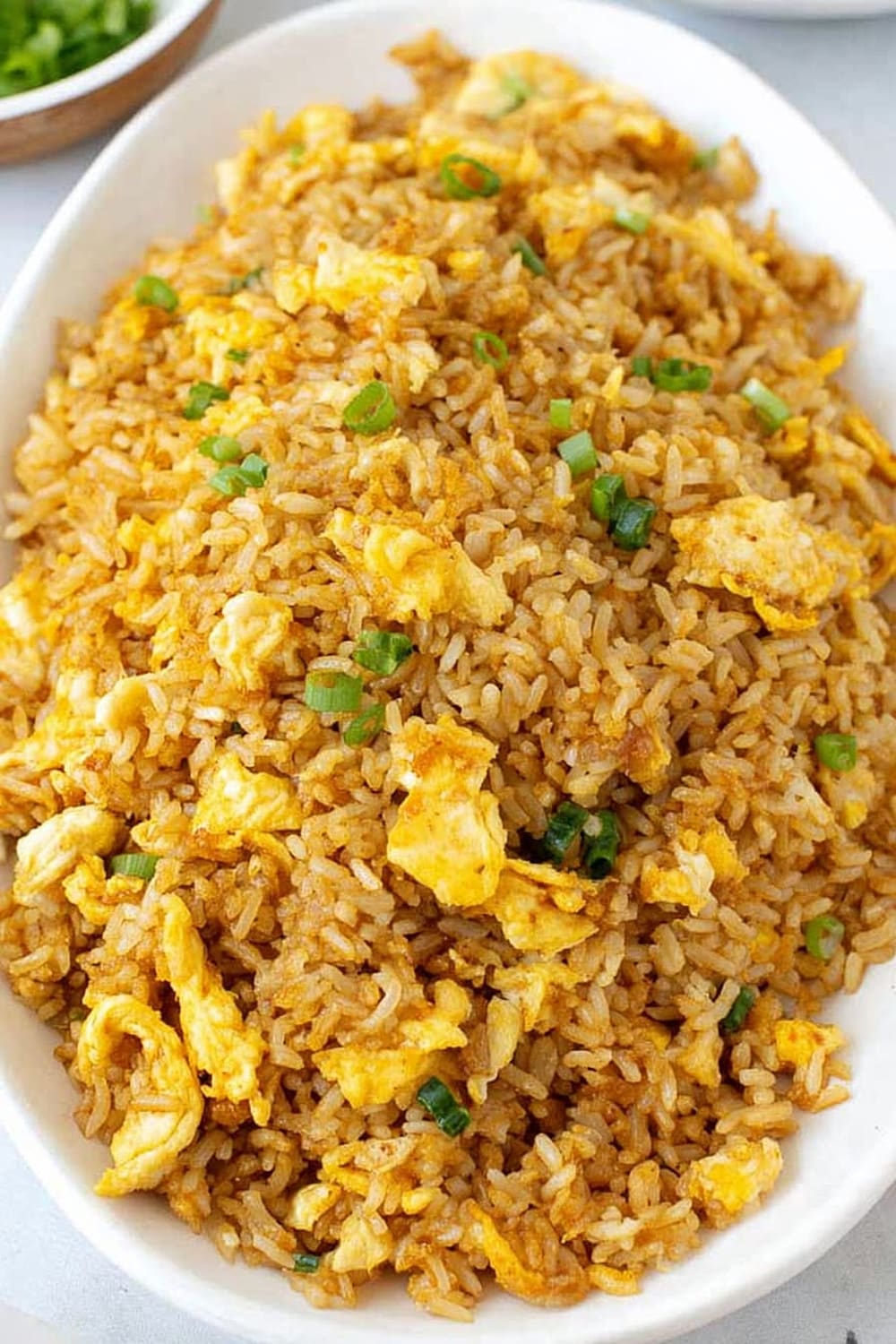
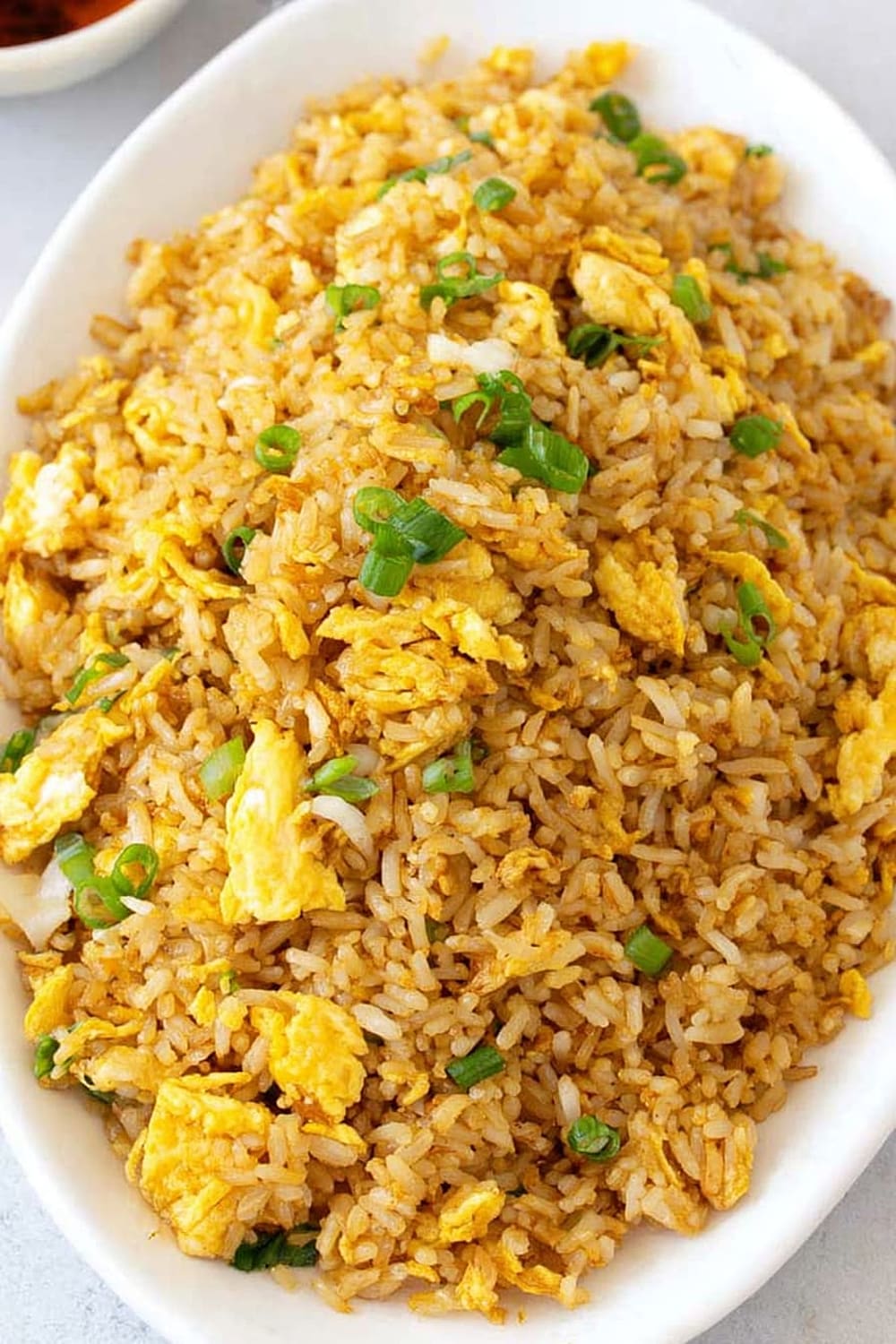
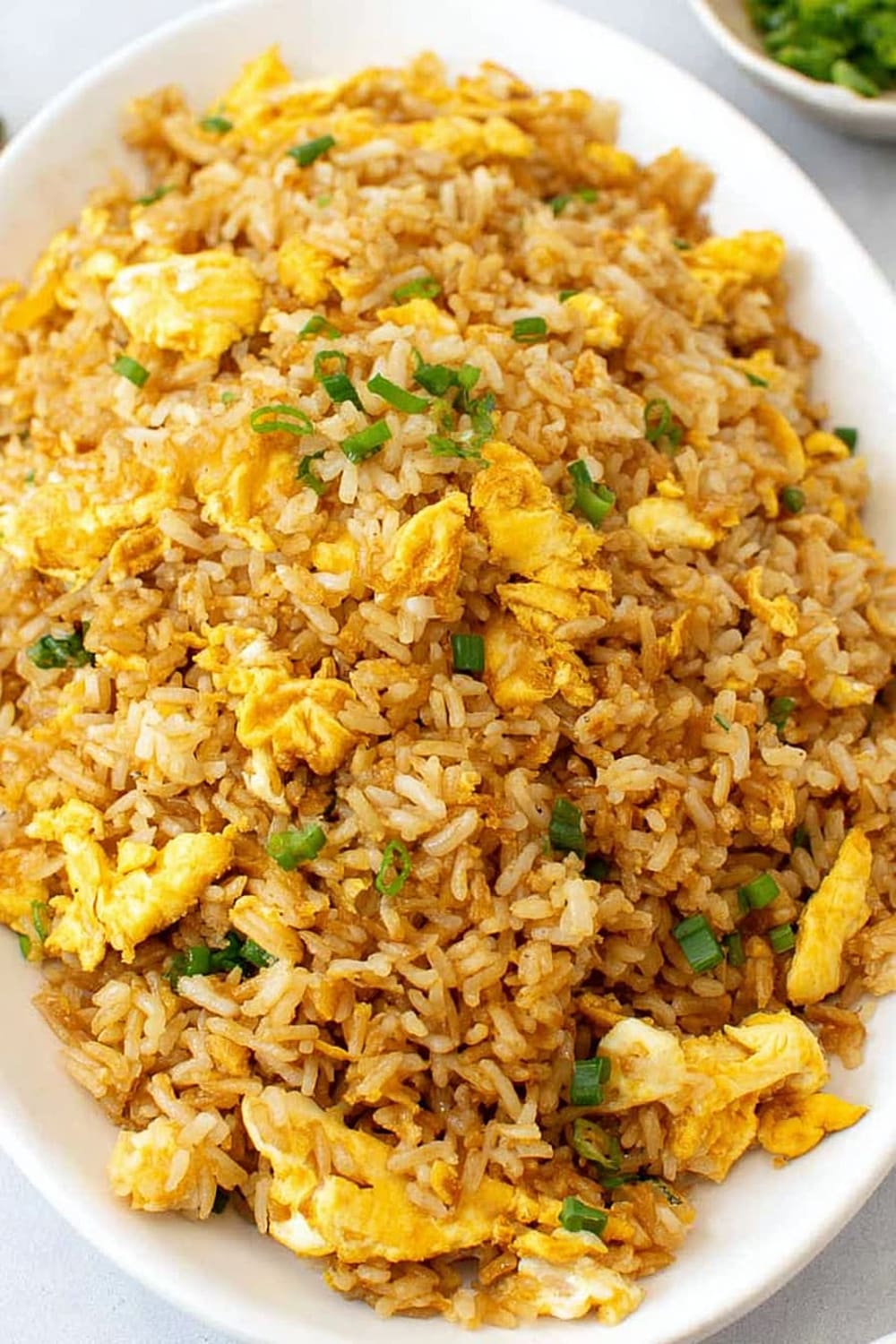
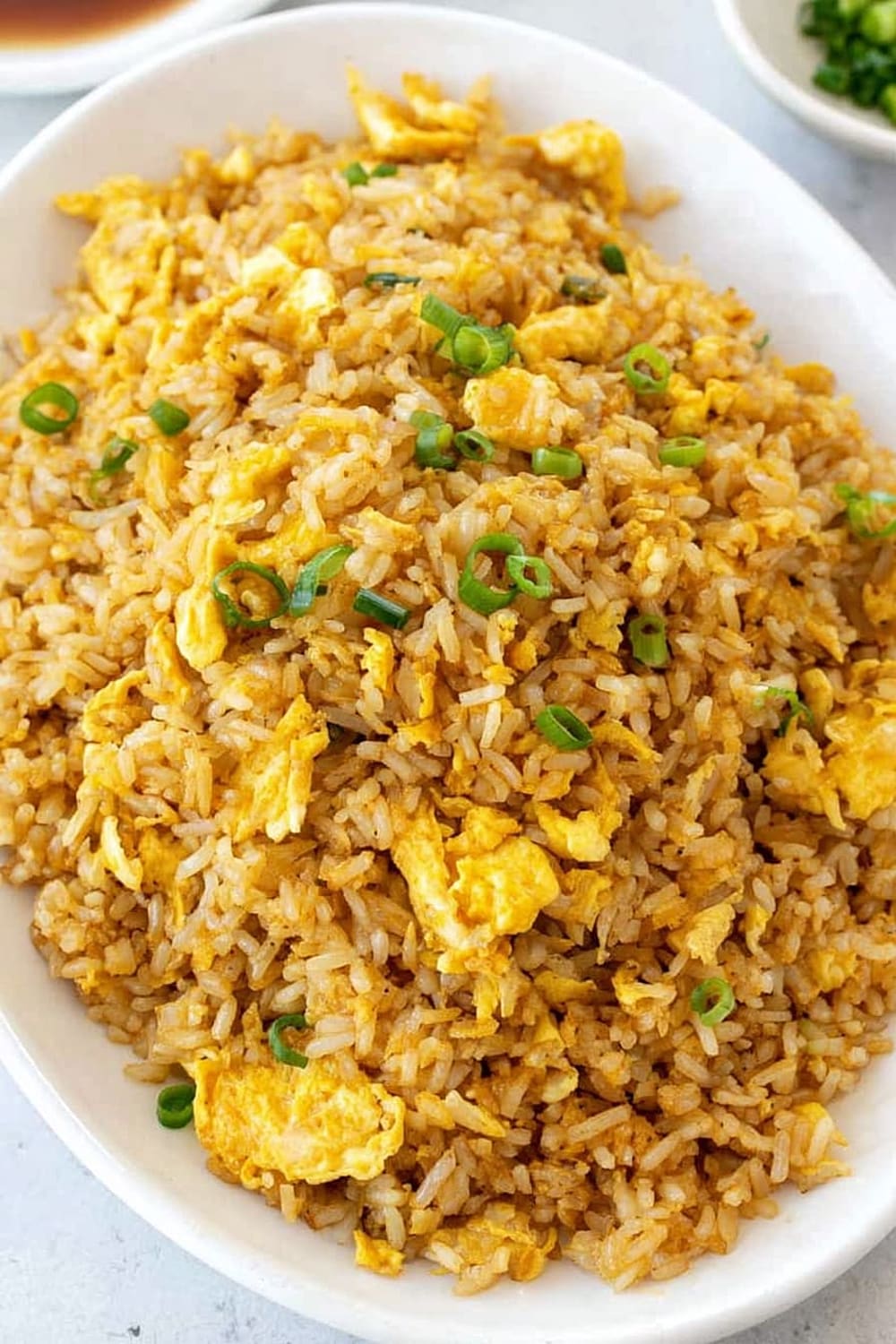
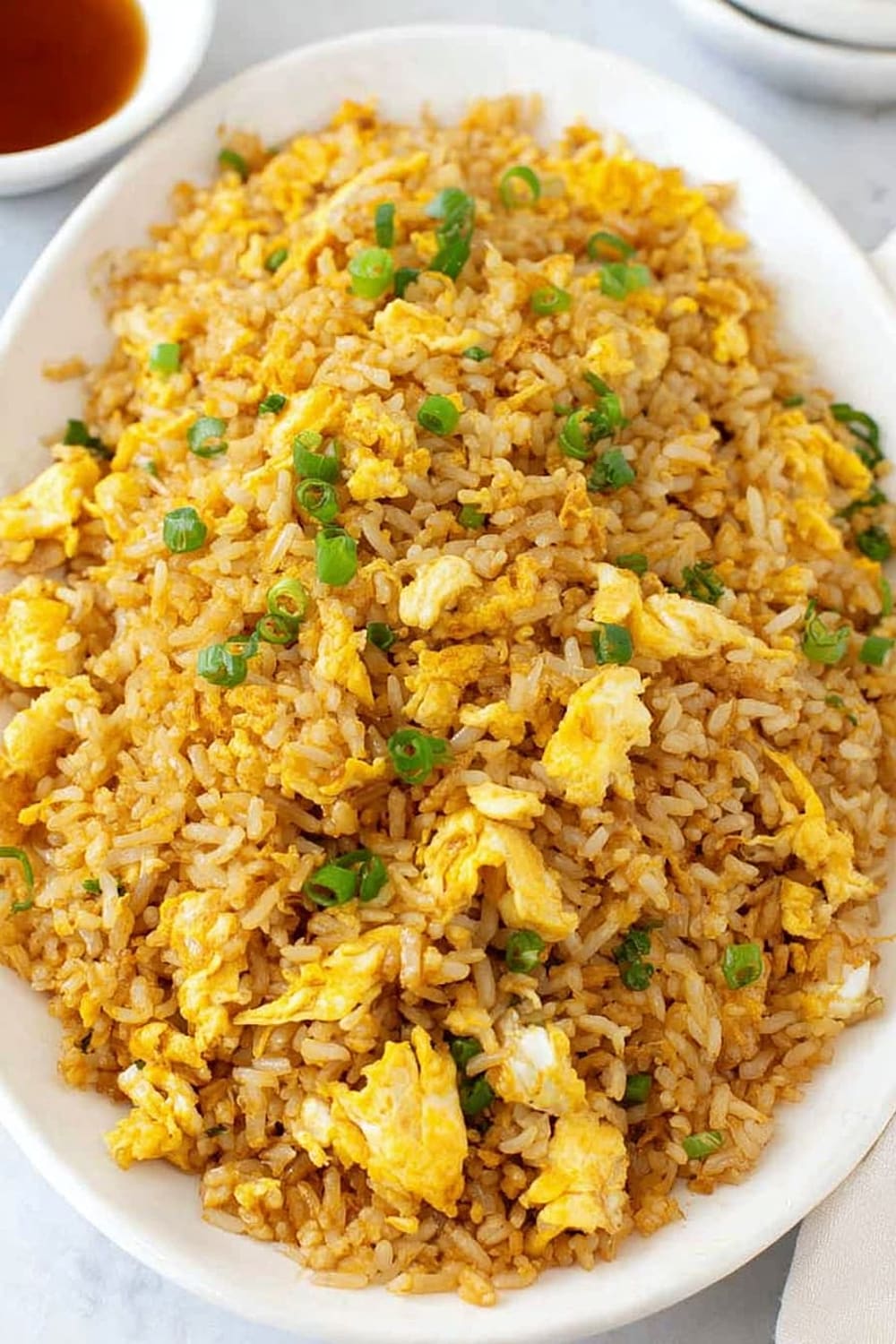
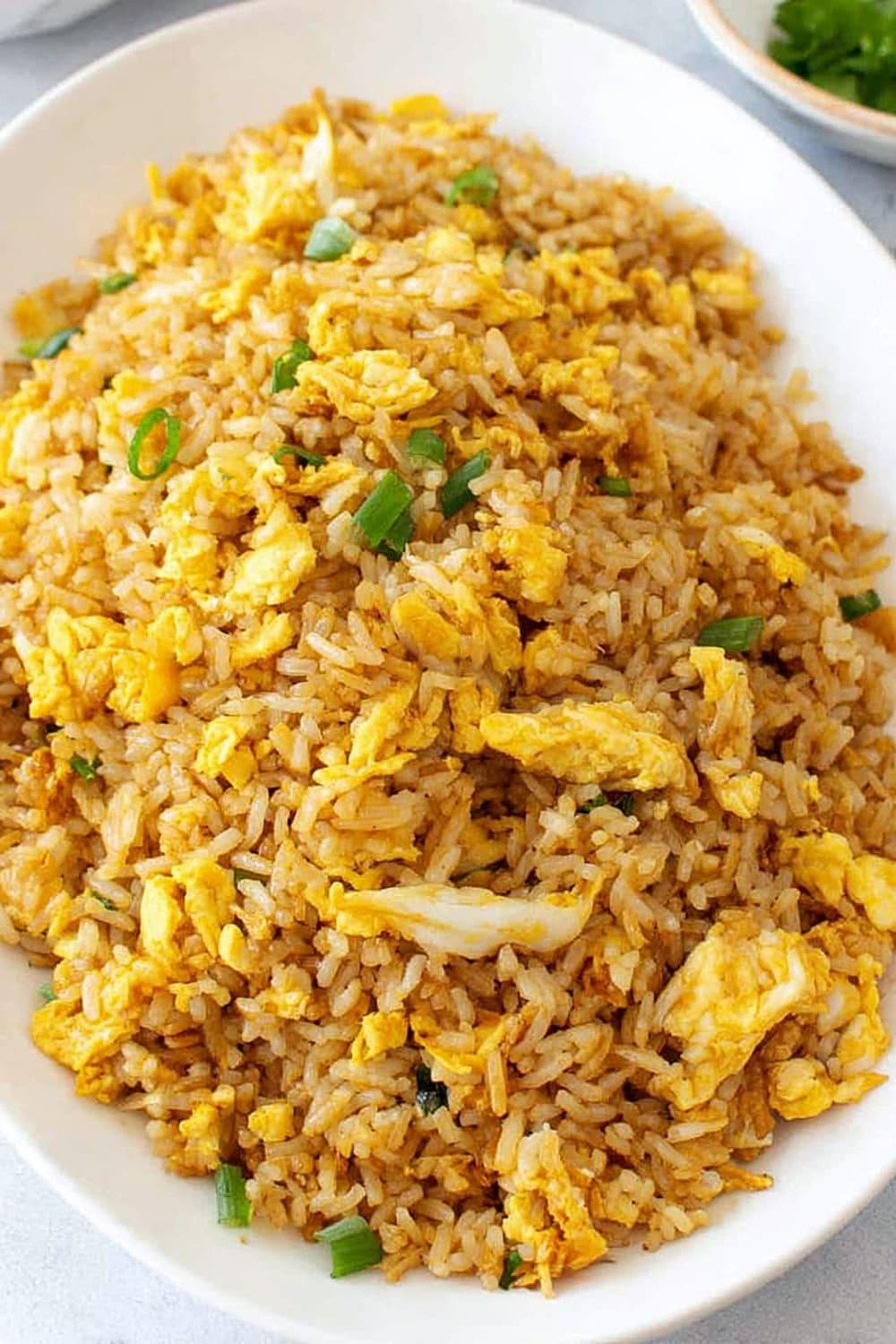
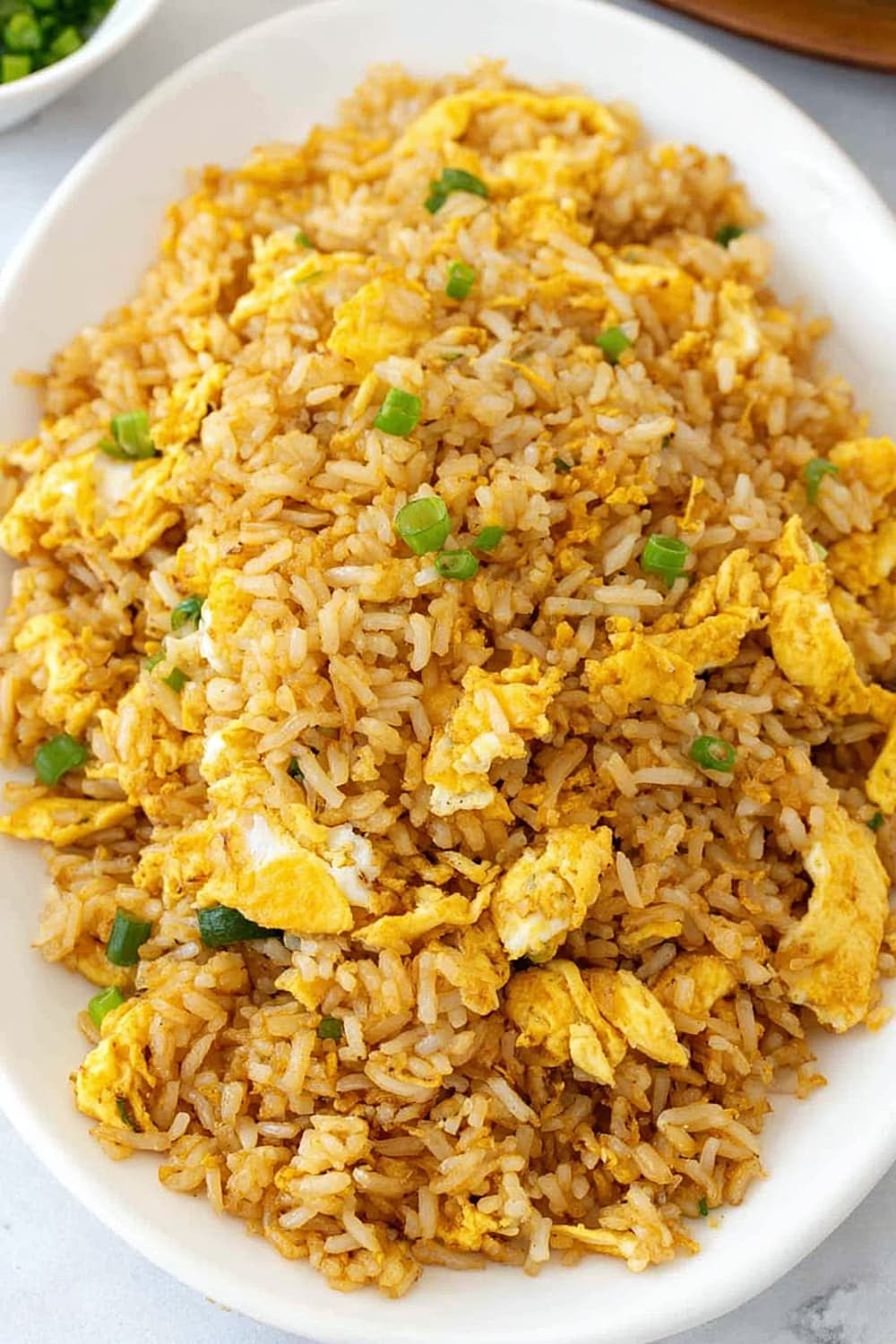
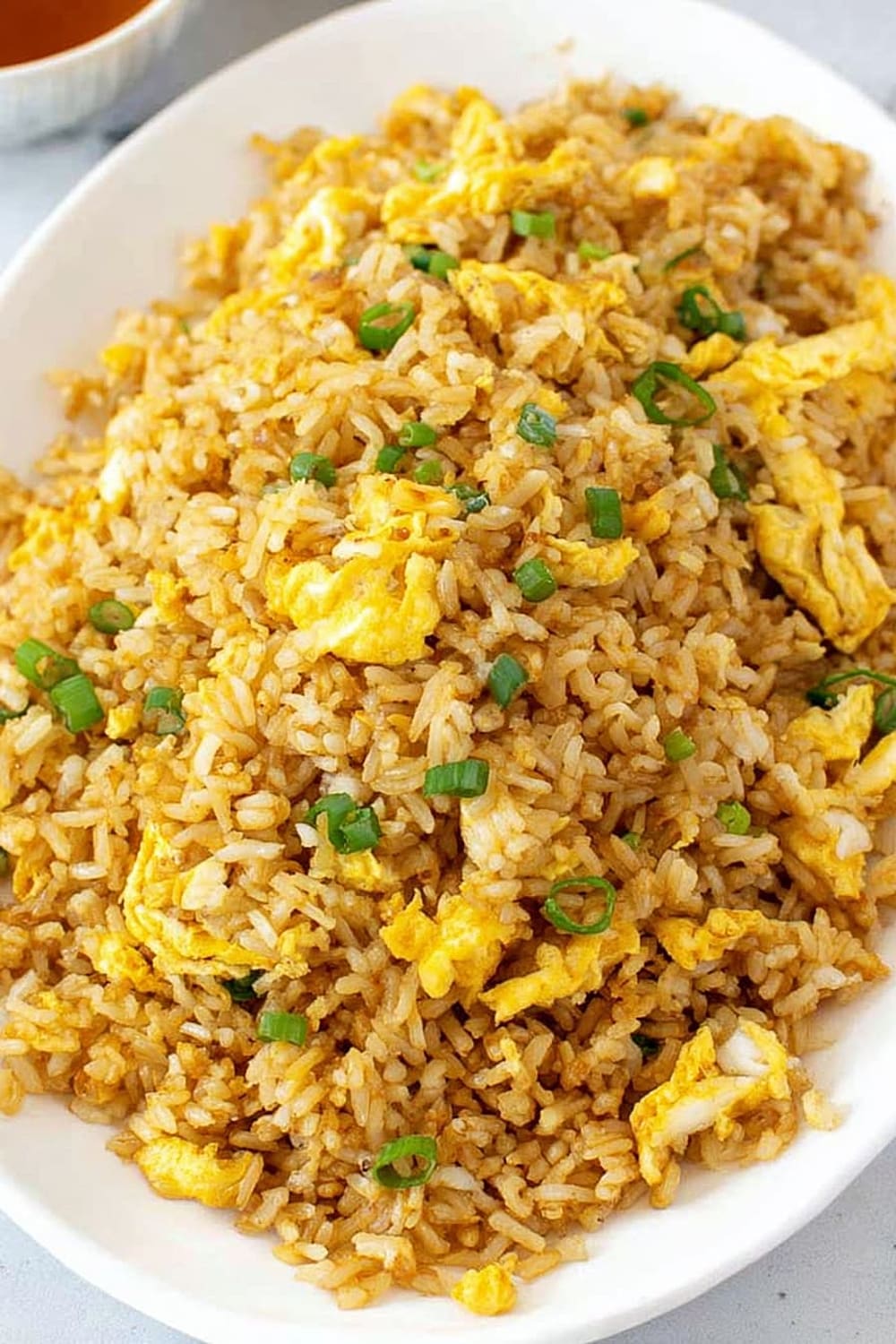
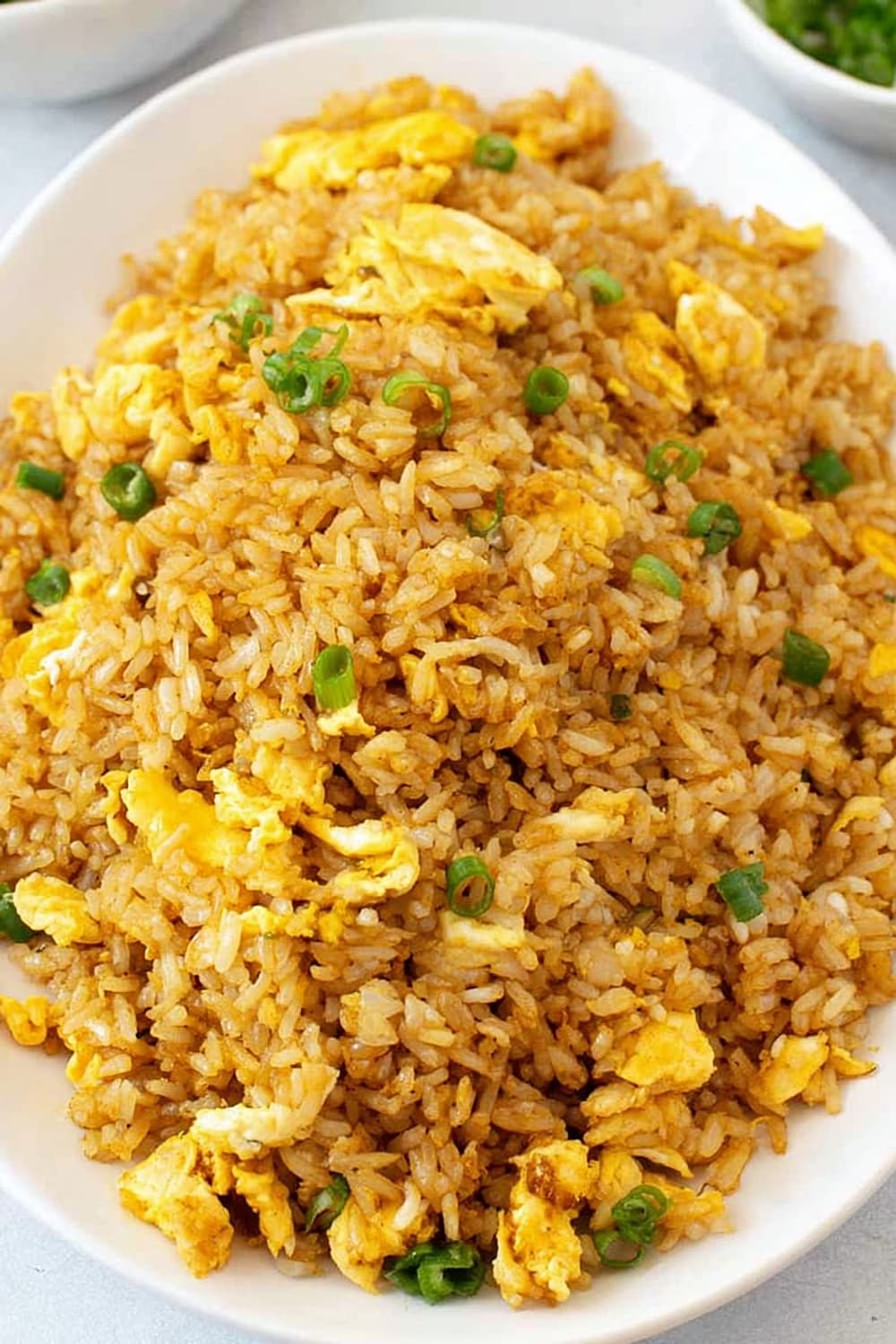
Picture this: fluffy scrambled eggs dancing with perfectly separated grains of rice, each one glossy with sesame oil and kissed with that golden-brown soy sauce magic that makes your kitchen smell like your favorite Chinese restaurant.
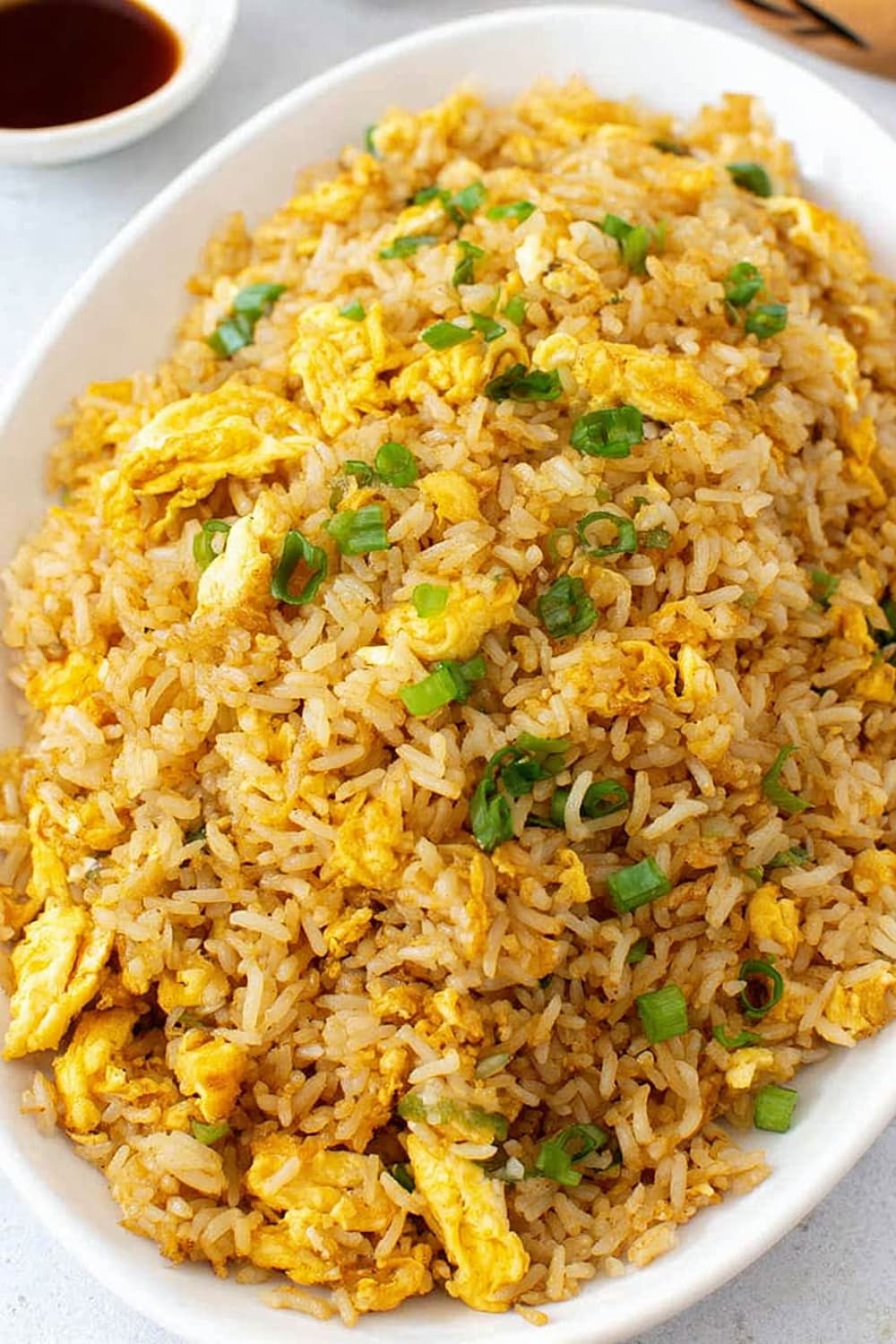
Six ingredients is all it takes to create something so satisfying that you’ll actually get excited about having leftover rice in your fridge instead of feeling guilty about it.
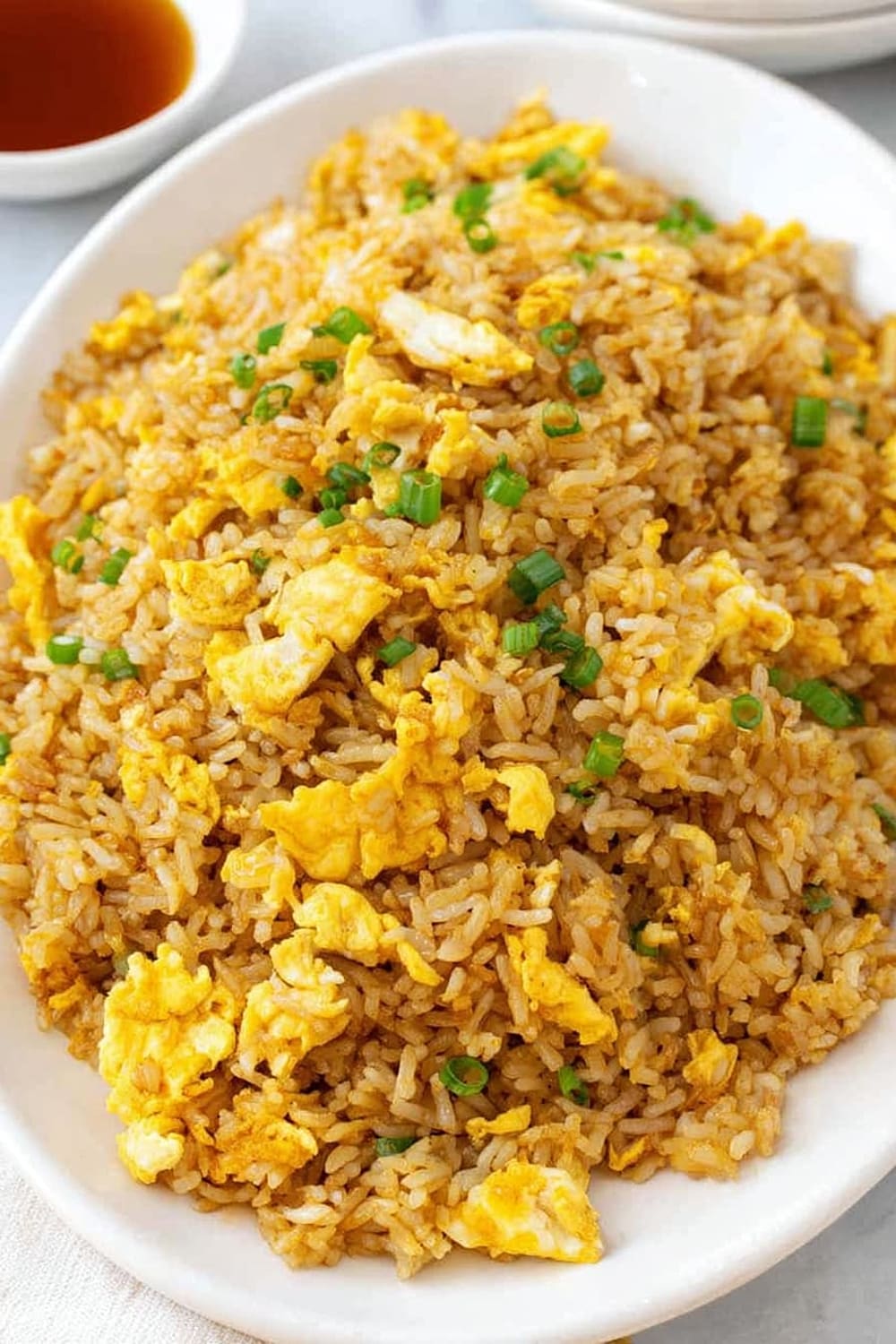
The secret weapon here is day-old rice – it’s drier and firmer than fresh rice, which means it won’t turn into a mushy mess when it hits that hot pan.
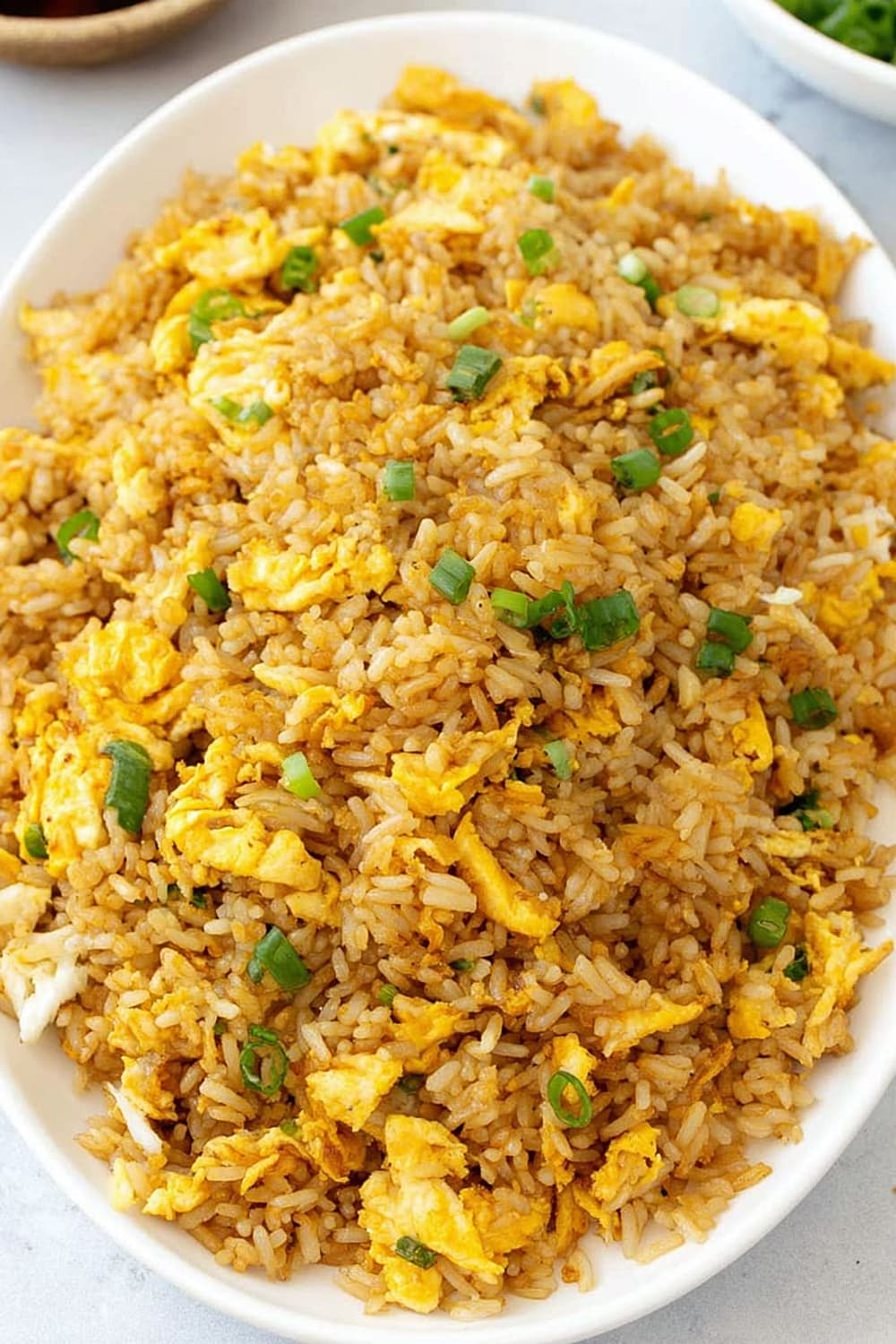
This recipe is basically a masterclass in “how to look like you know what you’re doing in the kitchen” while using ingredients you probably already have lurking in your pantry and fridge.
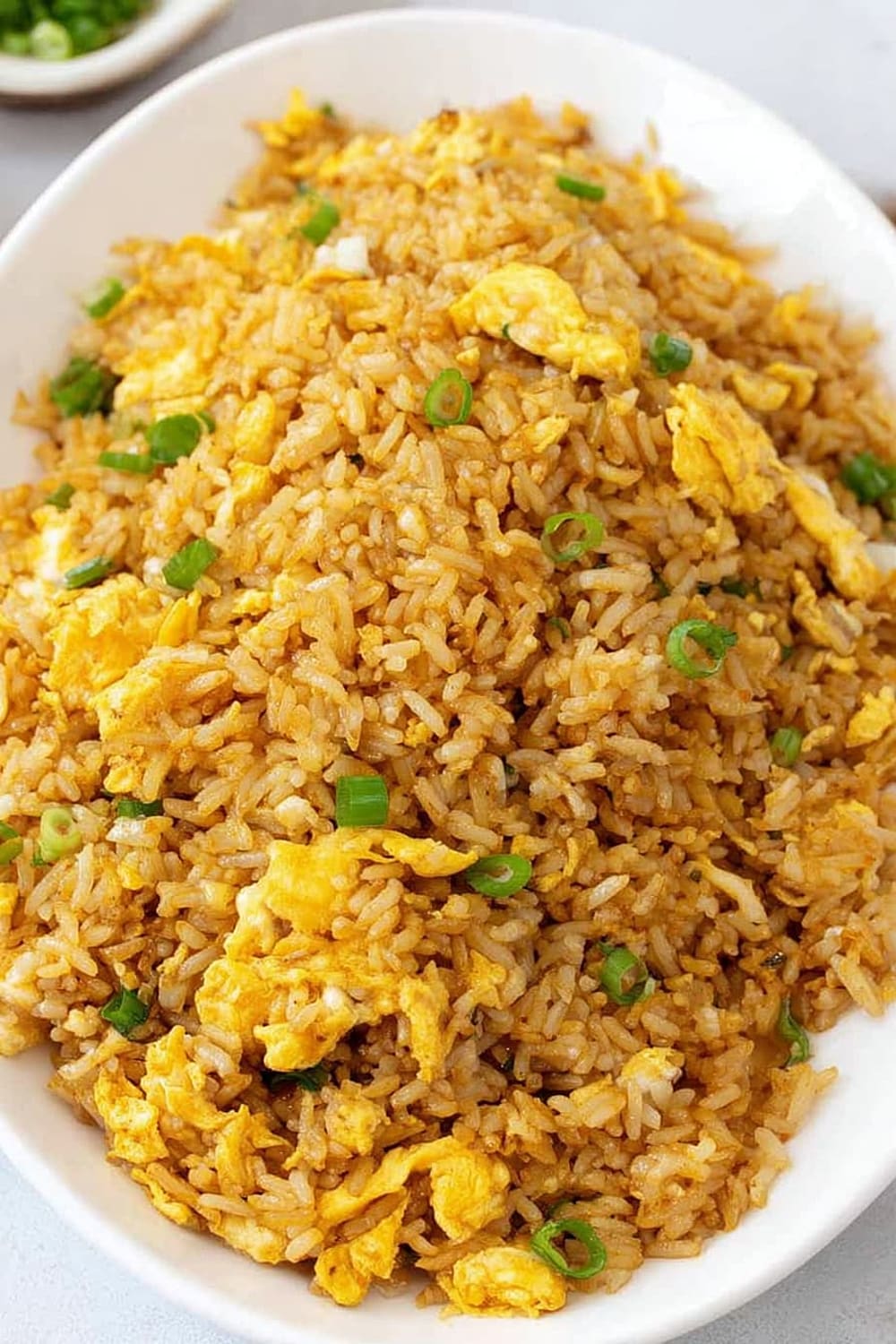
Get ready for that perfect contrast of silky scrambled eggs, toasty rice grains, and the sharp bite of fresh green onions that makes every single bite completely addictive.
Ingredients
For the Base
- 2 cups cooked jasmine rice, cold and day-old (or substitute with any white long grain rice)
- 4 large eggs, beaten until smooth
For the Aromatics and Seasoning
- 1 green onion, finely chopped (both white and green parts)
- 2 .5 tablespoons regular soy sauce or light soy sauce (avoid dark soy sauce for best color)
- ½ tablespoon sesame oil (adds that authentic nutty flavor)
- 2 tablespoons vegetable oil or any neutral oil (divided for cooking)
Instructions
Preparation
- 1 Heat 1 tablespoon vegetable oil in a large non-stick pan or wok over medium-high heat. If you’re using a traditional carbon steel wok, allow the oil to smoke slightly for that authentic “wok hei” flavor. If using a regular non-stick pan, skip the smoking step to protect the coating.
- 2 Pour in the beaten eggs and immediately begin stirring with a spatula or wooden spoon. Move quickly to create small, fluffy curds rather than letting them set into a solid sheet. The eggs should take shape but remain slightly moist and creamy – this takes about 30-45 seconds.
Building the Fried Rice
- 3 Once the eggs are just set but still glossy, quickly add the cold day-old rice. If your rice has clumped together in the refrigerator, use your spatula to break apart the clumps directly in the pan. The contrast between the hot eggs and cold rice will create the perfect texture.
- 4 Sweep the rice and egg mixture to one side of the pan, creating an empty space. Add the remaining 1 tablespoon oil to the empty space, then add the finely chopped green onions. Let them sizzle for 10-15 seconds to release their aroma, then mix everything together.
Final Seasoning
- 5 Pour the soy sauce and sesame oil along the edges of the pan rather than directly onto the rice – this technique helps the seasonings distribute more evenly and prevents soggy spots. Toss everything together using a scooping and folding motion until each grain is coated and the rice takes on a beautiful golden-brown color. This should take 2-3 minutes of active stirring.
- 6 Remove from heat immediately once the rice is evenly colored and heated through. Serve immediately while hot for the best texture and flavor – fried rice is always best enjoyed fresh from the pan!
Recommended Equipment and Kitchen Tools
Recommended Tools (for best results):
- Large non-stick pan or carbon steel wok – A wide cooking surface allows the rice to spread out and get properly heated without steaming. A traditional wok gives you that authentic “wok hei” smoky flavor, but a large non-stick pan works perfectly for home cooking
- Silicone spatula or wooden spoon – These tools won’t scratch your pan and are perfect for the constant stirring and tossing motion that fried rice requires
- Whisk for beating eggs – Properly beaten eggs create those perfect fluffy curds that make restaurant-style fried rice so appealing
Helpful Upgrades:
- Digital kitchen scale – For perfectly portioned rice every time, especially helpful if you’re meal prepping multiple batches
- Fine-mesh strainer – If you need to rinse your rice before cooking, this ensures perfectly separated grains
- Glass storage containers – Perfect for storing your day-old rice and keeping it at the ideal texture for frying
Nice-to-Have Options:
- Microplane grater – If you want to add fresh ginger for extra flavor complexity
- Bench scraper – Makes transferring chopped green onions from cutting board to pan effortless and mess-free
Recipe Variations and Dietary Modifications
Protein Additions:
- Leftover chicken or pork – Add 1 cup diced cooked meat during step 4 with the green onions
- Shrimp or prawns – Stir-fry ½ pound raw shrimp before adding eggs, remove and add back at the end
- Tofu or tempeh – Cube and pan-fry until golden for plant-based protein
Vegetable Enhancements:
- Frozen peas and carrots – Add ½ cup during step 3 with the rice for classic fried rice vegetables
- Bean sprouts – Toss in 1 cup during the final minute for extra crunch
- Mushrooms – Sauté sliced shiitake or button mushrooms before adding eggs
Flavor Variations:
- Garlic fried rice – Add 2 minced garlic cloves with the green onions
- Spicy version – Include 1 teaspoon chili garlic sauce or sriracha with the soy sauce
- Thai-style – Substitute fish sauce for half the soy sauce and add a squeeze of lime juice
International Twists:
- Japanese style – Use mirin instead of sesame oil and add nori flakes
- Korean kimchi fried rice – Add ½ cup chopped kimchi with the rice
Nutritional Information and Health Benefits
Key Nutritional Highlights:
This recipe provides approximately 501 calories per serving, making it a satisfying main dish or hearty side. Each serving delivers about 20 grams of high-quality protein from the eggs, 65 grams of carbohydrates from the jasmine rice for sustained energy, and 18 grams of healthy fats from the cooking oils and sesame oil. The dish is naturally rich in B vitamins, particularly B12 from the eggs, and provides essential amino acids.
Health Benefits of Main Ingredients:
Eggs are nutritional powerhouses, providing complete protein with all nine essential amino acids, plus choline for brain health and lutein for eye health. Jasmine rice offers easily digestible carbohydrates and is naturally gluten-free. Sesame oil contains healthy monounsaturated fats and natural antioxidants called lignans. Green onions provide vitamin K for bone health, vitamin C for immune support, and beneficial sulfur compounds that may help reduce inflammation.
Dietary Considerations:
This recipe is naturally gluten-free when using tamari instead of regular soy sauce, and dairy-free as written. It’s suitable for vegetarian diets and can easily be made vegan by omitting the eggs and adding extra vegetables or tofu. The moderate sodium content comes primarily from the soy sauce, which can be reduced or substituted with low-sodium alternatives if needed.
Smart Swaps and Ingredient Substitutions
Common Substitutions:
- Jasmine rice → Brown rice, cauliflower rice, or quinoa (adjust cooking time accordingly)
- Regular soy sauce → Tamari for gluten-free, coconut aminos for soy-free, or low-sodium soy sauce
- Sesame oil → Toasted sesame oil for stronger flavor, or olive oil for milder taste
- Vegetable oil → Avocado oil, peanut oil, or coconut oil for different flavor profiles
Budget-Friendly Swaps:
- Fresh green onions → Dried chives or regular yellow onion (use ¼ cup minced)
- Sesame oil → Add 1 teaspoon toasted sesame seeds to regular oil for similar nutty flavor
- Premium soy sauce → Standard grocery store soy sauce works perfectly fine
Pantry Emergency Substitutions:
- Day-old rice → Fresh rice cooled completely and spread on a baking sheet for 30 minutes
- Beaten eggs → Scrambled egg substitute or silken tofu for vegan version
- Green onions → Regular onions, shallots, or even garlic for aromatic base
Pro Tips for Substitutions:
- When using brown rice, add an extra tablespoon of oil as it tends to be drier
- If using coconut aminos, reduce the amount by half as it’s sweeter than soy sauce
Make It Diabetes-Friendly
Carb Modifications:
- Replace half the rice with cauliflower rice to reduce carbs from 65g to approximately 35g per serving
- Use shirataki rice as a complete rice substitute for only 5g carbs per serving
- Add extra protein like diced chicken or tofu to help slow glucose absorption
Portion & Timing Tips:
- Serve smaller portions (1 cup instead of 1.5 cups) paired with a large salad or steamed vegetables
- Estimated carbs per full serving: 65g; per half serving: 32g
- Best eaten as part of a balanced meal with lean protein and fiber-rich vegetables
Blood Sugar Management:
- Add healthy fats like avocado slices or nuts to help stabilize blood sugar response
- Include fiber-rich vegetables like broccoli or snap peas to slow carbohydrate absorption
- Consider timing – this works well as a post-workout meal when muscles can better utilize carbohydrates
Enhanced Nutrition:
- Use brown rice for added fiber and slower glucose release
- Add extra eggs for more protein without increasing carbs
Perfect Pairing Suggestions
Beverage Pairings:
Light, crisp beverages complement this savory dish beautifully. Try jasmine tea or oolong tea for an authentic Asian dining experience, or sparkling water with lime for a refreshing contrast. For wine lovers, a dry Riesling or Sauvignon Blanc cuts through the richness of the eggs and sesame oil. Light lagers or wheat beers also pair wonderfully with the savory-sweet flavor profile.
Side Dish Recommendations:
Balance the richness of fried rice with fresh, crunchy elements. Asian cucumber salad with rice vinegar dressing provides cooling contrast, while steamed edamame adds protein and fiber. Stir-fried bok choy or Chinese broccoli brings vibrant color and nutrients to the plate. For heartier appetites, pot stickers or spring rolls create an authentic Chinese takeout experience at home.
Complete Meal Ideas:
Serve this fried rice as the centerpiece of an Asian-inspired feast. Start with miso soup or wonton soup, follow with the fried rice alongside orange chicken or beef and broccoli, and finish with fresh fruit or fortune cookies. For casual dining, pair with grilled teriyaki salmon and steamed vegetables for a balanced, nutritious meal.
Occasion Suggestions:
Perfect for weeknight dinners when you need something quick and satisfying, meal prep Sundays for easy reheatable lunches, or casual entertaining when you want to impress without stress. It’s also ideal for using up leftovers and teaching kids basic cooking skills.
Pro Tips and Troubleshooting
Professional Techniques:
The key to restaurant-quality fried rice is high heat and constant movement. Keep your spatula moving to prevent sticking and ensure even heating. Day-old rice is non-negotiable – fresh rice contains too much moisture and will turn mushy. If you only have fresh rice, spread it on a baking sheet and refrigerate for at least 2 hours before using.
Common Mistakes and Solutions:
Soggy rice happens when the pan isn’t hot enough or you add too much sauce at once. Always heat your pan properly and add liquids around the edges, not directly on the rice. Rubbery eggs result from overcooking – remove the pan from heat while eggs are still slightly wet, as they’ll continue cooking from residual heat.
Storage and Reheating:
Store leftover fried rice in the refrigerator for up to 3 days in airtight containers. Reheat in a skillet with a splash of oil over medium heat, stirring frequently, or microwave in 30-second intervals, stirring between each interval. Freezing works for up to 3 months – thaw overnight in the refrigerator before reheating.
Scaling and Make-Ahead:
This recipe doubles or triples easily – just use a larger pan or cook in batches. For meal prep, cook the rice ahead and store properly chilled. You can prep all ingredients in advance, but cook fresh for best texture and flavor.
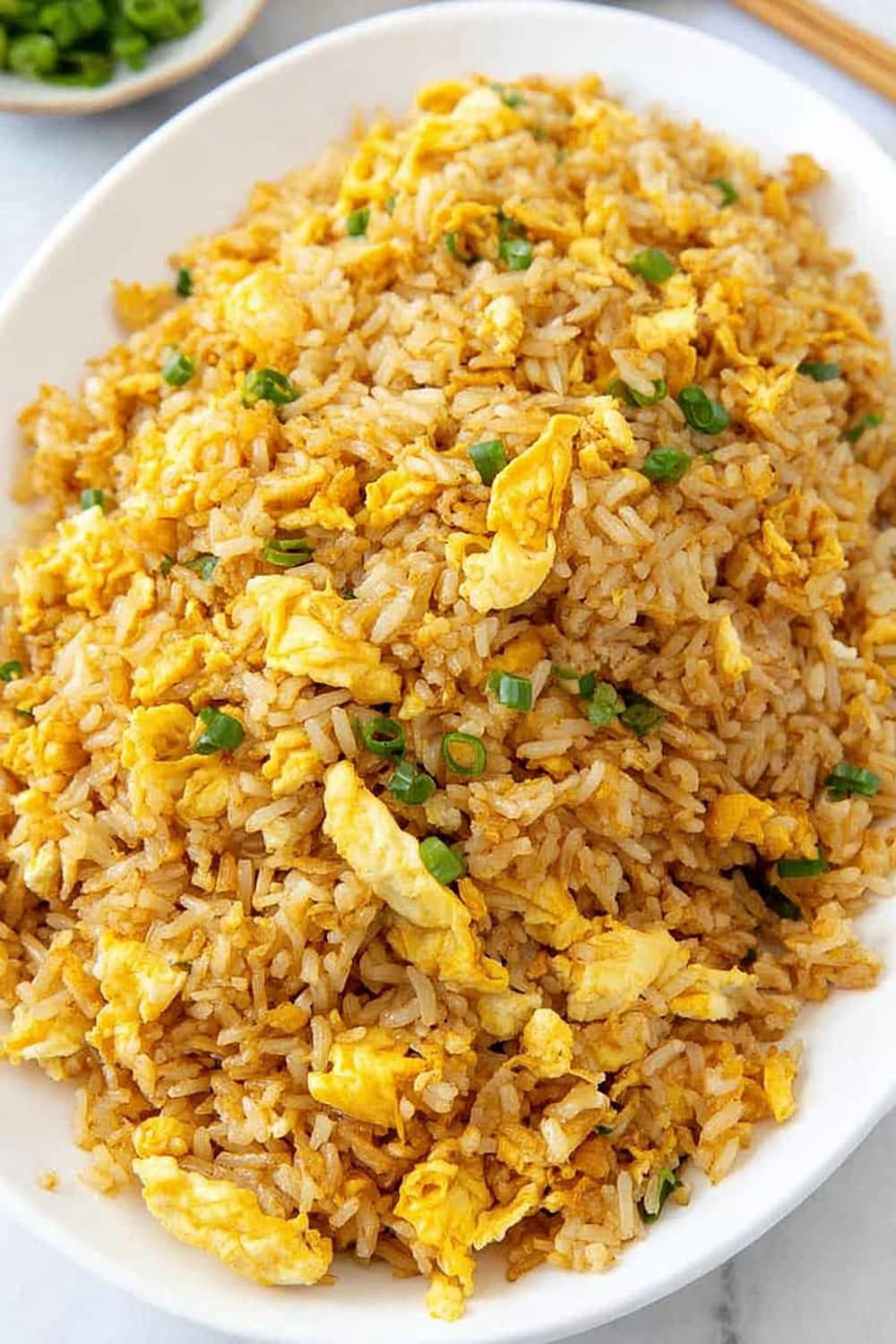
This simple egg fried rice proves that the best comfort food doesn’t need complicated ingredients or techniques – just good timing, proper heat, and day-old rice that’s been patiently waiting for its moment to shine. Master this basic technique, and you’ll never look at leftover rice the same way again.